Human expression appears in many forms. Some expressions are visible on our faces, shaped over time by emotion and movement. Others are chosen intentionally through body art that carries meaning beyond appearance. Still others are felt quietly, in moments when people sense an enduring connection with those they love. Together, these elements reveal how closely appearance, identity, and inner life are connected, forming a continuous story written through both body and spirit.
Smile lines offer a clear example of how emotion leaves a visible imprint. These lines, also known as nasolabial folds, extend from the sides of the nose to the corners of the mouth. For some individuals, they appear early, influenced by genetics and facial structure. For others, they deepen gradually as skin elasticity changes with time. Lifestyle factors such as sun exposure, smoking, and frequent facial movement can make them more pronounced, while fuller cheeks and defined bone structure may highlight them naturally.
Although smile lines are often associated with aging, many people view them differently. They reflect moments of laughter, conversation, and emotional openness. Each line represents countless expressions that shaped a life, turning the face into a record of lived experience. Rather than diminishing appearance, they often add warmth and character.
Dimples, by contrast, come from a distinct anatomical feature. They form when the zygomaticus major muscle, responsible for lifting the corners of the mouth, has a natural split. This variation pulls the skin inward during a smile, creating a small indentation. Dimples are commonly inherited and tend to appear most clearly when someone smiles. Across many cultures, they have long been associated with charm, attractiveness, and positive energy.
Though smile lines and dimples develop through different processes, they share an important quality. Both remind us that features often described as flaws are, in reality, expressions of individuality. They tell stories of heritage, personality, and emotion, reflecting how a person moves through the world.
Expression also extends beyond what is naturally present. Body art, such as tongue piercing, has deep cultural and historical roots. Among ancient civilizations like the Aztecs and Mayans, tongue piercings were part of sacred rituals. They symbolized devotion, communication with the divine, and spiritual commitment. These practices carried meaning that went far beyond appearance.
In contemporary culture, tongue piercing has evolved into a form of personal expression. People choose it for many reasons, including marking personal transformation, asserting identity, honoring cultural traditions, or embracing a sense of autonomy. For many, the decision reflects intention rather than trend.
With that choice comes responsibility. Tongue piercings require proper hygiene and care to prevent infection, swelling, or dental concerns. When maintained correctly, they become lasting symbols of self-definition, courage, and personal meaning rather than temporary adornments.
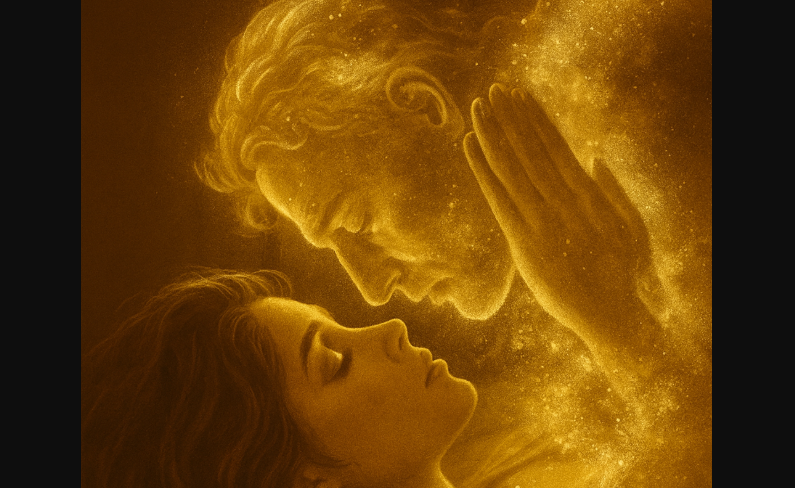
Some expressions of connection are not visible at all. Many people describe experiencing a sense of presence after losing a loved one. These moments may include feeling warmth, noticing a familiar scent, or sensing reassurance during emotionally significant times. Such experiences often occur during anniversaries, moments of difficulty, or periods of quiet reflection.
While interpretations vary, the emotional tone of these experiences is often comforting rather than unsettling. For those who feel them, the experience is less about fear and more about reassurance. It reflects the belief that emotional bonds continue even after physical absence. Trusting one’s intuition plays a key role in how these moments are understood and integrated.
Although these experiences may not provide scientific explanation, they often offer emotional clarity. They can bring peace, strengthen resilience, and support healing by affirming that love and connection extend beyond visible boundaries.
Taken together, smile lines, dimples, body piercings, and felt connections form a broader picture of human expression. The face carries traces of joy and experience. The body reflects choice and identity. The spirit holds memory and connection. Each element contributes to a story shaped by meaning rather than perfection.
These expressions remind us that beauty is found in authenticity. It lives in the marks left by laughter, the decisions that reflect personal values, and the quiet moments that affirm lasting bonds. Through them, human life reveals itself as deeply expressive, layered, and meaningful.