Shingles, medically known as herpes zoster, is a condition that often raises concern when it appears, largely because many people are unfamiliar with why it develops and what triggers it. Even individuals who consider themselves healthy can be caught off guard by its sudden onset. Although it is not always openly discussed, shingles is relatively common, particularly later in life. Gaining a clear understanding of how it begins, what warning signs to watch for, and how it progresses can make a meaningful difference in outcomes and long-term comfort.
Shingles is not a mysterious or newly discovered illness.
It is directly linked to the varicella-zoster virus, the same virus responsible for chickenpox, which many people experience during childhood. After chickenpox resolves, the virus does not leave the body. Instead, it settles quietly within the nervous system, remaining inactive for many years. In some cases, it can stay dormant for decades without causing any noticeable symptoms. Under certain conditions, however, the virus can become active again, leading to shingles.
This reactivation tends to occur when the immune system becomes less effective.
Aging naturally changes immune response, which explains why shingles is more frequently diagnosed in adults over the age of 50. Other contributing factors can include prolonged emotional stress, chronic medical conditions, intense physical strain, or treatments that suppress immune function. Significant life events or periods of exhaustion may also create conditions that allow the virus to resurface. While age is a key risk factor, younger adults can also develop shingles under the right circumstances.
One important aspect of shingles is that it often announces itself before visible symptoms appear.
Early signs are frequently subtle and may be mistaken for unrelated issues. Many people report localized discomfort such as tingling, sensitivity to touch, burning sensations, or deep aching pain in a specific area of the body. These sensations typically follow the path of a nerve and can occur several days before any rash becomes visible. Because the skin may look normal during this stage, it is easy to overlook the significance of these warning signals.
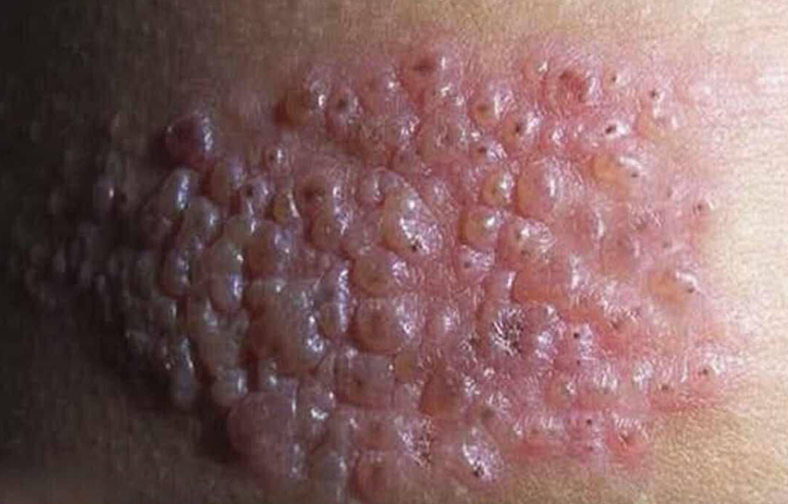
As the condition progresses, a rash usually develops.
This rash commonly appears on one side of the body or face and follows a distinct pattern linked to the affected nerve. Small fluid-filled blisters may form, often accompanied by redness and swelling. Although the appearance of the rash is often what prompts medical attention, healthcare professionals emphasize that pain can be the most challenging symptom. In some cases, discomfort may feel sharp, stabbing, or intensely burning.
With timely medical care, shingles often resolves without severe complications.
Antiviral medications are most effective when started early, ideally within the first few days after symptoms begin. These treatments can shorten the duration of the illness, reduce the intensity of symptoms, and lower the risk of lingering pain. When treatment is delayed, a complication known as postherpetic neuralgia may develop. This condition involves persistent nerve pain that can continue long after the rash has healed.
Postherpetic neuralgia can significantly affect daily life.
Individuals experiencing this complication often describe ongoing discomfort that interferes with sleep, concentration, and routine activities. The sensation may persist for months or longer, creating emotional strain alongside physical pain. This is why healthcare providers stress the importance of recognizing early symptoms and seeking medical advice promptly rather than waiting for visible signs to worsen.
Questions about contagiousness are also common.
Shingles itself does not spread from one person to another in the same way as a cold or flu. However, the virus can be transmitted through direct contact with fluid from the blisters. If a person who has never had chickenpox or vaccination is exposed, they may develop chickenpox rather than shingles. For this reason, caution is advised around infants, pregnant individuals, and those with weakened immune systems during the active phase of the illness.
Prevention has become an increasingly important focus.
Vaccines designed to reduce the risk of shingles and its complications are widely recommended, especially for older adults and people with certain health conditions. These vaccines have been shown to lower the likelihood of developing shingles and to lessen symptom severity if it does occur.
Beyond medical treatment, shingles highlights the importance of overall wellness.
Maintaining immune health through balanced nutrition, adequate rest, stress management, and attention to physical signals supports the body’s natural defenses. Often, the body provides subtle cues before a more serious issue emerges.
In summary, shingles is a well-documented yet often underestimated condition.
Understanding its origins, recognizing early warning signs, and responding quickly can significantly influence recovery and comfort. Staying informed supports prevention, empowers timely care, and helps reduce the risk of prolonged pain or complications.