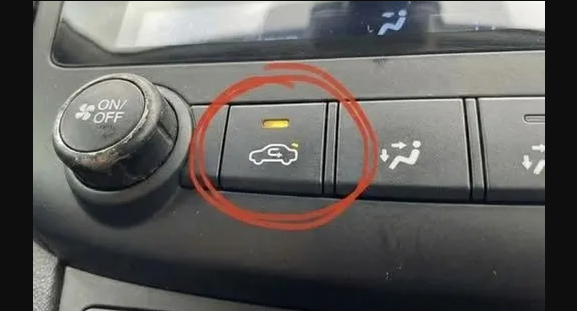
Many drivers notice the dashboard symbol that shows a car with a circular arrow looping inside it, yet the actual function of this button often remains unclear. While it may appear minor, this control manages your vehicle’s air recirculation system, a feature designed to influence how air moves through the cabin. When used properly, it can significantly improve comfort, air quality, and climate control efficiency during everyday driving.
Whether you are traveling during high summer temperatures, waiting in heavy traffic, or driving through dusty or polluted environments, understanding how and when to use this setting can noticeably improve the overall driving experience. This small icon plays a larger role than many people realize, especially in maintaining a comfortable and controlled cabin environment.
When air recirculation is switched off, the vehicle’s ventilation system pulls air from outside the car. This incoming air passes through the cabin air filter, where dust, debris, and certain pollutants are reduced before the air is heated or cooled. Once processed, the air is distributed throughout the interior of the vehicle, providing a steady flow of fresh outdoor air.
When recirculation mode is activated, the system operates differently. A small internal flap closes, preventing outside air from entering the ventilation system. Instead, the air already inside the cabin is drawn back through the system, conditioned again, and redistributed. This creates a closed air loop that allows the climate control system to operate more efficiently in specific situations.
One of the primary benefits of using air recirculation appears during warm weather. Since the system continuously cools air that has already been chilled, the cabin temperature drops more quickly. This reduces the workload placed on the air conditioning system and can help maintain a stable, comfortable interior temperature, especially during short trips or after the car has been parked in the sun.
Air recirculation also becomes valuable when driving behind vehicles that emit strong exhaust fumes. In traffic congestion or tunnels, activating this setting can help limit the amount of polluted air entering the cabin. The same applies when passing through areas with strong odors, construction zones, or unpaved roads where dust levels are high.
Drivers who experience seasonal allergies may also benefit from using recirculation mode. By reducing the intake of outside air, the system can limit exposure to pollen and other airborne irritants. While the cabin air filter plays an important role in trapping particles, reducing outside airflow further supports cleaner cabin air during allergy seasons.
Despite its advantages, air recirculation is not designed for continuous use in every condition. During cold or rainy weather, keeping air trapped inside the cabin can increase humidity levels. Over time, this moisture buildup may cause windows to fog, reducing visibility and creating a potential safety concern.
In situations where windshield fogging occurs, switching back to fresh air intake helps remove moisture from the cabin. Fresh airflow allows humidity to escape while maintaining clearer windows, which is especially important during winter driving or extended periods of rain.
On longer drives, drawing in outside air can also help maintain alertness. Continuous fresh airflow supports stable oxygen levels inside the cabin, which may reduce feelings of fatigue during extended periods behind the wheel. Alternating between recirculation and fresh air can help balance comfort and alertness during long trips.
Proper maintenance is essential for the air recirculation system to function effectively. The cabin air filter should be replaced regularly, typically every 12,000 to 15,000 miles, depending on driving conditions and manufacturer recommendations. A clean filter ensures that both recirculated and fresh air remain free from excessive dust and contaminants.
By understanding how this dashboard button works and using it appropriately, drivers can enhance comfort, protect air quality, and support efficient climate control throughout the year. This simple feature, when used with awareness, contributes to a safer and more pleasant driving experience in a wide range of conditions.