You step into your hotel room after hours of travel.
Your shoulders relax as you set your bag down. Shoes come off. You sit on the edge of the bed, grateful to pause for a moment.
Then your eyes catch it.
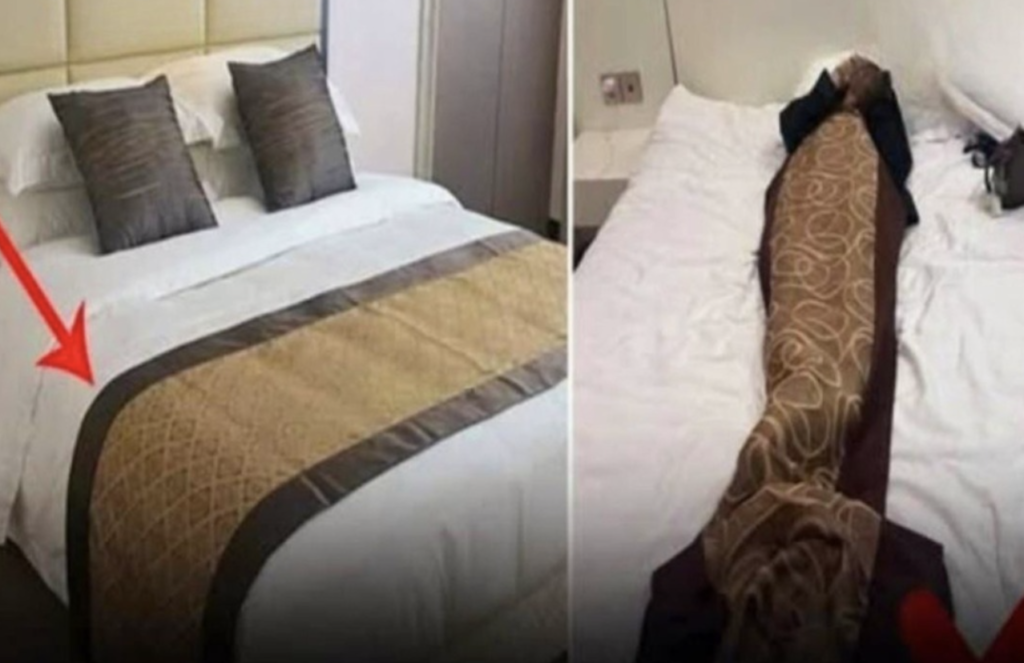
A narrow strip of fabric stretched neatly across the foot of the mattress.
Sometimes it is dark. Sometimes patterned. Sometimes smooth velvet or textured cotton.
You have seen it in countless hotels. Many guests slide it aside without thinking or drape it over a chair before settling in for the night.
Yet that modest piece of fabric, often called a bed runner, bed scarf, or bed sash, plays a far more important role than most people realize.
It exists for practical reasons that quietly improve comfort, cleanliness, and convenience during a hotel stay.
Protecting the Bed Before Sleep Begins
When travelers first enter a room, sleep is rarely the immediate goal.
People sit on the bed wearing clothes from airplanes, taxis, or sidewalks. Shoes may still be on. Jackets, scarves, and bags often land on the mattress. Some guests snack, eat room service, or scroll through their phones with hands that have touched countless surfaces.
The bed runner serves as a protective barrier during this transition period.
Instead of exposing freshly laundered white linens to dirt, crumbs, and oils, the runner absorbs that contact. It keeps the main bedding cleaner for longer periods, reducing wear and the need for frequent replacement.
Housekeeping teams rely on this layer more than guests may realize. When the runner takes the impact of everyday travel habits, the sheets beneath remain in better condition.
It functions much like a welcome mat, offering a designated surface before full rest begins.
A Practical Surface for Food and Drinks
Eating in a hotel room often happens on the bed.
Late-night meals, conference leftovers, desserts, coffee, or snacks all find their way onto the mattress. White sheets, while visually appealing, show stains easily and require intensive laundering.
The bed runner creates a safer zone for food and beverages.
Most runners use darker colors or stain-resistant fabrics designed to handle spills. Crumbs, sauces, and drips are easier to remove from this material than from full bedding sets.
This small detail allows guests to relax while enjoying a meal without worrying about damaging linens or creating unnecessary cleanup issues.
A Place for Personal Belongings
Travel comes with accessories.
Purses, backpacks, laptop cases, coats, and shopping bags often need a temporary home while guests change clothes or unpack.
Placing these items directly on the sheets introduces dust, germs, and residue from outside environments. The runner offers a practical solution by creating a designated surface for belongings.
Using it helps maintain a cleaner sleeping area, especially during colder months or periods of increased illness. This separation supports comfort and hygiene, even though it often goes unnoticed.
Experienced travelers tend to use the runner intentionally, keeping personal items away from where they will rest later.
Discreet Support During Private Moments
One purpose of the bed runner rarely receives public explanation, yet it remains significant.
During intimate moments, the runner acts as a removable protective layer. It helps shield comforters and mattresses from moisture or stains, simplifying housekeeping processes and extending the lifespan of bedding.
Because runners are easier to clean or replace than full comforter sets, they reduce laundry demands and maintenance costs for hotels. This function supports efficiency without drawing attention or discomfort.
The runner quietly supports privacy and practicality at the same time.
Visual Balance and Brand Identity
Beyond its functional role, the bed runner contributes to the room’s appearance.
It adds structure to the bed, introduces color, and reinforces the hotel’s design theme. Without it, the room may feel incomplete or overly plain.
Design teams use runners to bring warmth, elegance, and consistency into the space. The bed becomes a focal point that feels intentional and welcoming rather than unfinished.
How to Use It Wisely
The runner is not meant for sleeping under the covers.
It works best when used deliberately, then set aside before rest. Avoid leaving food on it overnight, and treat it as a functional surface rather than an afterthought.
By understanding its role, guests can enjoy a cleaner, more comfortable stay.
A Quiet Example of Thoughtful Design
That narrow strip of fabric solves everyday challenges without drawing attention to itself.
It manages travel messes, supports convenience, protects bedding, and enhances design.
The next time you enter a hotel room and notice the runner at the foot of the bed, pause before pushing it away.
It is there to help.
Sometimes the most thoughtful details are the ones that work quietly in the background, improving your experience without asking for recognition.