Have you ever shared a photo with someone, only to discover that each of you noticed something completely different right away? Moments like these highlight how unique human perception truly is. Our minds are constantly interpreting the world through personal filters shaped by memory, habit, emotion, and experience. What stands out instantly to one person may remain invisible to another, not because one is more observant, but because perception itself is deeply individual. The brain selects, organizes, and gives meaning to visual information in ways that often happen beneath conscious awareness.
This is why visual illusions continue to captivate people across cultures and generations. They reveal the fascinating space where psychology and perception overlap. When we look at an illusion, the brain reacts immediately, offering an interpretation before logic has time to weigh in. That first impression is guided by attention patterns, intuition, and cognitive preferences. Optical illusions have therefore become popular tools for playful self-reflection. They do not diagnose personality or define character, but they offer gentle insight into how the mind tends to approach information.
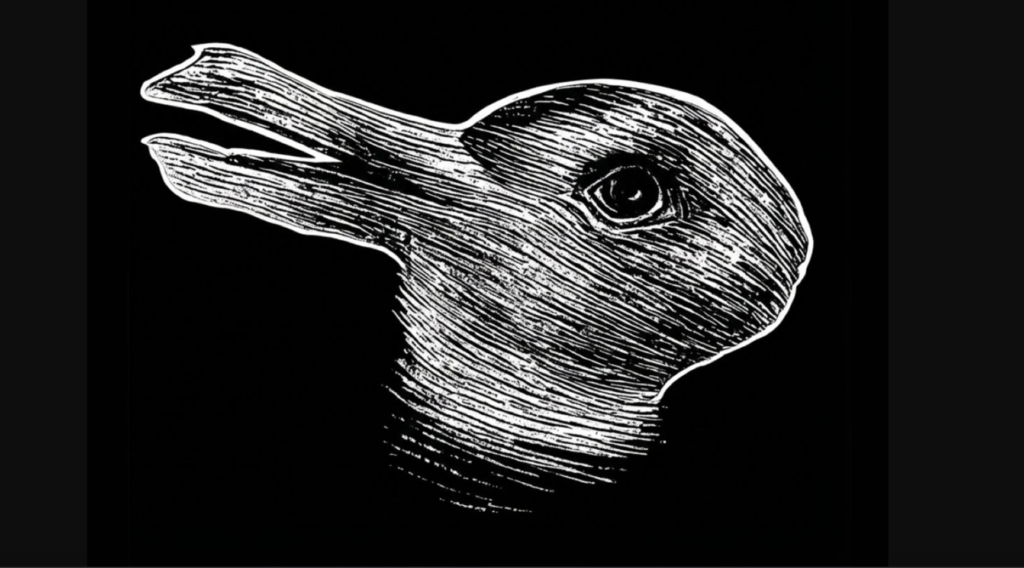
One well-known example is the image that conceals two animals within the same drawing. Some viewers notice one animal immediately, while others are convinced the second appears first. Both interpretations are valid. The image is intentionally designed to support multiple viewpoints. What makes it engaging is how quickly the brain commits to one version, often without deliberate thought. That instant choice can hint at whether a person leans toward structure and detail or prefers imagination and fluid interpretation.
If one animal caught your attention first, it may suggest a tendency toward order, clarity, and practicality. People who process information this way often feel comfortable with logical steps, clear expectations, and present-moment focus. If the other animal appeared first, it may reflect an intuitive and creative orientation, where symbolism, emotion, and possibility play a larger role. Most people move between these styles depending on context. The real value of such images lies in appreciating how many valid ways there are to understand the same scene.
Below are commonly shared interpretations connected to this classic duck–rabbit illusion. These descriptions are reflective rather than scientific, which is why many people find them relatable and engaging.
If You Noticed the Duck First 🦆
Traits often linked to this response include:
A practical and grounded mindset
An ability to remain steady during pressure
Strong observational skills
Comfort with clarity and concrete information
A tendency to focus on the present moment
What this may reflect about you:
You often approach situations directly and value straightforward solutions. You are likely someone others depend on during uncertainty, because you assess what is happening without becoming overwhelmed. You prefer addressing what is real and tangible rather than getting lost in speculation.
If You Noticed the Rabbit First 🐰
Traits commonly associated with this perspective include:
A creative and imaginative outlook
Strong emotional awareness
Curiosity and playfulness
Sensitivity to atmosphere and nuance
An interest in future possibilities
What this may reflect about you:
Your mind is drawn to meaning, symbolism, and interpretation. You tend to notice subtle shifts in mood and context, often sensing things before they are spoken aloud. You enjoy exploring ideas deeply, even when that exploration leads to complexity.
If Both Animals Appeared Almost at the Same Time 🦆🐰
Traits frequently connected with this experience include:
High adaptability
A balance between logic and intuition
Ease with multiple viewpoints
Emotional intelligence
Comfort navigating complexity
What this may reflect about you:
You move fluidly between different ways of thinking. You are able to understand opposing perspectives without feeling threatened by them. This ability often supports strong communication skills and thoughtful problem-solving.
If the Image Kept Switching Between the Two
Traits often associated with this pattern include:
Deep self-reflection
Mental flexibility
A strong interest in how things work
A restless curiosity
A habit of questioning first impressions
What this may reflect about you:
Your mind enjoys exploration more than final answers. You examine ideas from multiple angles and remain open to reinterpretation. While this can sometimes feel mentally busy, it also supports growth, learning, and insight.
The Deeper Message
This image does not define identity. It reflects how your mind engaged with a moment.
The most meaningful realization comes from recognizing that perception is not fixed. You can notice structure one day and symbolism the next. You can be practical in one situation and imaginative in another.
Understanding this flexibility encourages empathy, curiosity, and patience—both with yourself and with others. The real insight is not which animal you saw first, but the awareness that perception is dynamic, personal, and always evolving.
In that sense, the image offers a quiet reminder: you are free to see the duck, the rabbit, or both—depending on where you stand, how you feel, and what you are ready to notice next.