It often begins with a small moment of curiosity. A short clip on social media, a comment in an online forum, or a passing remark from someone you know can suddenly lead to a flood of questions.
In a time when health information travels faster than ever, even the most ordinary topics related to the body can quickly become the focus of widespread interest. As people take a more active role in understanding their health, conditions that were once rarely discussed are now entering everyday conversation.
One topic that frequently sparks this reaction is something many individuals have encountered without realizing it had a specific name: tonsil stones.
At first, the phrase itself can sound alarming. The word “stones” naturally brings to mind discomfort or medical concern, which is why many people react with uncertainty when they first hear it. The reality is far less troubling.
Tonsil stones are common and, in most cases, mild. Many people live with them for years without noticing anything unusual. Others become aware of them only after reading about similar experiences shared online. Because they are not typically covered in routine health checkups or general education, they often feel unfamiliar. This lack of awareness can make a very ordinary condition seem unusual or even worrying at first.
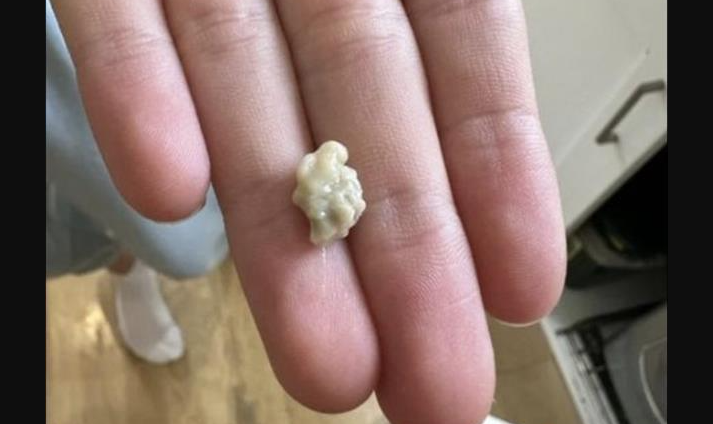
Tonsil stones are known medically as tonsilloliths. They are small, firm formations that develop in the tonsils, often appearing white or pale yellow. Their formation is tied to the natural structure of the tonsils themselves.
Tonsils contain tiny folds and crevices designed to trap bacteria and other particles as part of the immune system’s work. Over time, small bits of food, dead cells, minerals from saliva, and naturally occurring bacteria can collect in these spaces. When this material remains in place, it may gradually harden and form a stone.
Many people never notice tonsil stones because they can remain very small and cause no discomfort. Others may become aware of them through subtle signs.
Common experiences include persistent bad breath, a mild scratchy feeling in the throat, or a sensation that something is present when swallowing. Some individuals notice them only after coughing or gargling, when a small piece dislodges on its own. These moments can be surprising, yet they are usually harmless.
Understanding why tonsil stones form often brings a sense of reassurance. They are not a sign of poor health or neglect. They develop as part of normal bodily processes, especially in people who have deeper tonsil crevices.
Factors such as dry mouth, sinus drainage, or frequent throat irritation can increase the likelihood of buildup. None of these factors automatically signal a serious problem. They reflect how individual bodies function differently.
Managing tonsil stones often involves simple, everyday habits. Good oral hygiene plays an important role. Regular brushing, including the tongue, helps reduce the amount of bacteria in the mouth. Staying well hydrated supports saliva production, which naturally cleanses the oral cavity. Gargling with warm salt water can help loosen debris and soothe the throat. Many people find that these steps significantly reduce how often tonsil stones appear.
In many cases, tonsil stones dislodge on their own without any intervention. Gentle coughing, swallowing, or rinsing the mouth can be enough. Some individuals choose to remove them carefully using recommended methods, though professional guidance is always encouraged for those who feel uncertain. Medical treatment is rarely needed unless stones are large, persistent, or associated with repeated discomfort. Even then, healthcare providers typically focus on conservative solutions first.
Learning about tonsil stones often transforms initial concern into calm understanding. What once seemed strange becomes another example of how the body manages itself quietly and efficiently. The experience highlights an important truth about health: not every unfamiliar symptom points to danger. Many bodily processes simply go unnoticed until attention is drawn to them.
This growing awareness also reflects a positive shift in how people approach their well-being. Asking questions, seeking information, and sharing experiences help normalize topics that were once considered awkward or rarely discussed. Tonsil stones are one such example. They serve as a reminder that the human body has many normal variations and habits that do not always make their way into everyday conversation.
Ultimately, being informed brings confidence. When people understand what tonsil stones are and why they form, fear gives way to clarity. Knowledge allows individuals to respond thoughtfully rather than react with worry. In that sense, discovering information about tonsil stones is less about uncovering a problem and more about gaining insight into the small, ordinary details that make the body work the way it does.