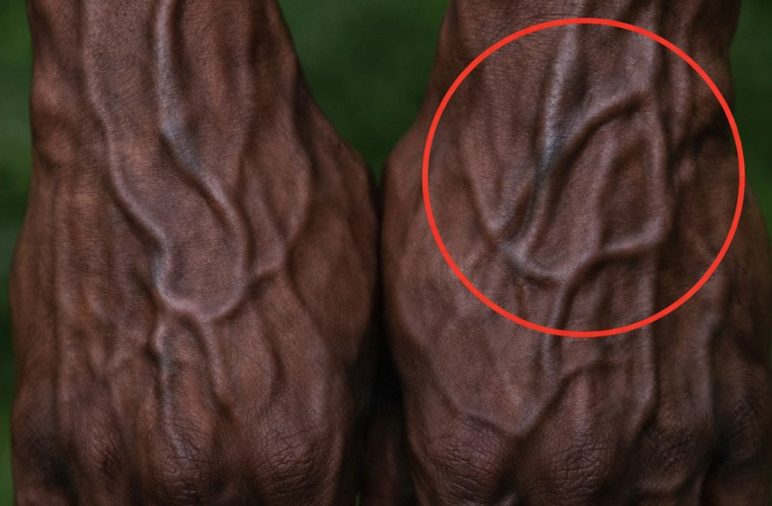
Many people notice the veins on their hands becoming more visible over time. For some, this change appears gradually with age. For others, it becomes noticeable after exercise, weight loss, or exposure to warm temperatures. When people first see these veins standing out beneath the skin, they often wonder whether it could signal something about their heart or circulation.
In most situations, visible hand veins are completely normal. The appearance of these veins is usually connected to natural body characteristics rather than heart disease or serious vascular problems. Even so, understanding why they appear and when they might deserve attention can help you better interpret what your body is showing you.
The hands are one of the areas where veins are easiest to see. The skin in this region tends to be thinner than in many other parts of the body, and there is often less fat beneath the surface. Because of these anatomical features, veins can appear more pronounced even when circulation is perfectly healthy.
Several common factors influence how visible hand veins become.
One of the most significant factors is body fat percentage. When the layer of fat beneath the skin is thinner, veins become easier to see. Many athletes and physically active individuals have prominent veins for this reason. Their circulation remains strong and efficient, though the reduced fat layer allows veins to stand out more clearly.
Aging can also change how veins appear. As people grow older, the skin naturally loses some of its thickness and elasticity. This gradual change can make veins appear more noticeable than they were during younger years. At the same time, connective tissues that support veins may weaken slightly with age, contributing to a more visible appearance.
Temperature changes play a role as well. Warm environments cause blood vessels to expand slightly, a process known as vasodilation. This expansion allows blood to flow more easily and helps regulate body temperature. During warm weather or after a hot shower, veins may appear fuller and more visible. Once the body cools down, they often return to their usual appearance.
Physical activity can create a similar effect. When muscles work during exercise, they require more oxygen and nutrients delivered through the bloodstream. Blood flow increases, and veins may temporarily expand to support that increased circulation. After the body returns to a resting state, the veins typically become less prominent again.
Genetics also influence vein visibility. Some people naturally have veins that sit closer to the skin’s surface. Family traits can determine skin thickness, body composition, and vascular structure, all of which contribute to how veins appear on the hands.
Because these factors are so common, visible hand veins rarely indicate heart disease.
Healthy veins perform an important function within the circulatory system. They carry blood back toward the heart after oxygen and nutrients have been delivered throughout the body. Seeing these veins beneath the skin does not mean the heart is struggling to perform its job.
However, certain vein-related conditions can affect how veins appear and feel.
Varicose veins develop when the small valves inside veins become weakened. These valves normally help direct blood toward the heart. When they lose strength, blood can collect in the vein, causing it to enlarge or twist. Varicose veins appear most frequently in the legs due to gravity and prolonged standing, though they can occasionally appear in other areas.
Another condition called chronic venous insufficiency can occur when veins have difficulty moving blood efficiently back to the heart. Over time, this can lead to swelling, discomfort, or skin changes in affected areas.
Even in these situations, the underlying concern usually involves the veins themselves rather than the heart.
Although visible hand veins are often harmless, certain accompanying symptoms may signal circulation problems that deserve attention.
Persistent swelling in the hands or feet, unusual pain in the limbs, skin discoloration around veins, or numbness and tingling may indicate that blood flow requires evaluation. Cold fingers, slow-healing wounds, or unexplained heaviness in the arms or legs can also suggest that circulation should be checked by a healthcare professional.
Maintaining good circulation benefits the entire cardiovascular system.
Regular physical activity helps keep blood moving efficiently through the body. Walking, swimming, cycling, and strength training encourage healthy vascular function and support heart health.
Nutrition also plays a role. Balanced meals that include fruits, vegetables, whole grains, and healthy fats help support blood vessel function and overall cardiovascular wellness.
Hydration contributes to proper circulation as well. Drinking adequate water supports blood volume and helps maintain healthy blood flow throughout the body.
Limiting long periods of inactivity can also make a difference. Standing, stretching, or walking periodically during long workdays helps keep circulation active and prevents blood from pooling in certain areas.
Routine medical checkups allow healthcare providers to monitor blood pressure, cholesterol levels, and other important indicators of cardiovascular health.
In most cases, visible veins on the hands reflect normal variations in body composition, aging, and environmental conditions. They often represent a healthy and functioning circulatory system rather than a warning sign.
Listening to your body, observing changes carefully, and maintaining healthy habits remain the most reliable ways to protect both your vascular system and your heart over time.