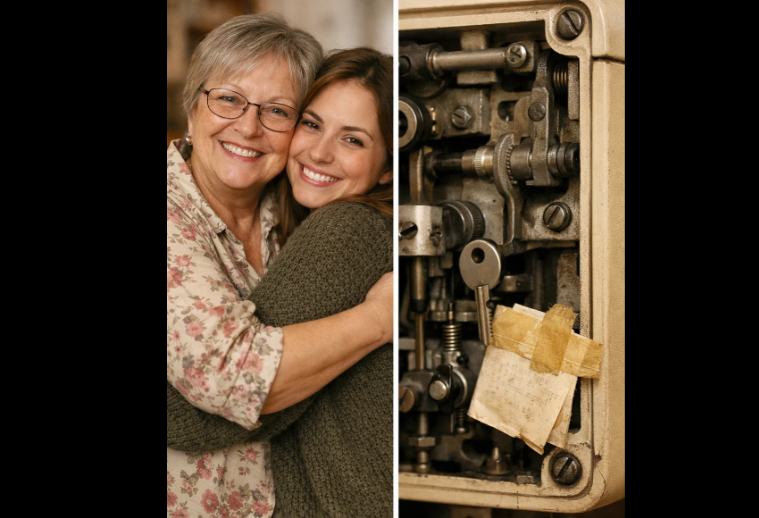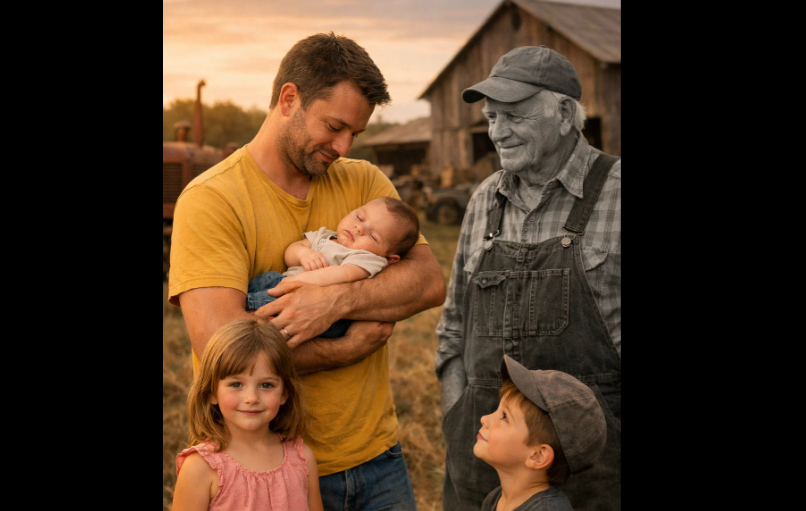
I was the only one who noticed that something felt wrong.
The house had changed. Not in any obvious way, but in a manner that settled heavily in the air. My stepfather’s home no longer carried the quiet comfort it once had. The silence was not peaceful. It lingered, thick and unsettling, pressing in from every corner. His biological daughter had stopped visiting long before this shift. Messages went unanswered. Calls faded into absence. Days passed without anyone checking on him.
I could not ignore it.
So I went.
What I found unsettled me deeply. He looked smaller somehow, thinner and noticeably weaker. He moved slowly, conserving energy, holding onto dignity even as his independence slipped away. He lived alone, managing as best he could, saying little about what he needed. I did not ask whether I should stay. I did not pause to consider inconvenience or disruption. That same day, I moved in and quietly reorganized my life around his care.
Our evenings took on a gentle rhythm. We spoke softly as daylight gave way to dusk, sharing memories and reflections. He talked about earlier years, about decisions that weighed on him, about moments he wished he had handled differently. He spoke of simple comforts that still brought meaning. Those conversations shaped a bond that had nothing to do with shared blood. It was built on consistency, on presence, on choosing to remain.
As his strength declined, I stayed.
I was there through long nights when sleep would not come.
I was there through fragile mornings when even small tasks felt overwhelming.
I was there when the quiet became more pronounced and words grew scarce.
When the end arrived, it came softly. He held my hand, his grip faint yet intentional. What mattered most to him in that moment was not fear or regret. It was relief. He was not alone.
After he passed, grief settled into my days and refused to leave. It followed me through ordinary moments, heavy and persistent. Yet beneath the sorrow was a calm certainty. I knew I had done what felt right, without hesitation.
At the funeral, she appeared.
His daughter arrived for the first time in months. Her voice stood out in the room, firm and impatient. She spoke less about loss and more about assets. Property, documents, arrangements. She carried herself with confidence, as though outcomes were already decided.
I said nothing.
Loss had taught me that silence often carries more strength than argument. I left early, choosing restraint over confrontation, peace over explanation. I believed the chapter had closed.
Nearly a month later, my phone rang late in the evening.
Her voice sounded different. Strained. The certainty she once carried was gone. She demanded that I come to the house immediately.
Concern outweighed hesitation. I returned to the place I had once tended with care.
What awaited us was not conflict.
It was clarity.
Documents had emerged. Papers my stepfather had prepared quietly while I lived there caring for him. They were straightforward and intentional. There was no bitterness in them. No attempt to punish or provoke. They reflected his wishes clearly and calmly.
They reflected gratitude.
He had made provisions thoughtfully, acknowledging the person who stood beside him when support mattered most. There was no sense of victory in that moment. Only understanding.
That was when the truth became unmistakable.
This story had never centered on property or ownership.
It was about showing up.
It was about remaining present without expectation.
It was about compassion offered freely.
I left the house that night with a lighter heart than I had carried in weeks. My stepfather’s final gift was not material. It was a reminder that kindness leaves an imprint, even when no one is watching.
And sometimes, it finds its way back in quiet, unexpected ways.