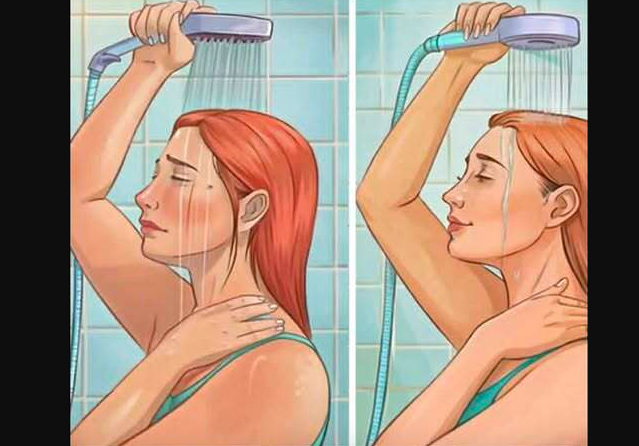
Bathing is often associated with cleanliness, comfort, and relaxation. For many people, a warm shower or bath represents a peaceful moment in a busy day. Regular bathing helps remove dirt, sweat, and bacteria from the skin while also promoting a feeling of freshness.
However, health professionals point out that bathing habits can influence skin health more than many people realize. In some cases, bathing too frequently or using very hot water and harsh products may affect the body in ways that are not always beneficial.
Understanding how bathing routines affect the skin and body can help people maintain hygiene while protecting overall health.
The Role of Natural Skin Oils
One of the primary concerns related to frequent bathing involves the natural oils produced by the skin. These oils, often referred to as sebum, form a protective layer that helps keep the skin soft, hydrated, and resilient. This natural barrier also protects the skin from environmental irritants and helps maintain moisture balance.
When bathing occurs too frequently, especially with strong soaps or long showers, this protective layer can be reduced. As a result, the skin may become dry or irritated. Some individuals notice that their skin feels tight after bathing or develops flaking or itching throughout the day.
These symptoms often indicate that the skin’s natural moisture barrier has been disturbed. Over time, repeated loss of protective oils may contribute to increased dryness and sensitivity.
The Skin Microbiome and Its Importance
Another factor that researchers have begun studying more closely is the skin microbiome. The surface of the skin contains a complex community of beneficial microorganisms that help protect against harmful bacteria and support the immune system.
These microorganisms exist in balance and contribute to healthy skin function. When antibacterial products or strong cleansers are used frequently, this balance may change. Excessive scrubbing or frequent washing with strong antibacterial soaps may reduce beneficial microbes along with unwanted bacteria.
Maintaining a healthy microbiome allows the skin to protect itself more effectively against irritation and infection. Using gentle cleansing products and avoiding unnecessary overuse of antibacterial soaps may help preserve this natural defense system.
Water Temperature and Body Response
Water temperature also plays an important role in bathing habits. Many people prefer very hot showers because they feel soothing and relaxing. However, extremely hot water can remove oils from the skin more rapidly and may increase dryness.
For older adults in particular, bathing with water that is too hot or too cold may influence how the body regulates temperature and circulation. Sudden exposure to extreme temperatures can sometimes cause dizziness, fatigue, or a temporary drop in blood pressure.
Warm water tends to provide the most comfortable and safe option for bathing. Shorter showers with moderate temperatures can help protect both skin health and circulation.
Effects on Hair and Scalp
Bathing routines often include washing hair, which can also be affected by frequent cleansing. The scalp naturally produces oils that protect hair strands and maintain moisture levels. Frequent shampooing may remove these oils before the scalp has time to restore them.
When this occurs, hair may become dry, brittle, or more prone to breakage. Some people notice that their scalp feels itchy or tight when hair is washed too often.
Many dermatology experts suggest that washing hair several times per week works well for most people. This schedule allows the scalp to maintain a natural balance while keeping hair clean and manageable.
Special Considerations for Sensitive Skin
Certain individuals experience skin conditions that make them more sensitive to bathing habits. People with eczema, psoriasis, or very dry skin often need to be particularly careful about how frequently they bathe and which products they use.
In these cases, gentle cleansers, lukewarm water, and moisturizing routines can help reduce irritation. Applying moisturizer shortly after bathing can help seal in moisture and support the skin’s protective barrier.
Dermatologists frequently recommend fragrance-free products and mild soaps for individuals with sensitive skin.
Healthy Bathing Habits
Health professionals generally suggest that most adults benefit from regular bathing, though frequency may vary depending on lifestyle, climate, and personal comfort. For many individuals, bathing once per day or every other day provides adequate hygiene.
Older adults or people with very dry skin may find that bathing every two to three days helps maintain comfort without excessive dryness. Personal hygiene practices such as washing hands, face, and specific areas regularly can still be maintained between full baths or showers.
Short showers, moderate water temperatures, and mild cleansing products support healthier skin while maintaining cleanliness.
The Importance of Moisturizing
One simple step that can help protect the skin after bathing is moisturizing. Applying a gentle moisturizer soon after leaving the shower helps replenish lost hydration and supports the skin barrier.
Moisturizers work by trapping water in the outer layer of the skin, which can reduce dryness and improve comfort. Products that contain ingredients such as glycerin, ceramides, or natural oils may provide additional benefits.
A Balanced Approach to Hygiene
Bathing remains an important part of personal care and well-being. It offers relaxation, supports hygiene, and helps many people start or end their day with a refreshing routine. At the same time, balance plays a key role in maintaining healthy skin.
By paying attention to water temperature, bathing frequency, and the types of products used, individuals can enjoy the benefits of bathing while protecting their skin’s natural defenses.
Understanding these simple principles allows people to maintain both cleanliness and long-term skin health without unwanted side effects.