It had been months since my husband passed after a long and exhausting illness, and the house felt unfamiliar in ways I never expected. Every room carried a different kind of silence. The walls still held memories of whispered midnight conversations, careful footsteps toward the medicine cabinet, and the steady hum of caregiving that had consumed my days and nights.
For a long time, my world had revolved around pill bottles, sleepless nights, and the quiet art of learning to lie on the very edge of the bed so I wouldn’t disturb him. When everything came to an end, people arrived with casseroles, flowers, and condolences. They assured me they would check in often. Life eventually pulled them back into familiar routines, leaving me with the mortgage, the bills, and a grief that settled into the corners of the house like dust.
The will was straightforward. The house became mine. There was little else remaining. Years of treatments and living expenses had drained everything we saved. I didn’t carry any resentment, because every dollar had been spent out of love and necessity. Still, once the initial numbness faded, I found myself staring at numbers that didn’t add up and responsibilities that grew heavier with every passing week.
My stepson was nineteen at the time.
He was capable, intelligent, and carried his father’s height and posture so clearly that sometimes it made my heart ache. He had been present through the hardest months, watching me race between hospital rooms and home, managing paperwork I didn’t feel prepared for, and pretending I wasn’t terrified every time a new envelope arrived in the mail.
I kept telling myself we would manage these challenges together.
Reality soon reminded me that I could not handle the household alone. One evening, after another long day of balancing bills and breathing through worry, I asked him to sit with me at the kitchen table.
I wrapped my hands around a warm coffee mug, hoping it would steady my voice.
“I need you to contribute,” I said softly. “Five hundred dollars each month to help with expenses.”
I expected a real conversation. I expected some concern mixed with understanding. I expected effort.
What I received instead was a short, dismissive laugh.
Then he leaned back in his chair and spoke in a tone that carried no hesitation.
“You’re childless,” he said. “That means I’m your retirement plan. You’re supposed to support me.”
The words struck me with an unexpected force.
Childless.
As if the years spent raising him, guiding him, and showing up for his milestones held no value. As if the nights spent caring for his father, the exhaustion, the sacrifices, and the love meant nothing. I had never tried to replace his mother. I only wanted to be a steady presence, someone reliable in a world that often felt uncertain.
Hearing him reduce me to a single word fractured something already fragile.
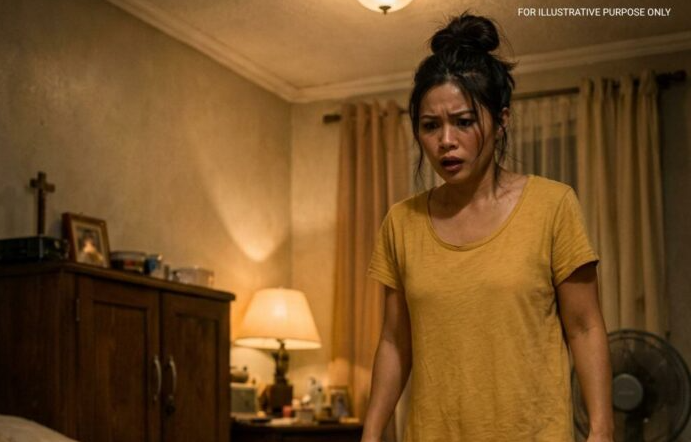
I did not react. I didn’t argue. I didn’t raise my voice. I nodded, stood up from the table, and went to bed, staring at the ceiling through the entire night.
By morning, fear and strain pushed me into a decision I convinced myself was necessary for my survival.
While he was out, I changed the locks.
The silence afterward felt cold. To distract myself from guilt, I went into his room and began packing his belongings. Clearing the space seemed like the only way to move forward.
As I checked under the bed for stray items, my hand grazed something soft and heavy. I pulled out a duffel bag with my name on it.
Inside was an old-fashioned savings passbook.
I flipped through it in confusion. Small deposits appeared throughout the pages—twenty, fifty, sometimes a hundred dollars at a time—stretching back four years. Summer jobs, holiday money, little earnings he could have spent on anything else.
At the top of the first page, written in careful handwriting, were the words:
Mom’s Retirement Fund.
I sat down on the floor as my knees buckled.
There was also a letter inside an envelope, meant for my upcoming birthday. His words were honest, vulnerable, and full of a quiet devotion I had never fully understood.
He wrote about the nights he saw me worrying at the kitchen table. He wrote about the fear he sensed in me, even when I tried to hide it. He wrote about the strength he admired during his father’s hardest days. Then he wrote the sentence that made tears fall onto the page.
“You’re my mom. The only one I’ve ever truly had. You will never be alone.”
My breath caught. The anger I carried dissolved into regret.
He had spoken harshly the night before, yet beneath that anger lived years of gratitude, fear, and love. I had mistaken his painful words for the truth of who he was. I had locked out the one person who had quietly been trying to protect me.
That evening, I unlocked the door and waited in the entryway.
When he arrived, he stood uncertainly on the front step, unsure if he was welcome.
I walked toward him with the duffel bag in my hands.
“I’m sorry,” I said, voice trembling.
His shoulders softened. The guarded look faded.
“I didn’t know how to talk about everything,” he admitted.
“I didn’t either,” I replied.
We stood there in the doorway, surrounded by shadows and soft light, and for the first time since my husband’s passing, the house felt hopeful again.
Not perfect.
Not healed.
Simply a place where two people who had been lost in their own grief finally saw each other clearly.
And sometimes, that is where true healing begins.