Bagworms, often referred to as case-bearing moth larvae, are small insects that tend to escape notice because of their remarkable camouflage. Each larva builds and carries a tiny protective case made from dust, fibers, and bits of debris gathered from its surroundings. This case allows it to blend easily into indoor spaces, making detection difficult. Although bagworms pose no direct threat to people, their appearance indoors can feel disturbing and may point to underlying conditions such as excess dust, moisture, or limited airflow. Learning where they prefer to hide can make a meaningful difference in preventing their return.
Walls and Corners Near the Ceiling
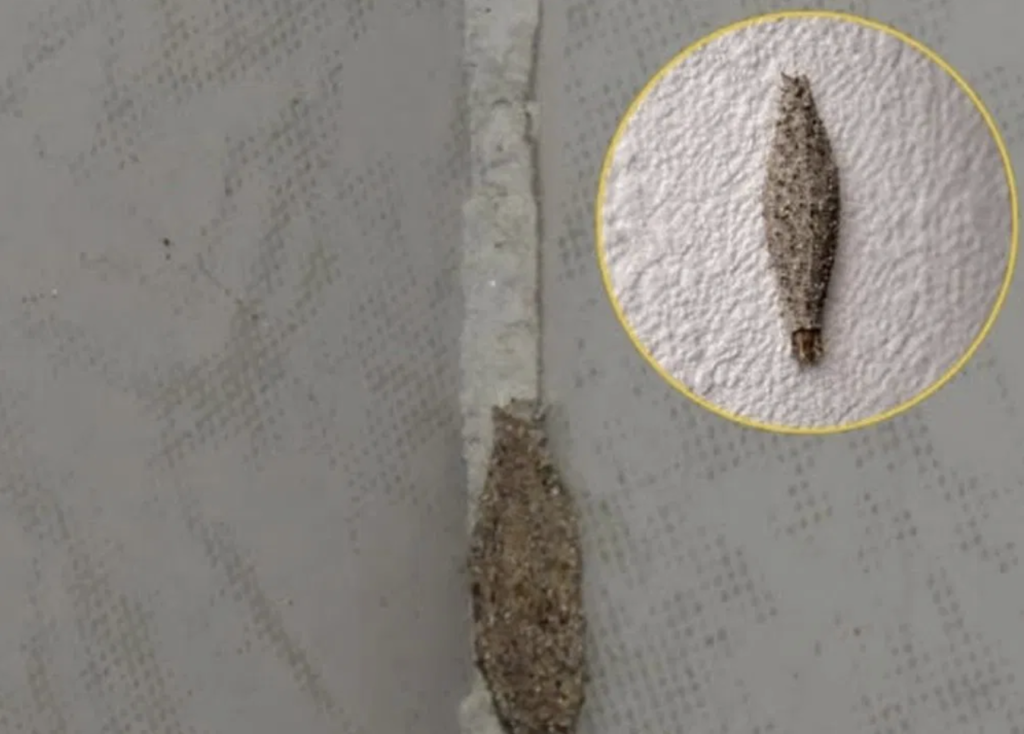
One of the most frequent hiding places for bagworms is along interior walls, especially in corners close to the ceiling. These spots are often missed during routine cleaning and tend to collect fine dust and cobwebs over time. Bagworms use these materials to reinforce their cases, anchoring themselves quietly to vertical surfaces. They often resemble small gray or brown tubes attached to the wall, easily mistaken for lint or harmless debris.
Bedrooms and Sleeping Areas
Bedrooms provide an inviting environment for bagworms due to the abundance of fabric, skin particles, and dust. These rooms are typically quiet for long periods, particularly overnight, which suits bagworms well. They may settle behind headboards, beneath beds, or along baseboards. In homes where mattresses, bedding, or under-bed areas are cleaned infrequently, these insects may remain unnoticed for extended periods.
Closets and Wardrobes
Closets are another common location where bagworms establish themselves. Clothing made from natural fibers such as cotton, wool, or linen offers ideal material for their protective cases. Dark closets with limited air circulation are especially appealing. Bagworms may cling to shelves, walls, or even the clothing itself, blending in so effectively that they go unseen until numbers increase.
Curtains, Carpets, and Fabric Items
Any area rich in textiles can attract bagworms. Curtains, rugs, carpets, and upholstered furniture provide shelter and resources. Bagworms often hide along carpet edges, beneath furniture, or behind hanging drapes where dust gathers. Thick curtains or carpets that are rarely vacuumed create favorable conditions for them to remain undisturbed.
Bathrooms and Laundry Areas
Bagworms are not water-dwelling insects, yet they are drawn to humid environments. Bathrooms and laundry rooms supply warmth, moisture, and lint, all of which support their survival. They may be found near ventilation fans, behind washing machines, or along walls where condensation occurs. Poor airflow in these rooms increases the likelihood of their presence.
Storage Rooms, Basements, and Attics
Low-traffic spaces such as basements, attics, and storage rooms are prime locations for bagworms. These areas often contain cardboard boxes, stored clothing, and old furniture, along with layers of settled dust. Limited ventilation and infrequent cleaning allow bagworms to thrive quietly. Infestations can develop unnoticed until insects begin appearing in more visible areas of the home.
Window Frames and Door Edges
Bagworms may also appear near windows and doors, particularly in homes close to gardens or vegetation. They can enter from outside and attach themselves to window frames, door trim, or small cracks in walls. These spots collect debris easily and offer convenient access to indoor shelter, especially during seasonal changes.
How to Reduce the Risk
Preventing bagworms begins with consistent cleaning habits. Vacuum carpets, walls, corners, and closets regularly, paying attention to areas that are often overlooked. Improve ventilation throughout the home to reduce humidity, especially in bathrooms, laundry rooms, and storage spaces. Wash stored clothing periodically and avoid leaving fabrics undisturbed for long periods. Keeping clutter to a minimum also removes potential hiding spots.
While bagworms do not cause harm, their presence often signals conditions that may attract other household pests. Addressing dust buildup, moisture, and airflow issues not only discourages bagworms but also supports a cleaner and more comfortable living environment. Early attention to these details helps maintain a home that feels orderly, healthy, and well cared for.