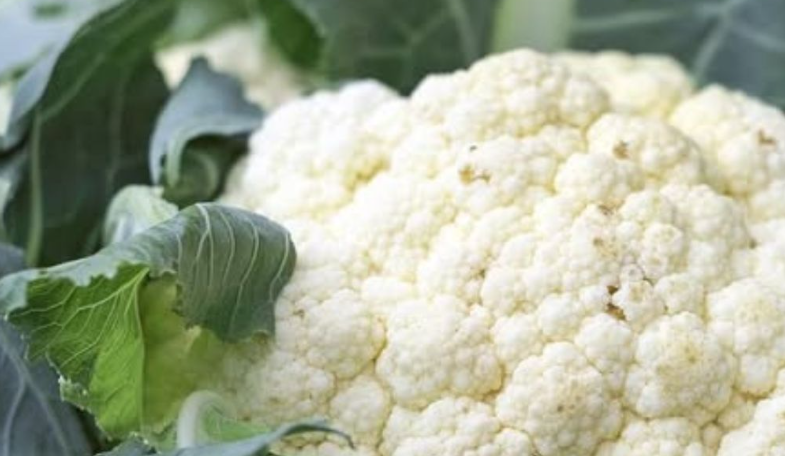
Cauliflower is widely recognized as one of the most nutritious vegetables available in modern diets. It belongs to the cruciferous vegetable family, which also includes broccoli, kale, Brussels sprouts, and cabbage. These vegetables are valued for their rich supply of vitamins, minerals, antioxidants, and dietary fiber. Because of this impressive nutritional profile, cauliflower often appears in meal plans designed to support overall wellness, digestive health, and heart function.
Many people include cauliflower in their meals because it is versatile and easy to prepare. It can be steamed, roasted, mashed, or even used as a substitute for grains in recipes such as cauliflower rice or pizza crust. Its mild flavor allows it to blend easily with other ingredients, making it a popular choice for healthy cooking.
Despite its many health benefits, cauliflower may not be suitable for everyone. Certain individuals may experience discomfort or health complications if they consume large amounts of this vegetable. Understanding who may need to monitor their intake can help people enjoy cauliflower safely while avoiding unwanted effects.
People With Sensitive Digestion
One of the most common concerns related to cauliflower involves digestion. This vegetable contains complex carbohydrates known as raffinose and fibers classified as FODMAPs. These substances can be difficult for some individuals to digest because the human digestive system does not produce the enzymes needed to fully break them down.
When these compounds pass into the large intestine, bacteria begin fermenting them. This process can produce gas, which may lead to symptoms such as bloating, abdominal discomfort, or cramping. For individuals with sensitive digestive systems, these reactions may occur more easily.
People who live with irritable bowel syndrome (IBS) often report stronger reactions to foods that contain high levels of FODMAPs. For these individuals, eating large portions of cauliflower may trigger digestive symptoms.
Cooking cauliflower thoroughly may make it easier to digest, since heat can help soften the fibers and reduce the intensity of certain compounds. Some people find that smaller portions cause fewer digestive issues than larger servings.
Individuals With Thyroid Conditions
Another group that may need to approach cauliflower consumption carefully includes individuals with thyroid concerns. Cauliflower contains naturally occurring substances called goitrogens. These compounds can interfere with the body’s ability to absorb iodine when consumed in very large amounts.
The thyroid gland relies on iodine to produce hormones that regulate metabolism, energy levels, and several other essential body processes. When iodine absorption becomes disrupted, thyroid function may be affected.
For most healthy individuals, eating moderate amounts of cauliflower poses no risk to thyroid health. Problems are more likely to occur when extremely large quantities of raw cruciferous vegetables are consumed regularly.
Cooking cauliflower significantly reduces its goitrogen content. Steaming, boiling, or roasting the vegetable can make it a safer option for people who wish to include it in a balanced diet while managing thyroid health.
People Taking Blood-Thinning Medication
Cauliflower also contains vitamin K, a nutrient that plays an essential role in blood clotting and bone health. Vitamin K supports the body’s ability to control bleeding and maintain strong bones.
Although vitamin K offers many benefits, it can interact with certain medications used to prevent blood clots. People who take medications such as warfarin must maintain consistent vitamin K intake to ensure their treatment works properly.
Sudden changes in the amount of vitamin K consumed may influence how these medications function. Increasing the intake of vitamin K–rich foods, including cauliflower, could alter the effectiveness of treatment if dietary habits change dramatically.
For this reason, individuals who take blood-thinning medications should discuss dietary changes with a healthcare provider before significantly increasing their consumption of foods rich in vitamin K.
Individuals With a History of Kidney Stones
Cauliflower contains moderate levels of compounds called oxalates. Oxalates are natural substances found in many plant foods. In certain individuals, these compounds may contribute to the formation of kidney stones, particularly calcium oxalate stones.
Although cauliflower does not rank among the highest oxalate foods, individuals who have previously experienced kidney stones may benefit from monitoring their intake. Maintaining adequate hydration and following medical advice regarding diet can help reduce the risk of stone formation.
Healthcare professionals often recommend balanced eating patterns that include a variety of foods rather than relying heavily on any single ingredient.
People Sensitive to Gas-Producing Foods
Cauliflower also contains sulfur-containing compounds and dietary fiber, both of which contribute to gas production during digestion. For many people, this is a normal and harmless part of the digestive process.
However, individuals who are sensitive to gas-producing foods may experience noticeable discomfort after consuming cauliflower, particularly when it is eaten raw or in large portions.
Gradually introducing cauliflower into meals can allow the digestive system to adjust. Cooking the vegetable and combining it with other easily digestible foods may also help reduce digestive discomfort.
The Importance of Balanced Nutrition
Cauliflower remains a highly nutritious vegetable that offers numerous health benefits. It provides vitamin C, vitamin K, fiber, antioxidants, and plant-based compounds that support overall health.
For most individuals, moderate consumption of cauliflower contributes positively to a balanced diet. Awareness of individual sensitivities and medical conditions allows people to make informed choices about how much and how often they include this vegetable in their meals.
Anyone with digestive disorders, thyroid conditions, kidney stone history, or medication concerns may benefit from speaking with a healthcare professional when adjusting their diet.
With thoughtful preparation and portion control, cauliflower can remain a valuable part of many healthy eating patterns while supporting long-term well-being.