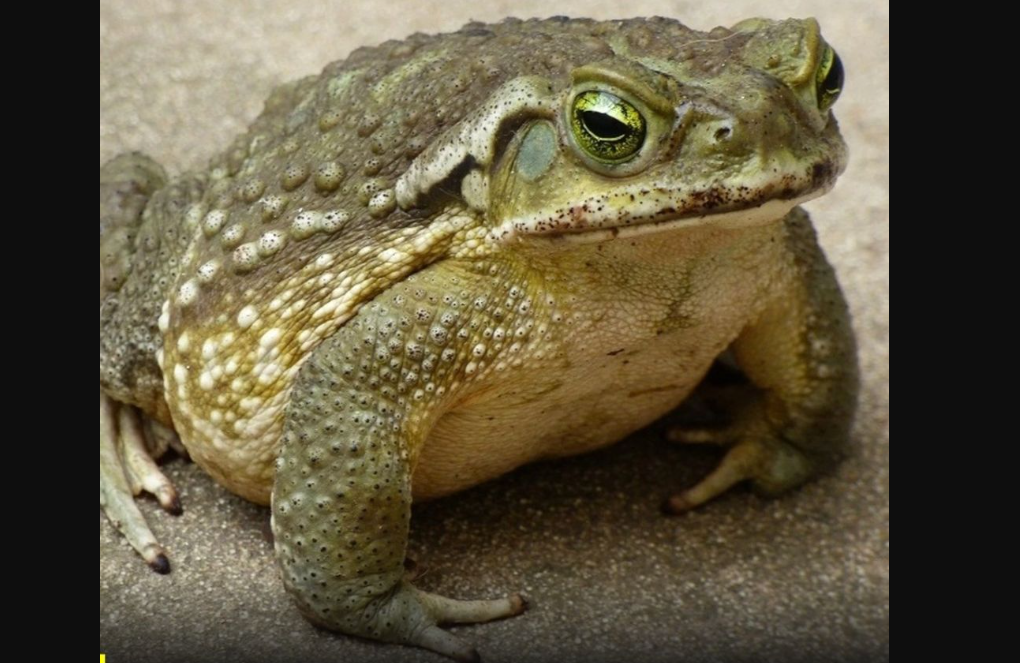
From time to time, people are surprised to find a toad in their yard, near their doorway, or even inside their home.
The first reaction is often a mix of curiosity and uncertainty. Some assume it wandered in by accident, while others instinctively feel that its presence carries symbolic meaning. The truth is that a toad entering a home can be understood in two parallel ways that have existed across cultures for centuries: through a natural explanation rooted in biology, and through a symbolic one shaped by tradition and belief.
Throughout history, toads have appeared in myths, folklore, and spiritual teachings. They have been feared in some regions, respected in others, and sometimes viewed as carriers of special messages. Yet beyond old legends, there are clear and practical reasons why these creatures are drawn toward human living spaces.
Toads are amphibians that depend on moisture for survival.
They thrive in shaded, cool environments where small insects are abundant. Their diet includes mosquitoes, flies, crickets, beetles, and other tiny invertebrates. Because of this, homes with gardens, potted plants, standing water, shaded corners, or outdoor lights that attract insects can unintentionally create perfect conditions for toads seeking food and shelter.
Their visits become more frequent during rainy periods or when humidity rises. In those conditions, toads leave their hiding places to explore, hunt, or find safer locations. They can enter homes through small openings, unsealed gaps, or partially open doors. These movements are guided by instinct and survival, not by any harmful intention. Toads are not aggressive and rarely interact with humans unless handled.
Beyond the biological explanation, many cultures assign symbolic importance to the appearance of a toad.
In Eastern traditions, especially within Feng Shui, the toad is a symbol of wealth and abundance. The well-known “money toad,” often depicted with a coin in its mouth, represents prosperity and financial opportunity. Seen through this lens, a toad near the home may be interpreted as a sign of incoming growth or improvement in material stability.
In several Latin American cultural teachings, the symbolism shifts toward transformation and renewal.
Because the toad undergoes a complete metamorphosis from tadpole to adult, it is viewed as an emblem of change, emotional development, and new beginnings. Its arrival may coincide with personal evolution, shifts in family life, or transitions that require resilience and adaptation.
Some beliefs also suggest that toads help absorb stagnant or heavy energy in a household.
From that perspective, their presence may signal the need for balance, emotional cleansing, or a renewed focus on harmony within the home. Rather than seeing the animal as a negative presence, these traditions consider it a natural messenger.
Historically, toads have sometimes been misunderstood.
In certain ancient societies, they were mistakenly linked to misfortune or dark rituals, largely due to fear and unfamiliarity. Yet earlier civilizations, including Egyptian and Celtic cultures, saw them as symbols of fertility, protection, transformation, and guardianship. Within those traditions, the toad held a valued place as a creature connected to earth, water, and the cycle of life.
When toads appear often, it may be helpful to examine the environment.
Areas with standing water, thick vegetation, or persistent humidity naturally attract them. Those who wish to keep toads outside can seal openings, reduce moisture inside the home, and tidy outdoor spaces. For others, allowing them to remain nearby can be beneficial, since toads help control insect populations without chemicals.
From an ecological perspective, the presence of toads often signals a healthy and balanced environment.
Their sensitivity to pollutants means they typically thrive only where ecosystems remain intact. When they are missing, it may indicate ecological stress or contamination.
Ultimately, finding a toad inside your home is not a cause for fear.
It may be an animal following its natural instincts, or it may carry symbolic meaning for those who look for deeper interpretations. Whether seen through science or spirituality, the toad appears as a subtle reminder of balance, adaptation, and the ongoing cycles of change. Its presence encourages us to observe our surroundings, respect the natural world, and remain open to the quiet messages life places in our path.