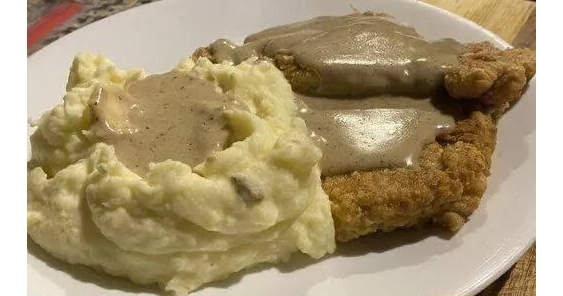
Many people grow up believing that boiling potatoes in plain water is the standard first step toward good mashed potatoes. It’s familiar, quick, and widely accepted. I thought the same for years—until a conversation with my grandmother completely shifted how I see this comfort-food classic. When I casually mentioned my usual method, she laughed with the confidence of someone who has spent a lifetime in the kitchen. Then she shared a technique that she said makes mashed potatoes richer, smoother, and far more satisfying than most people expect.
Her approach begins long before the mashing stage. The transformation starts during cooking, when flavor and texture are already taking shape. According to her, the cooking liquid plays a major role in the final result. Potatoes absorb what surrounds them, and that absorption determines how creamy and flavorful they become. This idea alone changed how I approached the dish.
The Technique That Changes Everything
My grandmother always cooked her potatoes in milk with a small amount of cream added for richness. This method allows the potatoes to gently take in dairy as they soften, creating depth of flavor from the inside rather than relying on additions at the end. The result is a mash that tastes rich throughout, not layered on top.
Cooking potatoes this way produces a texture that feels smooth and comforting, with a natural creaminess that carries through every spoonful. The milk and cream also help prevent dryness, which can sometimes happen during mashing when potatoes lose too much moisture.
Why Cooking in Milk Makes a Difference
Potatoes act like sponges while they cook. When surrounded by milk and cream, they slowly absorb both flavor and fat. This leads to a mash that feels cohesive and velvety rather than grainy.
Milk also brings subtle sweetness and warmth, which enhances the natural earthiness of the potatoes. The added dairy contributes protein and calcium, offering extra nourishment while improving mouthfeel. From a sensory point of view, the texture becomes softer and more uniform, making seasoning easier and more effective.
A Creamy Mashed Potato Recipe Inspired by Tradition
Below is the method my grandmother shared, adapted for modern kitchens while preserving her core technique.
Ingredients
-
3 pounds russet or Yukon Gold potatoes, peeled and cut into even chunks
-
2 cups whole milk
-
1 cup heavy cream
-
1 stick unsalted butter
-
Salt and black pepper, to taste
-
Optional: 2 garlic cloves, finely minced
-
Optional garnish: chopped fresh chives or parsley
Preparation
Begin by peeling the potatoes and cutting them into similar-sized pieces. This helps them cook evenly. Rinse the pieces under cold water to remove surface starch, which supports a smoother texture later.
Place the potatoes into a large, heavy-bottomed pot. Pour in the milk and cream, ensuring the liquid reaches the level of the potatoes. Add the garlic if you enjoy a subtle savory note.
Set the pot over medium heat and bring the liquid to a gentle simmer. Avoid rapid boiling, as slow heat allows the potatoes to soften evenly while absorbing the dairy.
Allow the potatoes to cook until a fork slides through easily, which usually takes about 20 to 25 minutes. During this time, the milk mixture will thicken slightly as starch releases into the liquid.
Once tender, remove the pot from heat. If excess liquid remains, pour off a small amount and reserve it. Return the potatoes to the warm pot.
Add the butter and begin mashing. A potato masher works well, while a ricer or hand mixer can create an even smoother result. Add back small amounts of the reserved cooking liquid if needed to reach your preferred consistency.
Season with salt and pepper gradually, tasting as you go. Finish with fresh herbs if desired.
Serving and Enjoyment
Serve the mashed potatoes warm, allowing their natural creaminess to shine. They complement roasted meats, vegetables, and gravies beautifully, while also standing on their own as a comforting centerpiece.
A Simple Change With Lasting Impact
This technique taught me that small changes in preparation can dramatically elevate familiar dishes. By focusing on flavor from the beginning, mashed potatoes become more than a side—they become an experience. The next time potatoes are on the menu, this approach offers a way to bring warmth, depth, and tradition to the table, one creamy bite at a time.