Many shoppers experience the brief pause at Costco’s exit as a routine part of the visit. The line slows, a receipt is scanned with a glance, and the cart rolls on. What often goes unnoticed is how much care is built into that moment. Far from being an obstacle, the receipt check is one of the most customer focused safeguards used in large scale retail today.
This process is not rooted in doubt.
It is rooted in accuracy.
Costco handles enormous carts, oversized packaging, and high value bulk items every hour of the day. With that volume comes the possibility of human error, and the receipt check exists to protect members from those mistakes before they become costly.
Verifying Items Against What You Paid For
Consider how easy it is for an error to happen at the register. A bulky item sits on the lower rack of the cart and is scanned twice. A large multipack is mistaken for two separate units. A cashier moves quickly and an item is skipped or duplicated. These are not small discrepancies. They can mean paying significantly more or less than intended.
The employee at the exit is trained to focus on these exact scenarios. They count large items, check quantities, and compare what is physically in the cart with what appears on the receipt. This final review catches errors that might otherwise go unnoticed until long after the trip home. In many cases, members save money without ever realizing a correction was needed.
The Receipt as a Transaction Record
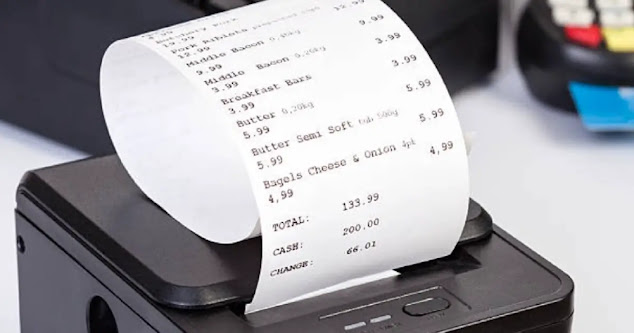
Every Costco receipt contains a series of unique codes printed at the top and bottom. These codes are far more than decoration. They link your purchase to a specific register, time, employee, and item list.
If a question arises later about a charge, a return, or a warranty issue, Costco can locate the entire transaction instantly. There is no need for debate or memory based explanations. That small slip of paper represents a complete and traceable record of your visit.
Extra Oversight on High Value Purchases
Certain items receive an additional layer of review. Electronics, jewelry, appliances, and large gift card purchases are double checked by a supervisor at the register. Their initials appear on the receipt to confirm that pricing and product details were verified by a second set of eyes.
This step prevents major errors before they reach your account. It protects both the shopper and the store by ensuring clarity and accountability on purchases that carry higher financial impact.
What the Receipt Check Is Not
The exit process is often misunderstood, so it helps to clarify what is not happening.
Employees are not investigating theft. Any concerns related to loss prevention are handled well before the exit point.
They are not confirming membership status. That verification already occurred when you entered.
They are not evaluating what you chose to buy. Bulk shopping produces all kinds of carts, and none of them are unusual in this setting.
Why This System Is Unique
Many retailers focus almost entirely on speed. Once a purchase is completed, responsibility shifts to the customer.
Costco takes a different approach.
Its business is built on long term membership relationships rather than one time transactions. The average purchase value is higher, and the expectation of trust runs deeper. One unresolved mistake can erode confidence quickly.
From its earliest days, the company emphasized care for members as the foundation of success. Accuracy, fairness, and accountability were treated as investments rather than expenses. The receipt check is one of the simplest expressions of that philosophy.
Making the Process Smooth
Members can help keep the experience efficient with a few small habits.
Keep the receipt accessible.
Pause briefly at the exit.
Offer a polite acknowledgment.
The employees stationed there spend hours protecting shoppers from unnoticed errors. When a discrepancy appears, it is resolved immediately, often before the customer even realizes what happened.
A Quiet Assurance
That brief moment at the door is not a hurdle.
It is a closing gesture.
It signals that the transaction matters, that details were reviewed, and that the store stands behind what was charged.
In a retail environment that often feels hurried and distant, this small act reflects a different standard of care. The next time you hear the familiar request for a receipt, it helps to see it for what it is: a final check made in your interest, offered consistently and without fuss.