1. Cost Considerations
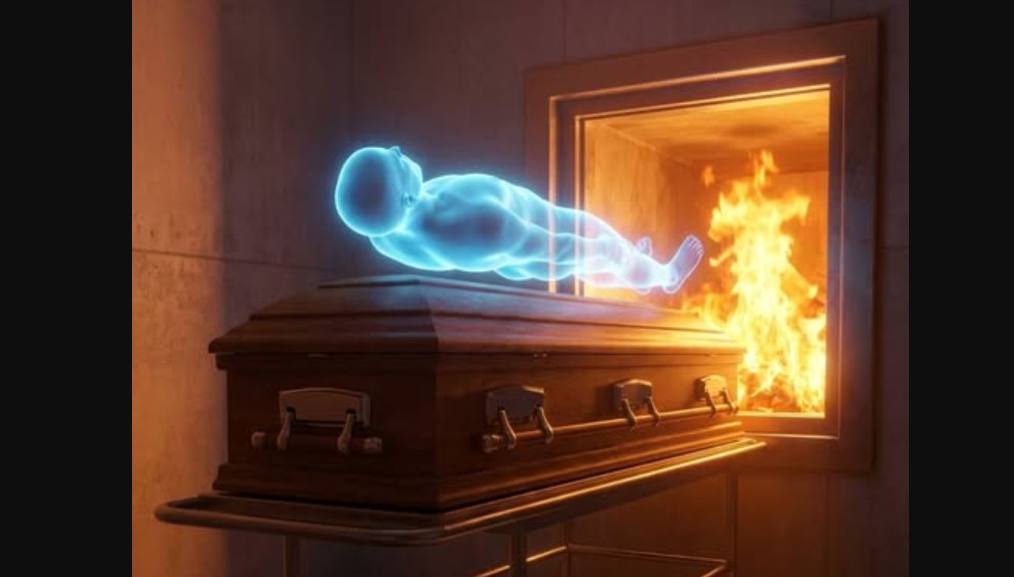
One of the primary reasons many families consider cremation is the overall cost. Traditional burial arrangements often involve several expenses, including a casket, burial plot, headstone, and various service fees. These elements can quickly add up, creating financial pressure during an already emotional time.
Cremation is often viewed as a more accessible option because it typically involves fewer expenses. This makes it a practical choice for families who want to honor their loved one while also managing their budget carefully. The lower cost does not reduce the importance of the moment. Instead, it allows families to focus on meaningful remembrance without added financial strain.
2. Greater Flexibility
Cremation allows families to plan memorial services in a way that fits their needs and schedules. Traditional funerals often follow a limited timeframe, which can feel rushed, especially when loved ones need time to travel or make arrangements.
With cremation, there is more freedom to choose when and how to hold a ceremony. Families can gather at a later date, organize a private event, or plan a memorial that reflects personal preferences. The ashes can be kept, scattered in a meaningful place, or incorporated into a tribute that honors the individual in a unique way.
This flexibility supports a more personalized experience, allowing families to create moments that feel thoughtful and appropriate for their situation.
3. Space and Environmental Considerations
As cities continue to grow, available cemetery space becomes more limited. This creates challenges for long-term planning, especially in densely populated areas. Cremation requires far less physical space, making it a practical alternative for many communities.
Some individuals also consider the impact on land use. Cremation reduces the need for large burial areas and ongoing maintenance. While it is not without environmental considerations, many people see it as a way to simplify long-term land use and reduce the physical footprint associated with traditional burial practices.
4. Modern Lifestyles and Mobility
Today, families are often spread across different cities or even different countries. Maintaining a gravesite can become difficult when loved ones are not located nearby. Travel, time, and distance can make regular visits challenging.
Cremation offers a level of portability that aligns with modern lifestyles. Ashes can be kept in a meaningful place, shared among family members, or transported if needed. This allows families to stay connected to their loved one in a way that fits their circumstances, regardless of location.
This adaptability supports a sense of closeness, even when physical distance is part of daily life.
5. Changing Beliefs and Traditions
Cultural and personal perspectives on end-of-life choices have evolved over time. Many people now view cremation as an accepted and meaningful option. For some, it aligns more closely with their personal beliefs about simplicity, remembrance, and the natural cycle of life.
Traditions continue to shift as individuals seek approaches that reflect their values. Cremation provides an option that can be adapted to different cultural, spiritual, or personal preferences. This openness allows families to make decisions that feel appropriate for their beliefs and experiences.
6. Simplicity and Convenience
Planning a traditional funeral can involve many steps, from coordinating services to arranging logistics and managing details. During a time that is already emotionally challenging, this process can feel overwhelming.
Cremation often simplifies these arrangements. With fewer immediate requirements, families can take the time they need to focus on remembrance rather than organization. This can create space for reflection, support, and connection during a difficult period.
The simpler process allows attention to remain on honoring the life and memory of the person, rather than on managing complex arrangements.
Conclusion
The increasing interest in cremation reflects both practical needs and changing perspectives. Its affordability, flexibility, and simplicity make it a suitable option for many families navigating modern life.
At the same time, cremation allows for meaningful and personal ways to remember loved ones. Whether through a small gathering, a shared moment, or a lasting tribute, families can honor those they have lost in ways that feel sincere and appropriate.
As lifestyles and values continue to evolve, choices around remembrance also adapt. Cremation offers an approach that balances practicality with personal expression, helping families create moments of reflection and connection that remain meaningful over time.