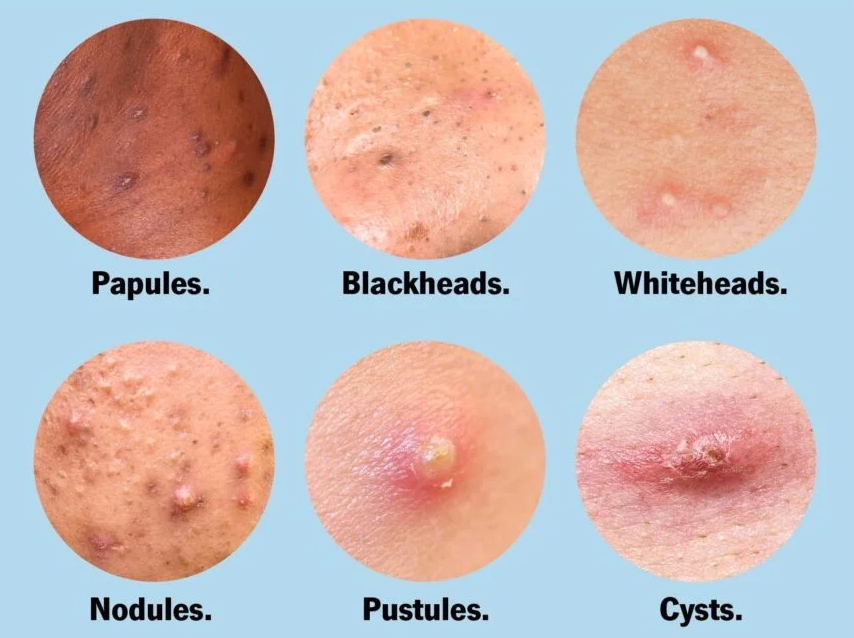
Acne on the nose is one of the most common skin concerns people face, and despite its small size, even a single blemish in this spot can feel surprisingly noticeable. Because the nose sits at the center of the face, any breakout there tends to draw unwanted attention, making it feel more troublesome than pimples elsewhere. What many people do not realize is that this area is naturally prone to acne for biological reasons that have nothing to do with poor habits or luck.
The nose is part of the well-known T-zone, a section of the face where the skin produces more oil than other areas. Beneath the surface are sebaceous glands that release sebum, a protective oily substance the skin needs for moisture and defense. On the nose, these glands are larger and more active, which means pores can become filled more easily and more often.
When sebum combines with dead skin cells and bacteria, breakouts begin to form, sometimes appearing in only a short amount of time. Not all bumps on the nose are actually pimples, though. Many people mistake sebaceous filaments—small gray, white, or yellow dots that are part of normal skin function—for blackheads. Filaments refill quickly because they assist in guiding oil through the pores, while blackheads occur when a clogged pore oxidizes at the surface and darkens.
Inflamed red pimples, which often feel sore or tender, usually indicate that bacteria has settled deeper in the skin. Touching, picking, or pressing on the nose can make this much worse, increasing irritation and introducing additional bacteria. Everyday behaviors play a bigger role than most people assume. Leaning your face in your hands, rubbing your nose frequently, or adjusting glasses throughout the day can transfer oil and microbes directly onto the skin.
Skincare routines can also contribute to the problem. Using harsh cleansers or scrubbing aggressively removes too much of the skin’s natural barrier, leaving the nose irritated and reactive. Heavy creams or comedogenic products may sit inside the pores and trap oil, creating ideal conditions for breakouts. Ironically, many people over-wash their face in an effort to get rid of acne, not realizing that this can trigger the glands to produce even more oil.
Dermatologists consistently offer the same guidance when it comes to breakouts on the nose: avoid squeezing or popping. This part of the face contains a dense network of blood vessels, and improper pressure can lead to infections, long-lasting marks, or deeper inflammation. What may look like a quick solution often results in prolonged redness or permanent scarring.
Although acne on the nose is common and can be frustrating, it is also manageable. A simple, gentle routine—paired with awareness of triggers—can support clearer, calmer skin over time. Cleansing with mild products, choosing items labeled non-comedogenic, and keeping hands away from the face can make a meaningful difference. With consistency and patience, the skin often begins to rebalance, and the nose can return to a healthier appearance.
Often, the most helpful step is paying attention to what your skin is telling you. When you understand the causes behind breakouts, it becomes much easier to care for them in a way that supports lasting improvement.