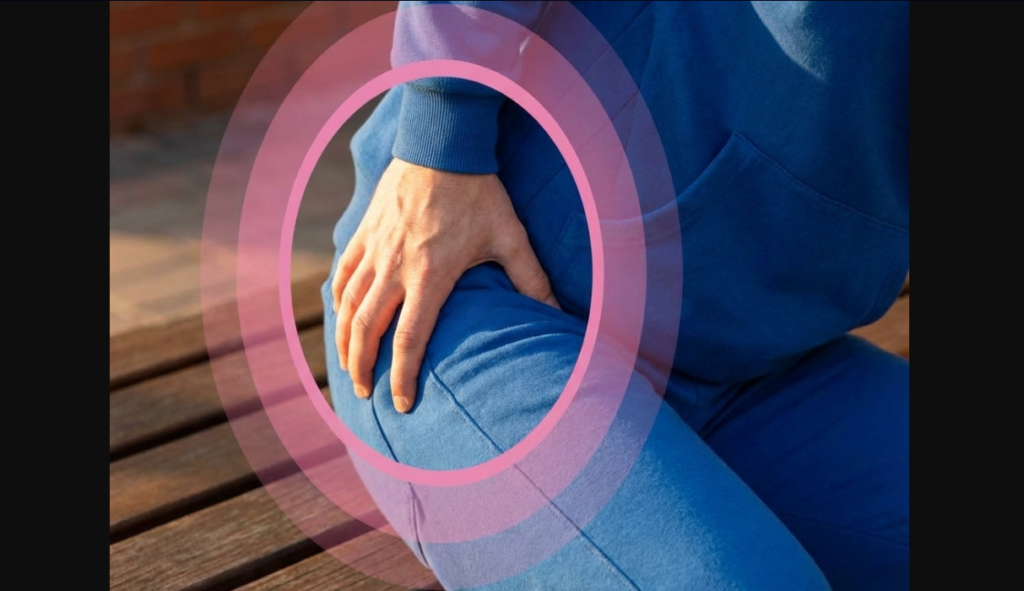
A quiet click, a soft pop, or even a subtle grinding sensation in the hip can seem harmless at first. If there is no immediate pain, many people assume it is temporary or related to aging. These sounds often fade into the background of daily life.
The hip, however, is one of the body’s most important joints. It supports standing, walking, climbing stairs, bending, and sitting. Nearly every lower-body movement depends on it. When unusual sensations occur repeatedly, they may signal that the joint is no longer moving as smoothly as it should. Over time, this can increase strain on nearby muscles, tendons, and connective tissues.
If these changes continue or are paired with stiffness, reduced flexibility, or persistent discomfort, they deserve attention. Hip issues can affect individuals of all ages. Past injuries, repetitive movements, prolonged sitting, and high-impact activities can all influence joint function. Even subtle muscle imbalances may gradually alter how the body distributes weight and absorbs shock.
The hip joint is designed as a ball-and-socket structure, allowing for a wide range of motion. Smooth cartilage cushions the bones, and synovial fluid helps reduce friction. When any of these components become irritated or weakened, movement may feel different. In some cases, clicking or popping occurs when tendons move across bone. In others, cartilage wear or inflammation may be involved.
Healthcare professionals evaluate hip symptoms through physical examination. They assess range of motion, strength, balance, and alignment. If necessary, imaging studies such as X-rays or MRI scans provide a closer look at cartilage, ligaments, and joint surfaces. Early evaluation helps identify whether symptoms stem from mechanical strain, inflammation, or structural changes.
Addressing hip concerns early often improves long-term outcomes. Daily habits play a significant role in joint health. Sitting for extended periods can tighten hip flexors and weaken supporting muscles. Over time, this imbalance affects posture and movement efficiency. Standing and stretching periodically throughout the day helps maintain circulation and flexibility.
Body weight also influences hip comfort. The hip joint absorbs substantial force with each step. Maintaining a balanced weight reduces stress on cartilage and surrounding tissues. Supportive footwear further contributes to healthy alignment, particularly during walking or exercise.
Movement choices throughout the day matter. Rotating tasks, avoiding repetitive strain, and lifting objects with proper technique reduce unnecessary pressure. Small adjustments, practiced consistently, support joint resilience.
Physical activity remains one of the most effective strategies for maintaining hip function. Low-impact exercises such as walking, swimming, or cycling promote circulation and strengthen muscles without excessive joint stress. These activities keep the hip mobile while minimizing irritation.
Strength training is equally important. Building strength in the core, glutes, and upper legs enhances stability around the hip joint. Strong surrounding muscles help absorb impact and support balanced movement. Gentle stretching routines maintain flexibility and reduce tightness that may contribute to clicking sensations.
When mild symptoms appear, staying active often prevents progression. Avoiding movement entirely can weaken supportive muscles and reduce range of motion. Guided physical therapy may be recommended for individuals experiencing ongoing stiffness or imbalance.
It is important to recognize when professional evaluation becomes necessary. Increasing pain, difficulty bearing weight, noticeable swelling, or a sudden loss of mobility require medical assessment. Early intervention often limits further joint stress and preserves long-term function.
Hip health influences independence and overall quality of life. Everyday tasks, from getting out of a chair to enjoying recreational activities, depend on comfortable movement. Listening to subtle warning signs allows individuals to respond before discomfort becomes limiting.
By paying attention to posture, staying physically active, and seeking guidance when symptoms persist, people can support joint function at every stage of life. Thoughtful habits today help maintain strength, flexibility, and confidence in movement for years ahead.