In today’s crowded marketplace, shoppers are surrounded by countless options competing for attention. Decisions are often made quickly, guided by packaging, brand familiarity, and shelf appearance rather than careful comparison. These visual cues can strongly influence perception, sometimes more than ingredient lists or weight labels. As a result, even minor design adjustments can have a meaningful impact on how products are valued. A recent legal dispute within the spice industry illustrates how seemingly modest changes can carry serious implications. The disagreement involves McCormick and Company, one of the world’s most recognizable spice brands, and Watkins Incorporated, a smaller but longstanding competitor, with the focus placed squarely on the size and presentation of a pepper container.
The Issue Behind the Pepper Shaker
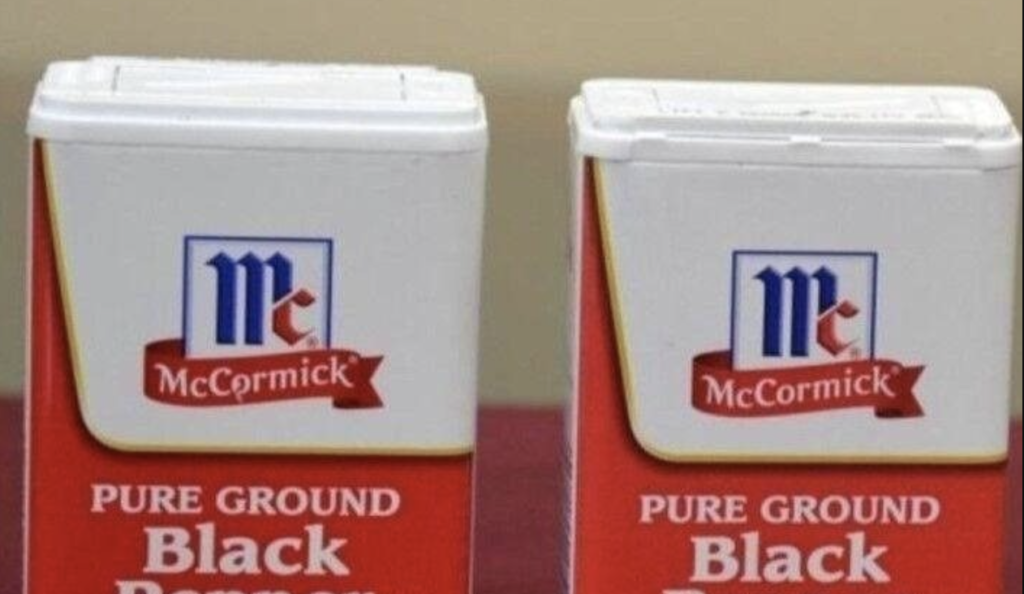
The dispute began after McCormick reduced the quantity of pepper in one of its widely sold containers. A package that previously held close to eight ounces was adjusted to contain roughly six ounces, a decrease of about twenty five percent. While the amount inside changed, the container itself retained a familiar shape and overall appearance. According to Watkins, this redesign creates a visual impression that the product remains the same size and value it once was, even though the quantity has been reduced.
Watkins argues that this presentation places competing products at a disadvantage. McCormick’s pepper containers are opaque, preventing customers from seeing the actual volume of spice inside. Watkins, on the other hand, uses smaller transparent containers that clearly show their contents. Watkins maintains that both companies now sell a similar amount of pepper, yet McCormick’s packaging appears larger and fuller on store shelves. From Watkins’ perspective, this visual effect influences consumer perception and undermines fair competition.
Concerns Raised by the Legal Challenge
At the center of the lawsuit is the claim that packaging design can mislead customers without altering a single word on the label. Watkins asserts that the unchanged container size encourages shoppers to believe they are purchasing more pepper than they actually are. This belief, they argue, affects buying decisions and creates an uneven playing field.
McCormick has responded by emphasizing that accurate net weight information is printed on its containers, stating that consumers have access to the facts needed to make informed choices. Critics, however, point out that companies understand how most people shop. Visual impressions formed in a few seconds often carry more weight than small print, especially during routine grocery trips.
This disagreement has expanded further with the emergence of a class action lawsuit filed by McCormick customers. These consumers claim that the packaging led them to believe they were purchasing the same quantity as before, only to discover otherwise later. The matter is now being examined in federal court, drawing attention to how packaging communicates value and honesty.
How Shoppers Are Affected
For everyday consumers, the effects are both economic and psychological. Many shoppers associate larger containers with better value, assuming more product is included. When two pepper tins appear side by side, the larger looking option can seem like the smarter purchase, even when the actual contents match. This perception may lead people to spend more money without receiving additional value.
Over time, repeated experiences like this can erode confidence in brands. Customers expect consistency, especially from companies with long histories. When changes feel hidden or unclear, disappointment often follows.
The Role of Trust in Brand Relationships
Beyond legal outcomes, this situation highlights the importance of trust between companies and their customers. Brand loyalty is built through transparency and reliability, developed over many years. Once consumers feel misled, rebuilding that trust becomes challenging.
The McCormick and Watkins dispute serves as a reminder that ethical business practices extend beyond technical compliance. Clear labeling alone may not be enough if overall presentation encourages misunderstanding. As consumers become more attentive and informed, companies face increasing pressure to ensure that product changes are communicated openly.
In the end, this case demonstrates that even small design choices can influence purchasing behavior in meaningful ways. It underscores the responsibility businesses carry to align presentation with reality and shows how attention to detail remains essential for long term credibility and success.