What Are Those Tiny Clingers on Your Pants?
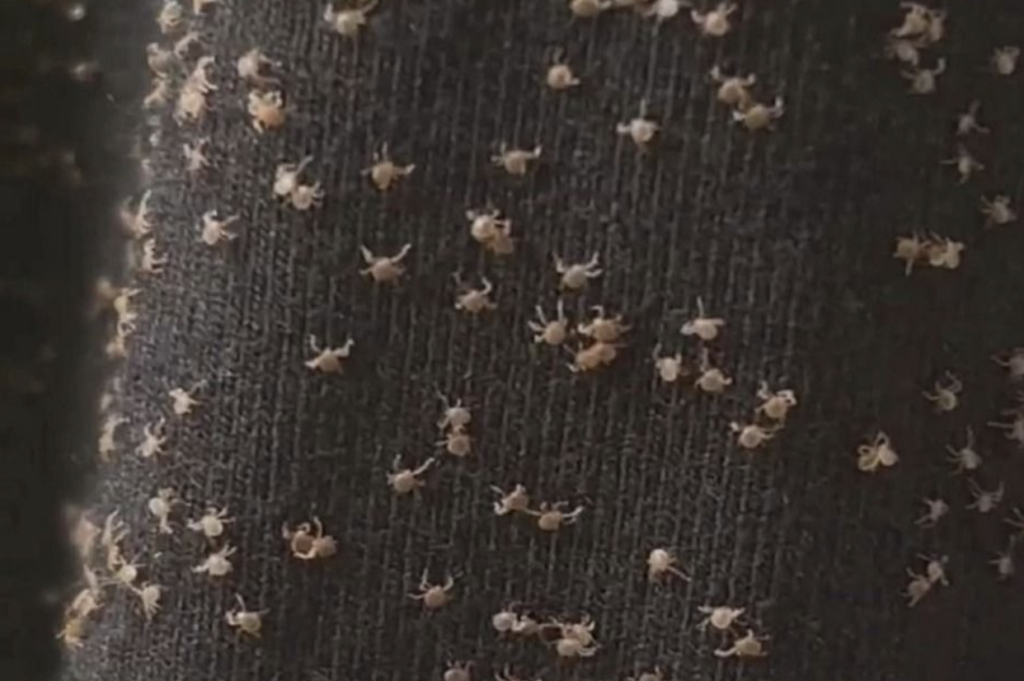
Have you ever returned from a quiet walk through a park, meadow, or wooded trail and noticed that your pant legs were suddenly covered in tiny, stubborn specks? It can be surprising to look down and see fabric dotted with small objects that seem determined to stay put. That moment often sparks curiosity and maybe a bit of concern. Are they insects, dirt, or something unfamiliar picked up along the way?
If this has happened to you, there is no need for alarm. What you are seeing is far more ordinary than it first appears, and it also happens to be a fascinating example of how nature works quietly and efficiently all around us.
The Real Explanation Behind the Cling
Those small objects attached to your pants are almost always plant seeds. They are commonly known as burrs, stickseeds, or hitchhiker seeds. Rather than being a nuisance created by chance, they are part of a natural strategy plants have developed over thousands of years to survive and spread.
Plants cannot move on their own, so they rely on external forces to carry their seeds to new locations. Some depend on wind. Others rely on animals that eat fruit and later disperse seeds elsewhere. Another group, including the ones clinging to your clothing, uses direct contact as their method of travel.
When you walk through tall grass, brush, or wild plants, your clothing becomes the perfect vehicle.
How These Seeds Hold On So Well
If you examine these seeds closely, their design becomes clear. Many of them are equipped with tiny hooks, barbs, or hair-like structures that latch onto fabric, shoelaces, or animal fur with surprising strength. Some have rough surfaces that grip fibers, while others produce natural sticky coatings that increase their ability to cling.
These features are not accidental. They are finely tuned adaptations that allow the seed to stay attached long enough to be transported away from the parent plant. Once the seed eventually falls off, it has a chance to grow in a new area where resources may be more plentiful.
This process helps prevent overcrowding and increases the plant’s chances of survival.
Common Plants Responsible for These Hitchhikers
The specific type of seed you encounter often depends on where you live and the environment you walked through. Some plants are especially well known for leaving their mark on clothing.
Beggar’s lice, also called tick trefoil, produces small, flat seeds that cling tightly to fabric and resemble tiny pieces of Velcro. Burdock creates larger, round burrs with stiff hooks that famously inspired the invention of hook-and-loop fasteners. Goosegrass, sometimes called cleavers, has soft, fuzzy seeds that attach easily to clothing and skin. Sandbur and needle grass produce sharp, pointed burrs that can even work their way through socks and shoes.
If your walk took you through tall grass or unmanaged fields, encountering one of these plants is very likely.
Why They Appear Suddenly and in Groups
Many people are surprised by how quickly these seeds accumulate. One moment your clothes are clean, and the next they seem covered. This happens because a single brush against a mature plant can release dozens of seeds at once. Since they are designed to spread efficiently, they often attach in clusters rather than one at a time.
This sudden appearance can feel dramatic, though it is simply nature doing what it has always done.
How to Remove Them Without Frustration
Removing hitchhiker seeds can take a little patience, especially when they are deeply embedded in fabric. The most effective approach is to deal with them before going indoors, where they could drop onto carpets or furniture.
A lint roller or a strip of duct tape works well for lifting seeds off gently. For stubborn burrs, tweezers or a fine-tooth comb can help pull them free without damaging the fabric. Brushing clothing outdoors is helpful, as it prevents seeds from spreading inside your home.
Washing your clothes afterward is a good idea, as some seeds can remain attached through multiple wears if not properly removed.
If you were walking with a pet, checking their fur is equally important. These seeds attach easily to animals and can cause discomfort if left unnoticed.
A Quiet Reminder From Nature
While they can be inconvenient, these tiny hitchhikers are also a reminder of how interconnected people and nature remain. A simple walk through a field becomes part of a plant’s life cycle, carrying its future to new ground without either side planning it.
The next time you notice seeds clinging to your pants, you may still sigh at the extra cleanup. Yet you might also pause to appreciate the cleverness behind something so small. Nature often leaves its mark in subtle ways, asking only that we pay attention.