We often hear that seven hours of sleep is the gold standard for good health. Doctors, wellness coaches, and even phone apps remind us nightly to prioritize rest. Yet for many people, stress, late-night screen time, shift work, or environmental noise interfere with that goal. Insomnia related to anxiety has become increasingly common, and modern lifestyles rarely slow down enough to support consistent sleep patterns.
Recently, sleep technology company Simba explored the physical impact of insufficient rest using artificial intelligence. By combining survey data with visual modeling, researchers illustrated how sleep deprivation may gradually affect the body’s appearance and internal balance. Experts now warn that ongoing sleep loss could influence far more than morning alertness — it may affect hormones, skin health, metabolism, and even digestion.
Hormonal Fluctuations
Simba surveyed 2,175 adults across the United Kingdom, collecting information about their sleep habits, perceived health, and physical changes. The data was processed using AI imaging tools to simulate how sleeping fewer than seven hours per night could alter visible traits over time.
Lisa Artis, Deputy CEO of The Sleep Charity and Simba’s charity partner, emphasized that the consequences extend beyond fatigue. According to Artis, elevated cortisol — the body’s primary stress hormone — is one of the most significant changes associated with sleep deprivation.
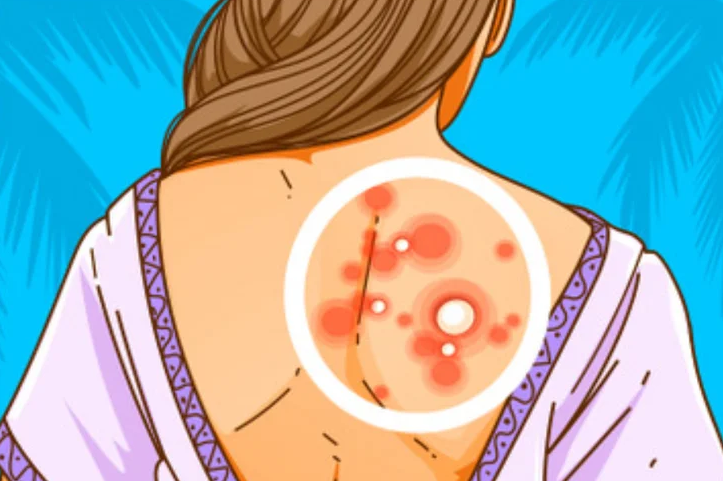
When cortisol levels remain high, inflammatory responses in the body may intensify. Skin conditions such as eczema and psoriasis can become more noticeable, and irritation or redness may increase. Hormonal imbalance also influences mood, appetite, and immune response, creating a chain reaction that affects multiple systems at once.
Skin as the First Indicator
The skin often reflects internal stress before other symptoms become obvious. Reduced sleep can decrease blood circulation to the skin’s surface, which may cause a dull or uneven complexion. Without adequate nighttime recovery, the natural glow associated with healthy circulation may fade.
Among participants reporting insufficient sleep, 24% experienced heightened skin sensitivity. Other concerns included eczema (16%), psoriasis (7%), and a noticeably tired complexion (10%).
During restful sleep, the body increases blood flow to the skin and activates repair mechanisms that rebuild collagen and support cellular turnover. When sleep is shortened, that restorative window narrows. Over time, this can lead to dryness, irritation, and a less vibrant appearance.
Brittle Nails and Cellular Repair
Sleep deprivation may also influence nail health. Fifteen percent of respondents who reported inadequate rest noted brittle or weakened nails. While this connection may appear surprising, it aligns with the body’s nighttime repair processes.
Cells regenerate most efficiently during deep sleep cycles. When those cycles are interrupted, tissues — including nails — may not receive sufficient nutrients and repair signals. Consistency in rest appears to support stronger keratin production, which is essential for durable nails.
Weight Gain and Metabolic Shifts
Another key finding from the survey involved body weight and appetite regulation. Among those who slept fewer than seven hours per night, 26% were classified as overweight, and 32% reported bloating.
During sleep, the body regulates ghrelin and leptin — hormones that control hunger and fullness. Ghrelin stimulates appetite, while leptin signals satisfaction after eating. Without adequate rest, ghrelin levels can rise while leptin decreases. This imbalance may increase cravings, particularly for sugary or calorie-dense foods.
Artis also noted potential gender differences. Hormonal shifts may cause women to accumulate fat more prominently around the hips and thighs, while men may notice increased abdominal fat linked to reduced testosterone levels. These patterns reflect the complex interplay between sleep and endocrine function.
Body Temperature Regulation
Circadian rhythms govern internal temperature regulation. Insufficient sleep can disrupt this rhythm, making it harder for the body to maintain stable warmth in extremities. Some individuals report cold hands or feet during periods of chronic sleep loss.
Temperature fluctuations may indicate that the body’s regulatory systems are struggling to adjust without adequate rest.
Digestive Disruptions
Emerging research also links sleep disturbances with digestive irregularities, including constipation. Studies suggest that individuals with persistent sleep deprivation may face a higher risk of gastrointestinal imbalance.
Sleep supports coordinated muscle contractions in the digestive tract. When rest is inconsistent, this rhythm may slow, contributing to discomfort or irregularity.
How Much Sleep Is Enough?
The National Health Service recommends that healthy adults aim for seven to nine hours of sleep per night. However, individual needs vary based on age, lifestyle, and overall health. Teenagers and children require additional rest to support growth and development, while newborns may sleep between eight and sixteen hours daily.
Ultimately, sleep is not a luxury — it is a biological necessity. From hormone regulation to skin renewal and metabolic balance, the body relies on uninterrupted rest to function efficiently. Recognizing the visible and invisible signs of sleep deprivation can empower individuals to prioritize restorative habits and protect long-term well-being.