Acne is often the body’s way of signaling that something within its system may need attention. While acne can arise from daily habits, environmental triggers, or skincare choices, there are situations where breakouts reflect internal imbalances that deserve a closer look.
The following information highlights what breakouts in eight different areas of the body may indicate. This guide is meant to support awareness, not replace professional evaluation.
Always consult a qualified healthcare provider for medical advice, diagnosis, or treatment.
1. Acne on the nose
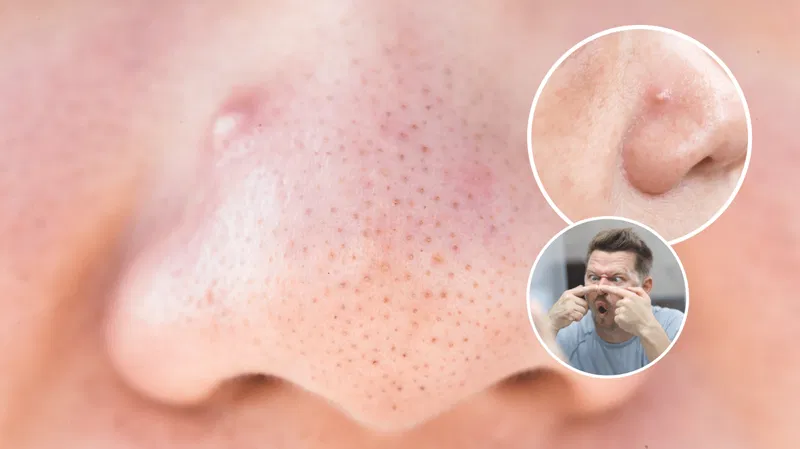
The pores on the nose are naturally larger than in many other areas of the face, which makes this region more vulnerable to buildup. Larger pores can trap bacteria more easily, and the nose tends to produce more oil, increasing the likelihood of breakouts.
While stress, diet, and hormonal shifts may influence this area, poor hygiene and pore congestion remain common contributors. Adding tea tree oil to your routine, or using formulas with sodium sulfacetamide and sulfur, may help discourage bacterial growth when used correctly.
2. Acne on the forehead
Many breakouts on the forehead can be linked to excess oil production. If it is not connected to medications, hormonal changes, or elevated stress levels, forehead acne may appear due to oils transferred from the hair.
Hair products such as waxes, gels, and heavy conditioners may also play a role if they clog pores along the hairline. A gentle, well-matched cleanser and careful selection of hair products can help manage this area.
3. Acne around the mouth
Touching the skin around the mouth can quickly lead to breakouts. This area is sensitive and easily clogged by oils, bacteria, or residue transferred from hands. At times, acne around the mouth may also relate to hormonal patterns, genetics, cosmetics, or even frequent use of certain musical instruments.
A mild cleanser and non-comedogenic, oil-free products are helpful. If breakouts around this area occur regularly, seeking advice from a dermatologist is recommended.
4. Acne on the jaw and neck
Breakouts in the jawline and neck area are often associated with hormonal fluctuations. These shifts can increase androgen levels, which can cause glands to produce more oil.
Acne in these regions may appear during menstrual cycles, when adjusting birth control, or during broader hormonal changes. Using a gentle, non-comedogenic cleanser and an appropriate acne treatment may help maintain balance.
5. Acne on the cheeks
Touching the face frequently is one of the leading causes of cheek breakouts. Dirty pillowcases, sheets, and phone surfaces can also transfer bacteria onto the skin.
Cheek acne may sometimes be influenced by hormonal changes, but in many cases, simple routine adjustments can make a difference. Keeping hands clean, wiping down phones, and changing bedding regularly may reduce irritation.
6. Acne on the back
Back acne may develop from reactions to certain creams, lotions, or cosmetic products. Sweat can also contribute. When sweat combines with toxins and surface oils, it can clog pores and lead to breakouts.
Poor hygiene habits, unwashed clothes, or dirty bedding can irritate the skin and create conditions for acne. Stress may also play a role. Thorough cleansing of the back and regular changes of clothes, blankets, and pillowcases can be helpful.
7. Acne on the legs
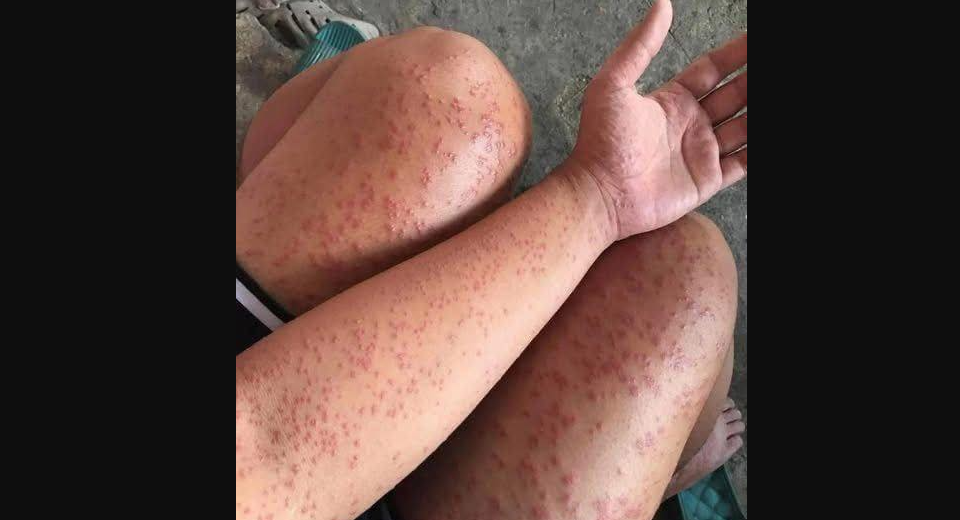
Breakouts on the legs typically arise from physical irritation. Clothing that rubs against the skin or sports equipment that creates friction can irritate hair follicles and lead to inflammation.
Some conditions can be mistaken for acne, including folliculitis, eczema, or keratosis pilaris. If the bumps itch, hurt, or persist, a medical evaluation is recommended.
8. Acne on the chest
The skin on the chest is sensitive and can react to detergents, fabric softeners, or tight clothing. Acne in this area may appear when the skin becomes irritated by these products.
Choosing sulfate-free, fragrance-free, or hypoallergenic detergents may help. Body lotions with pore-clogging ingredients can also trigger breakouts, so selecting oil-free and non-comedogenic formulas is beneficial.
Do you experience acne in any of these areas? Did this explanation help you understand the possible reasons behind it? Share your experience or thoughts in the comment section below if you’d like a deeper exploration of any specific area or cause.