A recent appointment to a prominent federal position in New York has attracted widespread attention, not only because of the authority tied to the role, but also due to public statements made by its new leader years before taking office. For many Americans who closely monitor changes in government leadership, the development has sparked careful interest and discussion.
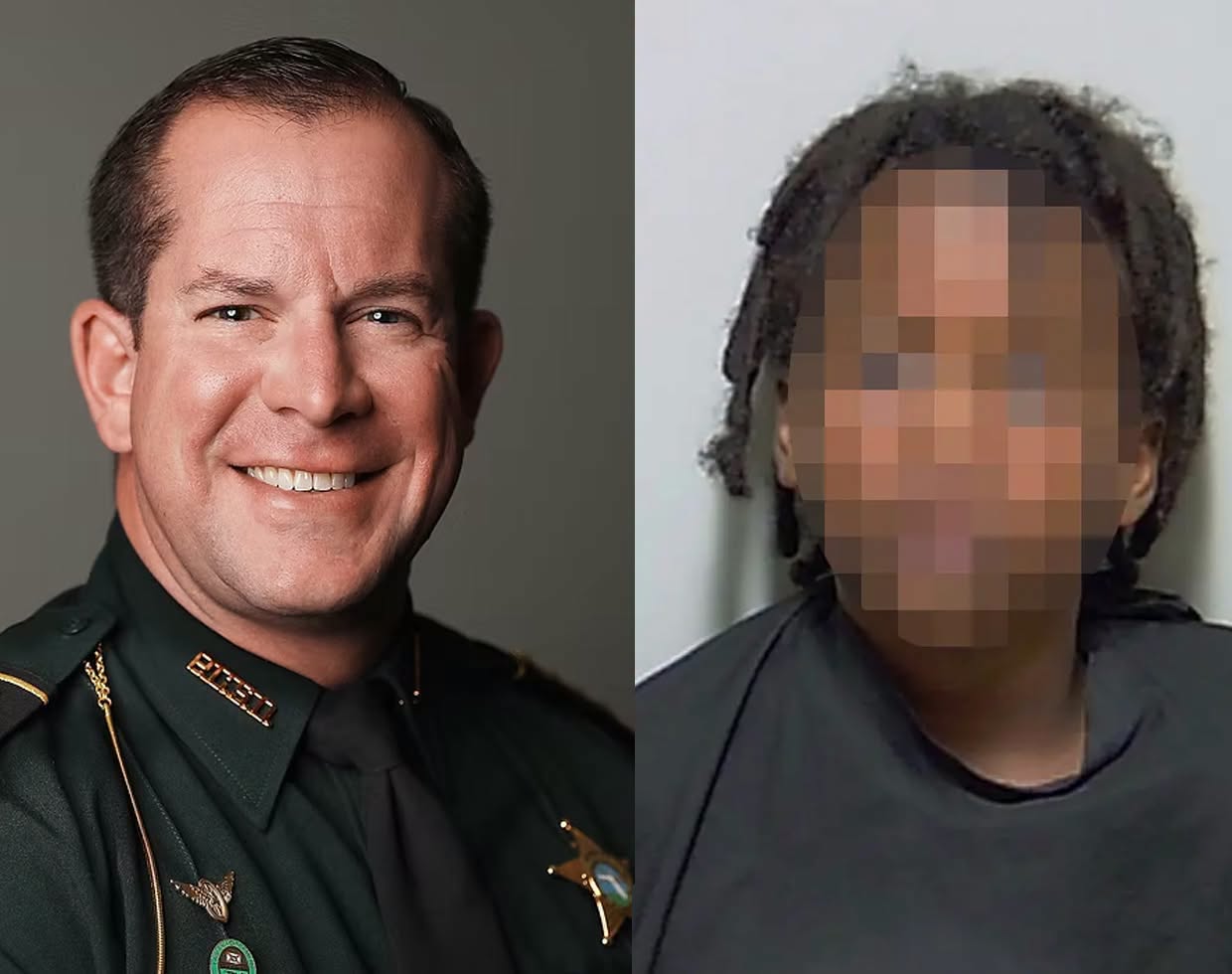
The designation of John A. Sarcone III as interim U.S. Attorney for the Northern District of New York placed him immediately in the national spotlight. The position carries significant responsibility, overseeing federal prosecutions and legal priorities across a large and diverse region of the state. Because interim appointments do not require Senate confirmation, Sarcone assumed the role swiftly under established federal procedures.
Sarcone brings decades of experience as a private attorney from Westchester County, along with involvement in political campaigns throughout his career. Although he has not previously served as a federal prosecutor, he addressed this point directly during his swearing-in ceremony in Albany. He explained that strong judgment, professional maturity, and a broad understanding of people and consequences are, in his view, essential qualities for the role. He emphasized that his approach will rely on steady decision-making informed by a wide range of life and professional experiences.
During his remarks, Sarcone spoke about public service as something that extends well beyond courtroom proceedings. He described the work of a prosecutor as one that requires balance, restraint, and fairness, noting that legal authority must be exercised with awareness of its impact on individuals and communities. He stated that common sense and thoughtful evaluation would guide his leadership as he begins overseeing federal cases in the region.
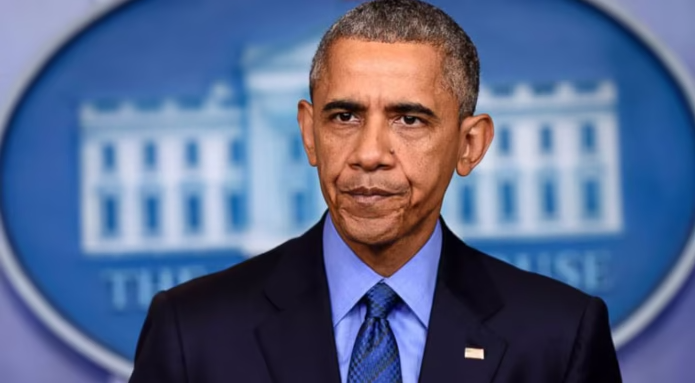
Public interest, however, has also focused on comments Sarcone made online several years ago. Before entering federal service, he posted strong criticism of several national political figures, including former presidents and a former cabinet official. These posts have resurfaced following his appointment, prompting questions from observers about how past expressions align with the impartial responsibilities of his current position.
Since stepping into office, Sarcone has not publicly revisited those remarks. Instead, he has concentrated on outlining the priorities he believes are most relevant to the Northern District of New York. Among these priorities is consistent enforcement of federal law throughout the district, particularly in areas affected by cross-border activity along the U.S.–Canada boundary. He emphasized coordination with partner agencies tasked with maintaining safety and security in border regions.
Sarcone also highlighted his intention to focus on matters that affect residents directly, including consumer protection, fraud prevention, and public integrity. He spoke about safeguarding trust in institutions and ensuring that federal oversight addresses misconduct that harms individuals and communities.
Another area he mentioned involves educational institutions. Sarcone indicated that his office may take a more active role in ensuring that students on college campuses feel able to express their religious beliefs freely, without fear of pressure or mistreatment. He described fostering a safe and respectful environment as part of his office’s responsibility and noted that federal attention could extend to those who knowingly enable unlawful conduct.
Shortly after Sarcone’s appointment, national attention shifted to a separate announcement involving federal law enforcement efforts on the East Coast. Federal Bureau of Investigation officials confirmed the arrest of an individual described as a senior leader within a violent criminal organization operating domestically and internationally. The arrest occurred in Woodbridge, Virginia, following a coordinated operation involving multiple agencies.
Authorities stated that the individual had played a significant role within the organization and described the arrest as a meaningful step in ongoing efforts to disrupt criminal networks. Senior officials monitored the operation from a nearby command center, emphasizing that it was carried out with careful planning and attention to safety.
Federal leaders later explained that the arrest was part of a broader strategy aimed at reducing violent activity across several states. They pointed to increased cooperation among agencies and credited joint efforts for producing measurable progress in public safety initiatives.
In public remarks following the operation, senior justice officials reiterated that strengthening community safety remains a top priority. They acknowledged the work of agents and teams involved, highlighting the preparation required to carry out complex enforcement actions effectively.
Another Justice Department representative reaffirmed that federal task forces will continue to operate wherever needed nationwide. Officials stressed that consistent enforcement of federal law is essential to ensuring that communities can rely on protection from organized criminal activity.
Taken together, these developments mark a period of transition and heightened activity within federal law enforcement. As Sarcone settles into his interim role in New York, observers will be watching how his leadership unfolds, how his stated priorities are implemented, and how his office collaborates with national efforts aimed at public safety.
For many Americans, especially older adults who closely follow governance and civic responsibility, the coming months are expected to offer clearer insight into how this new chapter in federal leadership will take shape.