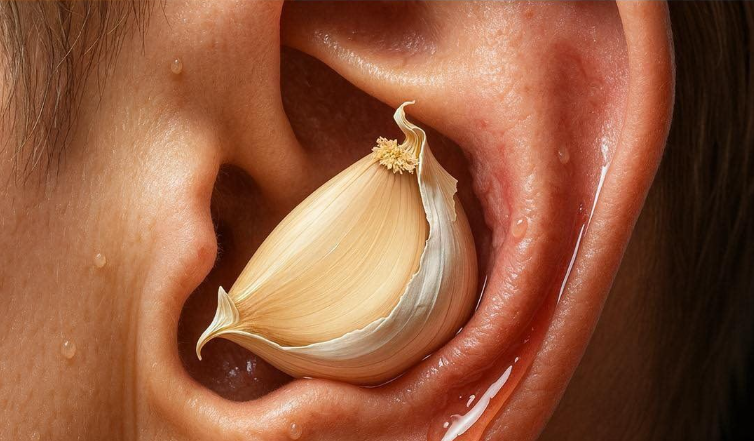
Garlic has held a respected place in natural medicine for centuries, valued for its ability to support the body in many ways. Among its lesser-known uses is ear care. From soothing discomfort to supporting a clean ear canal, garlic has been used by many cultures as a gentle, plant-based option for addressing common ear concerns. Earaches, mild irritation, and wax buildup are situations where garlic has traditionally been applied with care, offering support without relying on synthetic ingredients.
This long-standing tradition continues today, as more people seek natural approaches to personal health. Garlic’s usefulness for ear wellness comes from its unique composition and the way its compounds interact with the body. Understanding how garlic works, how it is applied, and what precautions matter most allows it to be used thoughtfully and responsibly.
Why Garlic Supports Ear Wellness
Garlic, known scientifically as Allium sativum, contains several active compounds that contribute to its reputation as a natural protector. One of the most studied is allicin, a sulfur-based compound released when garlic is crushed or gently heated. Allicin is recognized for its antibacterial, antifungal, antiviral, and anti-inflammatory qualities. These characteristics make garlic especially suitable for supporting areas of the body that are sensitive and prone to irritation, including the ears.
The ear canal creates a warm environment where bacteria, fungi, and debris may accumulate. Garlic’s natural properties help create conditions that discourage unwanted microbial growth while supporting comfort and balance.
Five Ways Garlic Supports Ear Health
Garlic has been traditionally associated with several ear-related benefits, especially when prepared as an infused oil and applied correctly.
Helping Ease Mild Ear Infections
Garlic’s antibacterial activity supports the body’s natural defenses when mild outer or middle ear discomfort arises. Its compounds interact with bacteria commonly associated with ear irritation. While medical care remains essential for persistent or severe symptoms, garlic has been used as a complementary option to support comfort during early or minor issues.
Reducing Inflammation and Discomfort
Earaches often involve swelling or irritation within the ear canal. Garlic oil contains natural sulfur compounds that help calm inflamed tissue and promote a sense of relief. This can be especially supportive during seasonal congestion or sinus-related pressure that affects the ears.
Softening Earwax Naturally
Earwax plays an important role in protecting the ear, though buildup can sometimes cause discomfort or muffled hearing. Garlic infused oil has a gentle consistency that helps soften hardened wax. This supports safer removal and reduces the risk of irritation caused by dry or compacted buildup.
Supporting Fungal Balance
Certain ear discomforts are linked to fungal overgrowth. Garlic’s antifungal properties have been studied for their ability to discourage organisms such as Candida. When used appropriately, garlic oil may support balance within the ear canal and reduce itching or irritation linked to fungal activity.
Encouraging Overall Ear Cleanliness
Regular ear hygiene contributes to long-term comfort. Garlic oil has been used to help maintain a clean ear environment by supporting the body’s natural ability to keep microbial populations in check. This contributes to a balanced setting that is less likely to develop recurring irritation.
How Garlic Is Commonly Used for Ear Care
Garlic is most often applied in the form of infused oil rather than raw cloves. The infusion process allows beneficial compounds to be transferred into a gentle carrier oil, such as olive oil. This form is easier to apply and less likely to irritate sensitive tissue.
A small amount of warm, strained garlic oil is traditionally placed near the opening of the ear while lying on one side. The oil is allowed to sit briefly before being gently drained. Only a few drops are used, and the oil should always be comfortably warm, never hot.
Important Safety Considerations
Natural remedies still require care. Garlic oil should never be placed into an ear with a suspected eardrum injury, ongoing drainage, or severe pain. Any persistent symptoms should be evaluated by a healthcare professional. Garlic oil must be well strained to remove particles, and patch testing on skin is recommended for those with sensitivities.
Pregnant individuals, children, and those with chronic ear conditions should consult a medical provider before using home remedies.
A Time-Honored Plant With Modern Relevance
Garlic’s role in ear care reflects its broader place in natural wellness traditions. Its supportive properties, combined with careful preparation and thoughtful use, allow it to serve as a gentle option for maintaining ear comfort. While it does not replace professional medical care, garlic continues to be appreciated as a natural ally, offering centuries of wisdom in a simple, familiar plant.