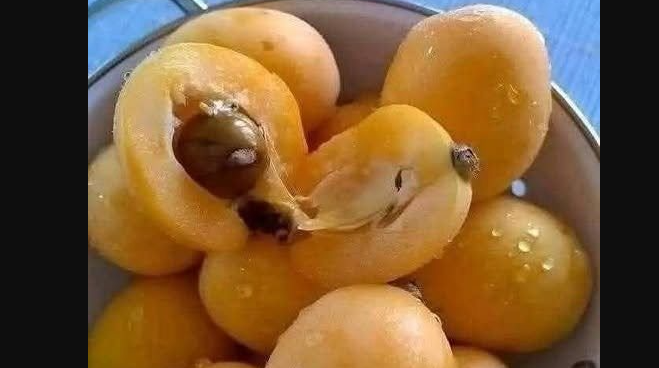
This traditional apricot jam recipe captures the warmth and brightness of summer and preserves it in a simple glass jar. Made with ripe Mishmish apricots, it follows a time-honored approach that highlights the fruit’s natural sweetness while producing a rich, thick texture without relying on added pectin. The process respects the character of the apricots, allowing their flavor, aroma, and color to shine through in a way that feels both comforting and authentic.
A defining step in this method is allowing the apricots and sugar to rest together before cooking begins. During this resting period, the sugar draws out the fruit’s natural juices, creating a light syrup that forms the foundation of the jam. This step enhances flavor development and supports thickening during cooking. By the time heat is applied, the mixture already holds depth, fragrance, and balance, setting the stage for a beautifully finished preserve.
To prepare this jam, gather fresh Mishmish apricots, granulated sugar, freshly squeezed lemon juice, and a small amount of water if needed. Begin by washing the apricots carefully under cool running water to remove any surface residue. Cut each apricot in half and remove the pits. Peeling the fruit is optional. Leaving the skins intact adds a deeper color and a rustic texture, while peeling produces a smoother, more uniform jam.
After preparing the apricots, chop them into small, even pieces. This step helps the fruit cook evenly and break down at a consistent pace. Transfer the chopped apricots to a heavy-bottomed pot, then add the sugar and lemon juice. Stir thoroughly so the fruit is evenly coated. Set the pot aside at room temperature and allow the mixture to rest for approximately thirty minutes.
As the apricots sit, their juices begin to release, dissolving the sugar and forming a natural syrup. This transformation is essential, as it prevents scorching later and encourages even cooking. When the resting time is complete, place the pot over low to medium heat and slowly bring the mixture to a gentle simmer.
Stir occasionally, paying attention to the bottom of the pot to prevent sticking. Adjust the heat as needed to maintain a steady, controlled bubble. As the apricots soften, they begin to collapse into the syrup. At this stage, you may lightly mash the fruit with a spoon for a smoother consistency or leave small pieces intact for a more traditional, textured jam.
The cooking process typically lasts between thirty and fifty minutes, depending on the fruit’s ripeness and the thickness you prefer. As the jam cooks, foam may rise to the surface. Skimming it off helps achieve a clearer finish. The kitchen gradually fills with a warm, sweet aroma balanced by gentle acidity from the lemon juice.
To determine when the jam is ready, perform a simple plate test. Spoon a small amount onto a chilled plate and allow it to cool briefly. Gently push the jam with your finger. If the surface wrinkles and holds its shape, the jam has reached the desired consistency. If it remains loose, continue cooking and test again after several minutes.
Once the jam is ready, carefully pour it into clean, sterilized jars. Seal them immediately while hot. The jam can be stored in the refrigerator for several weeks. For longer storage, a water-bath method can be used to preserve the jars safely.
This apricot jam pairs beautifully with toasted bread, warm pastries, or stirred into yogurt. It can also be used as a filling for cakes and cookies or served alongside soft cheeses. Each spoonful carries the flavor of ripe fruit and careful preparation, making this recipe a lasting favorite that brings a taste of sunshine to the table year after year.