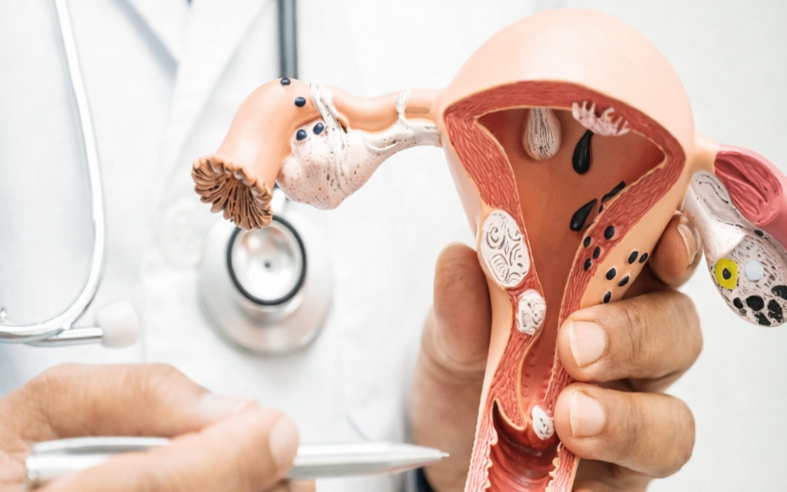
There are countless beliefs surrounding menstruation. Some have been passed down through generations, others spread through social media, and many are repeated so often that they begin to sound like facts. Even when certain claims seem exaggerated or outdated, doubts can linger. Because menstrual health is deeply personal and sometimes misunderstood, it’s important to separate assumption from evidence.
Below are some of the most common myths and truths about menstruation, explained clearly and based on current medical understanding.
Myth: If I have my period, I can’t get pregnant.
This statement is false. Although pregnancy during menstruation is less likely, it is not impossible. Sperm can survive inside the female reproductive tract for up to five days. If a woman has a shorter menstrual cycle and ovulates soon after her period ends, sperm present from intercourse during menstruation may still fertilize an egg. While the probability is lower compared to other times in the cycle, it cannot be ruled out entirely.
Truth: Menstruation can cause temporary anemia.
This is possible in certain cases. On average, a woman loses about 30 milliliters of blood during her period. However, some women experience heavier bleeding, losing up to 80 milliliters or more. When blood loss is significant, iron levels may drop, potentially leading to temporary anemia. Symptoms can include fatigue, weakness, pale skin, or dizziness. Women who suspect heavy bleeding or persistent tiredness should consult a healthcare professional for evaluation and guidance.
Truth: The duration and experience of menstruation may vary depending on climate.
Research suggests that environmental factors can influence menstrual patterns. In regions with clear seasonal changes, some women report increased discomfort during colder months. Experts have observed that ovarian activity may be more active during warmer seasons, which could influence cycle length. While climate is not the primary driver of menstrual changes, it may contribute to subtle variations in symptoms and duration.
Myth: When women spend a lot of time together, their periods synchronize.
This idea is often described in a romantic or symbolic way, but scientific studies have not consistently supported it. Earlier research suggested the possibility of menstrual synchrony among women who live or work closely together. However, more recent and larger studies indicate that perceived synchronization is likely due to chance rather than a biological mechanism. Simply spending time with other women does not reliably align menstrual cycles.
Myth: If I go in the water, my period will automatically stop.
Menstrual flow does not permanently stop in water. Some women notice reduced visible flow while swimming or bathing, which can be influenced by water pressure and body position. However, menstruation continues internally. Once out of the water, flow resumes as normal. This is why many women choose to use appropriate menstrual products while swimming to maintain comfort and confidence.
Myth: Irregular periods mean I will have difficulty getting pregnant.
Irregular cycles can sometimes indicate hormonal imbalances or underlying conditions, but irregularity alone does not automatically mean infertility. Many women with irregular cycles conceive successfully. That said, consistently unpredictable cycles may make ovulation timing harder to track. Anyone concerned about cycle irregularity and fertility should speak with a medical professional for personalized evaluation.
Partial Truth: If I take birth control pills, I don’t have a “real” period.
Hormonal birth control pills prevent ovulation. The bleeding that occurs during the placebo or break week is known as withdrawal bleeding, triggered by a drop in hormone levels rather than by the natural ovulation cycle. While it resembles a typical period, it is hormonally different from a natural menstrual cycle. Nonetheless, it remains a normal and expected response to the pill regimen.
Understanding menstrual health requires reliable information. Myths can create unnecessary anxiety, while accurate knowledge empowers women to make informed decisions about their bodies. Menstruation is a natural biological process, and open, evidence-based conversations help reduce confusion and stigma. If unusual symptoms, heavy bleeding, severe pain, or irregular patterns occur, seeking medical advice ensures appropriate care and reassurance.
By separating fact from fiction, women can approach their health with confidence and clarity.