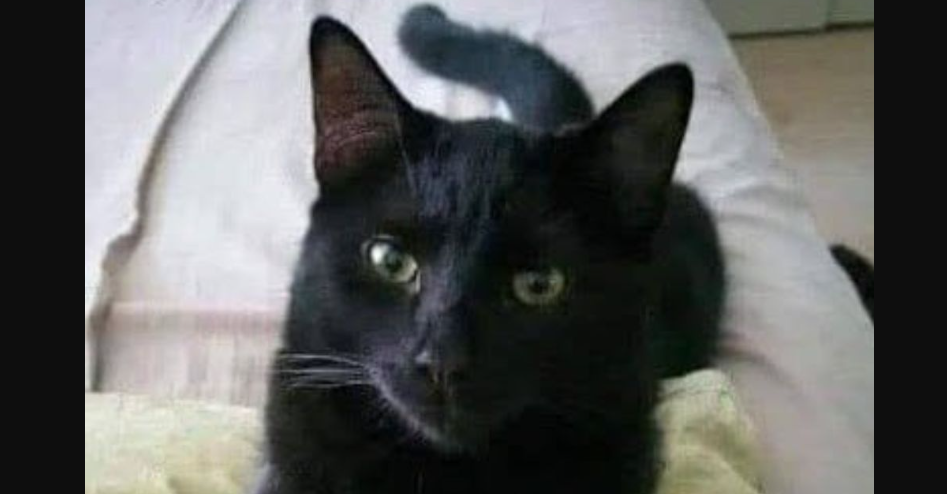
Have you ever paused for a moment when a black cat suddenly crossed your path or walked directly toward you? Encounters like these have carried layers of symbolism for centuries. Depending on the era and region, black cats have been viewed as symbols of caution or as signs of opportunity. The meaning people attach to such a moment often comes from personal beliefs and cultural traditions rather than anything the animal intends.
Throughout medieval history in Europe, black cats were frequently misunderstood. Their dark fur and their comfort moving around at night made them subjects of suspicion. Many communities linked them to witchcraft or mysterious forces, and those beliefs became deeply rooted in local folklore even though they had no basis in fact.
The consequences of these ideas were significant. Widespread efforts to remove cats from towns and villages reduced natural pest control. Without cats, rodent populations increased rapidly, contributing to poor sanitation and the spread of disease. These historical events illustrate how fear-driven myths can shape real, unintended outcomes.
In other parts of the world, black cats were welcomed with an entirely different perspective. In Japan, they were seen as symbols of good fortune, often associated with new beginnings, prosperity, and positive encounters. Some believed that a black cat visiting a home signaled the arrival of favorable opportunities.
Within certain regions of the United Kingdom, especially coastal towns, black cats carried a reputation for protection. Sailors viewed them as guardians who could watch over families while they were at sea. For many seafaring communities, owning a black cat or caring for one was considered a meaningful gesture tied to safety and hope.
Even farther back in time, ancient cultures such as those in Egypt held deep respect for cats of all kinds. Black cats were seen as connected to harmony, household protection, and spiritual balance. Their presence in homes was considered a blessing, and harming a cat was viewed as a serious violation.
In today’s world, black cats often appear in themes connected to mystery, autumn imagery, or cultural celebrations. Yet beyond symbolism, many people admire black cats for their personality, intelligence, and calm presence. Animal behavior experts explain that a cat approaching a person is usually responding to subtle cues, such as body language, scent, or familiarity. A calm or welcoming demeanor often attracts cats in general, regardless of their color.
This means that when a black cat crosses your path or pauses to look your way, the moment may be less mysterious than it appears. The animal could be exploring, seeking attention, or simply moving toward something that caught its interest. Any deeper meaning comes from the interpretation we create based on our traditions, upbringing, and intuition.
Still, the stories surrounding black cats remain an enduring part of global folklore. Some people enjoy the idea of a symbolic encounter, while others appreciate the reminder that our beliefs shape how we experience daily moments.
Whether seen as a sign of good luck, a piece of old superstition, or an everyday interaction with a curious animal, a black cat’s appearance continues to spark fascination. And for many, that small spark of wonder is part of what keeps the legend alive through the centuries.