There is a kind of exhaustion that lingers even after a full night’s sleep. It shows up as constant yawning, heavy limbs, and a sense that your usual energy never fully returns. Many people attribute this feeling to long work hours, stress, or restless nights. While those factors certainly play a role, there can also be nutritional reasons behind persistent fatigue.
One possibility that often goes unnoticed is low Vitamin B12. This essential nutrient supports the production of red blood cells, which carry oxygen throughout the body. When B12 levels drop, oxygen delivery can become less efficient. As a result, energy levels may decline more quickly than expected. Although tiredness has many potential causes, understanding the role of B12 can help explain why fatigue sometimes feels deeper than ordinary weariness.
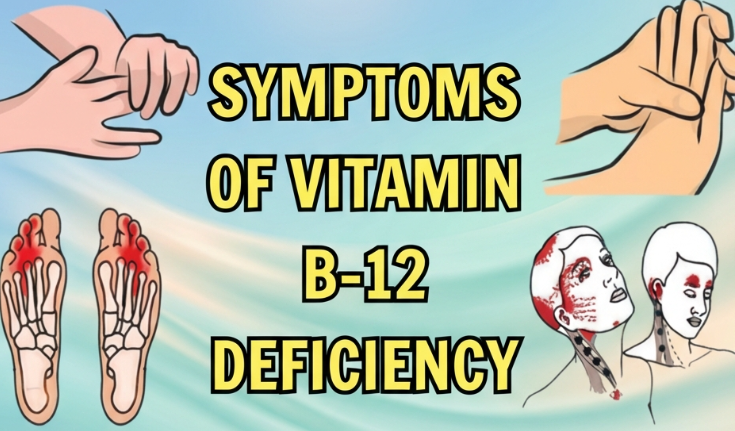
Vitamin B12 plays a key part in maintaining nerve health as well. Nerves rely on it to function properly and maintain their protective coverings. When levels are insufficient, some individuals report a tingling or “pins-and-needles” sensation in their hands or feet. This sensation may come and go at first, making it easy to dismiss. Over time, however, it can become more noticeable.
Physical appearance can also offer subtle clues. Some people with low B12 levels notice that their skin appears paler than usual. In certain cases, there may be a faint yellowish tint. These changes may develop gradually and are often overlooked because they do not always cause discomfort. Paying attention to small shifts can provide early insight into nutritional balance.
Mental clarity may also be affected. Vitamin B12 contributes to brain function and cognitive performance. When levels are low, individuals might find it harder to concentrate or remember details. Tasks that once felt simple may require more effort. Mood changes can occur as well. Irritability, low motivation, or a sense of mental fog can accompany deficiency. These symptoms can be linked to many factors, including stress and lack of rest, though nutrient status remains an important consideration.
Some individuals report feeling short of breath or light-headed during routine activities. Because red blood cells carry oxygen, lower B12 levels may influence how energized someone feels during movement. In more advanced situations, balance and coordination may feel slightly unstable. These changes often develop gradually rather than suddenly.
Dietary patterns influence B12 levels significantly. This vitamin is found primarily in animal-based foods such as meat, fish, eggs, and dairy products. Individuals who follow vegetarian or vegan diets may need to monitor their intake carefully. Absorption issues can also contribute to deficiency. Certain digestive conditions and age-related changes may reduce the body’s ability to absorb B12 effectively, even when dietary intake appears adequate.
Routine blood tests can help identify low levels before symptoms become more pronounced. Healthcare professionals can evaluate fatigue and related concerns through laboratory testing and medical assessment. If B12 deficiency is confirmed, guidance may include dietary adjustments, fortified foods, or supplements tailored to individual needs.
Maintaining balanced nutrition supports energy, mental clarity, and overall health. Small changes in daily habits can have a meaningful impact over time. Choosing nutrient-rich foods, staying hydrated, and seeking professional advice when symptoms persist all contribute to well-being.
Persistent tiredness deserves attention rather than dismissal. When fatigue, tingling sensations, changes in appearance, or shifts in concentration occur together, they may signal that the body needs support. Listening to these early signals allows individuals to take proactive steps toward restoring balance.
By understanding how nutrients like Vitamin B12 function within the body, people can make informed choices that protect long-term health. Energy, clarity, and stability often begin with foundational elements that operate quietly behind the scenes.