For many people who live alone, arriving home in the evening follows a familiar routine. The car door closes, keys appear in hand, and the quiet moment of unlocking the front door signals the end of the day. In most cases, the process feels automatic and comfortable. Yet occasionally, a subtle awareness of the surroundings can shift the experience.
The street may feel unusually still. A nearby car might slow down before continuing past the house. Sometimes the only sound comes from distant traffic or the rustle of leaves in the wind.
Moments like these often pass quickly. However, they can also remind people how important small safety habits can be.
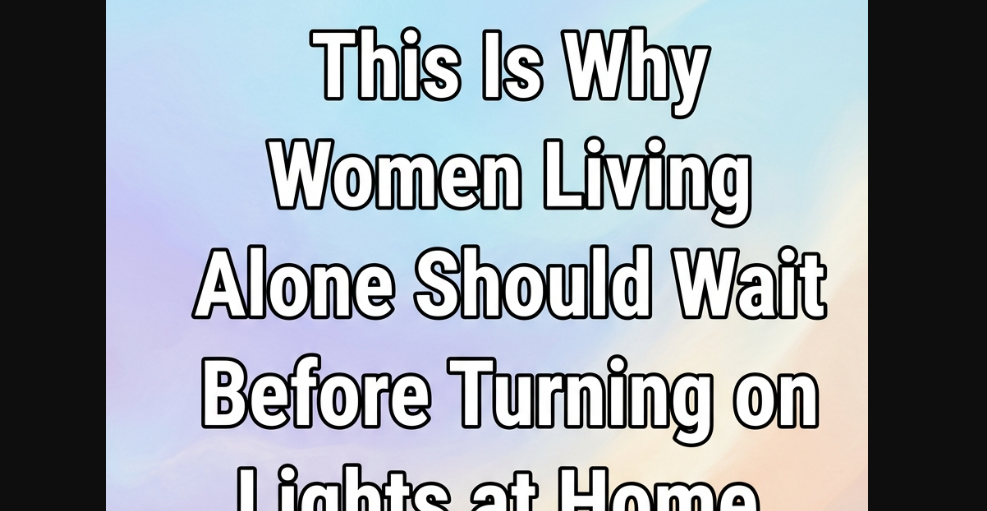
Recently, a simple suggestion shared online sparked widespread conversation about everyday awareness. The idea focuses on a small action that takes only a few seconds: when arriving home after dark, pause briefly before turning on the lights inside.
Supporters of this habit say that the short pause can provide an additional layer of privacy and observation during the first moments after entering the home.
Why the Timing of Lights Can Matter
The concept behind this suggestion is relatively straightforward.
In many neighborhoods, houses and apartments remain clearly visible from the street or nearby sidewalks. Windows facing the road allow light to travel easily into the surrounding area. When interior lights turn on immediately after someone enters, the change can reveal exactly which residence has become occupied.
For individuals returning home alone, especially late in the evening, that visible signal can unintentionally attract attention.
Waiting a short moment before switching on bright interior lighting makes it less obvious which home someone has entered. During those few seconds, the person inside can also listen, observe, and settle into the space.
The intention behind the tip does not involve fear or alarm. Instead, it focuses on awareness and thoughtful routines that protect privacy.
Even small actions can influence how secure a home feels.
The Story That Started the Conversation
The discussion began when one person shared an experience that many others found relatable.
She described arriving home one evening after a long day. The street outside her house felt unusually quiet, and the darkness made the surroundings appear different from the daytime environment she knew well.
Instead of rushing inside and immediately turning on the lights, she paused.
She listened for a moment, allowing her eyes to adjust to the dim interior of the house. After taking a few seconds to settle in, she switched on a lamp rather than the brightest overhead light.
The change felt small, though it gave her a stronger sense of awareness.
Later, she mentioned the habit online, explaining that the brief pause helped her feel more in control of the moment.
The response surprised her.
Many people replied with similar routines they already practiced without thinking about it consciously.
Everyday Habits That Support Personal Awareness
As the conversation grew, others began sharing their own small safety practices.
Some mentioned scanning the area before unlocking their doors, paying attention to nearby movement or unfamiliar vehicles. Others described keeping keys ready in hand before reaching the entrance, reducing the time spent searching through a bag.
A few people explained that they prefer to turn on a small lamp or hallway light rather than the main ceiling lights when first entering their homes.
These habits are not dramatic actions. They are quiet adjustments that encourage awareness and preparation.
Many individuals who live alone develop routines that help them feel comfortable and confident in their personal spaces.
Over time, these routines become second nature.
What Safety Experts Often Emphasize
Professionals who study personal safety frequently highlight the importance of consistent habits.
Security rarely depends on a single large action. Instead, it grows from many small decisions made regularly.
Remaining aware of surroundings, trusting personal instincts, and maintaining simple routines can all contribute to a stronger sense of security.
For example, being mindful when arriving home, locking doors promptly, and paying attention to unusual activity nearby are often recommended as everyday practices.
The suggestion to wait a moment before turning on lights fits into this broader approach.
It encourages people to pause briefly, observe their environment, and settle into their homes with awareness.
The Role of Comfort and Confidence
For individuals living alone, the home represents more than a physical space. It is also a place of comfort, independence, and personal control.
Maintaining that sense of safety often involves small steps that support confidence.
The habit of waiting a moment before turning on the lights may appear minor at first glance. Yet for many people, it serves as a reminder that awareness can begin with the simplest actions.
A short pause provides time to listen, notice surroundings, and transition from the outside world into the calm of home.
This moment of awareness can help reinforce the feeling that the home remains a protected and welcoming space.
A Simple Practice With a Meaningful Purpose
The conversation sparked by this small safety tip demonstrates how everyday experiences often resonate with others.
Many people share similar concerns about privacy, awareness, and comfort when returning home at night. Learning about simple habits from others can provide useful ideas without creating unnecessary worry.
Waiting briefly before turning on lights requires no equipment and no complicated preparation. It involves only a few seconds of attention.
Yet that short pause can encourage a sense of mindfulness and control during the first moments inside the home.
For people who live alone, those moments often shape how the rest of the evening feels.
In the end, the suggestion reflects a broader idea: personal security often begins with awareness.
Small habits, practiced consistently, can help ensure that home remains a place where people feel calm, confident, and at ease.