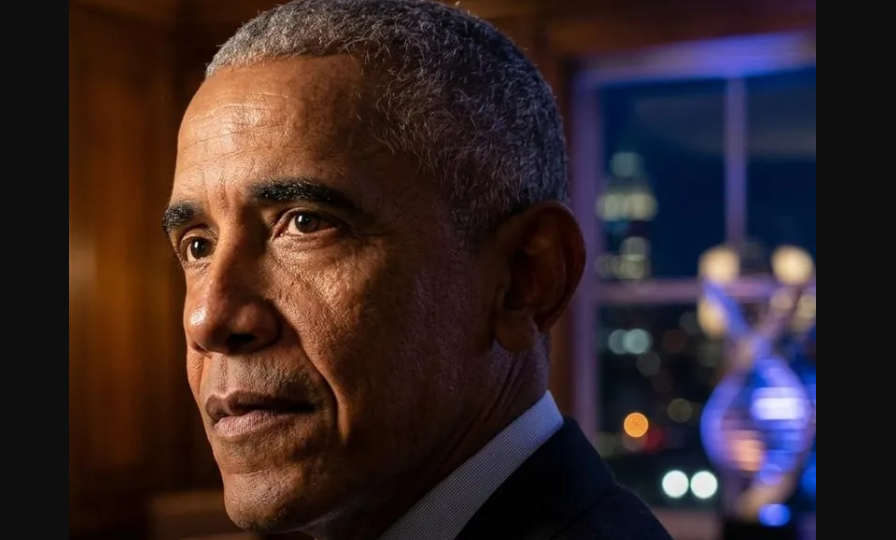
A recent social media post from former U.S. President Barack Obama has sparked widespread discussion online, drawing attention from viewers across different platforms. The video, shared by the Obama Foundation, is short yet intriguing. It shows him reacting to messages on his phone before mentioning that he still has “unfinished business.”
The tone of the video, combined with the phrasing of that statement, quickly captured the curiosity of many people. Within a short time, the clip began circulating widely, generating conversations and interpretations that extended far beyond its original purpose.
While the video was intended to promote the upcoming Obama Presidential Center, its presentation led viewers to look more closely at its meaning. Some focused on the words themselves, while others paid attention to the overall tone and delivery. This combination created a sense of curiosity that encouraged people to share their own perspectives.
Barack Obama, who served as the 44th President of the United States from 2009 to 2017, continues to be one of the most recognized public figures in the country. During his time in office, he worked on a wide range of initiatives, addressing both domestic and international issues. His leadership style and communication approach left a lasting impression on many people.
After leaving the White House, he remained active through public speaking, charitable efforts, and leadership projects. His involvement with the Obama Foundation and the development of the Obama Presidential Center reflects his continued focus on civic engagement and community impact. These ongoing activities have helped maintain public interest in his work and messages.
Following the release of the video, online reactions began to grow. Some individuals shared thoughtful interpretations, while others approached the topic in a more lighthearted way. Many comments reflected curiosity about what the phrase “unfinished business” might suggest.
A number of people speculated about the possibility of a return to the presidency, expressing both interest and admiration. Others responded with humor, creating a mix of serious and playful discussions. This variety of reactions highlights the level of attention that public figures like Obama continue to receive, even years after their time in office.
At the same time, it is important to consider the legal framework that governs presidential terms in the United States. The 22nd Amendment to the U.S. Constitution establishes that a president may be elected to the office no more than twice. This rule applies to all individuals who have already completed two terms, including Barack Obama.
Because of this, a return to the presidency under the current system is not possible without significant changes to the Constitution. Such changes would require a complex and lengthy process involving multiple levels of government.
Understanding this context helps clarify the situation and provides a more balanced perspective on the discussion. While the video sparked curiosity and imagination, it does not indicate a political shift or a change in legal structure.
Instead, the video appears to serve as a creative way to bring attention to ongoing projects, particularly the Obama Presidential Center. The message may be interpreted as a reference to continued work in areas such as community development, education, and leadership.
The strong reaction to the video shows how a brief message can generate meaningful conversation. It reflects the lasting influence of public figures and the way their words can resonate with a wide audience.
It also highlights how digital platforms can amplify even small pieces of content, turning them into larger discussions about leadership, legacy, and future possibilities. People engage with these messages in different ways, bringing their own perspectives and experiences into the conversation.
In the end, the video stands as an example of how communication, even in a short format, can capture attention and inspire dialogue. While interpretations may vary, the discussion itself reveals the continued interest in leadership and the role it plays in shaping public thought.