Her story did not begin inside a hospital room.
It started long before that, shaped by years filled with difficult experiences that left deep marks on her life.
Long before her final days arrived, Noelia Castillo Ramos had already been carrying the weight of trauma, emotional pain, and ongoing struggles that followed her through time.
By the moment she reached the end, the decision she made was not something sudden or unplanned.
It had been built slowly, formed through everything she had lived through, step by step, until it became something she felt certain about.
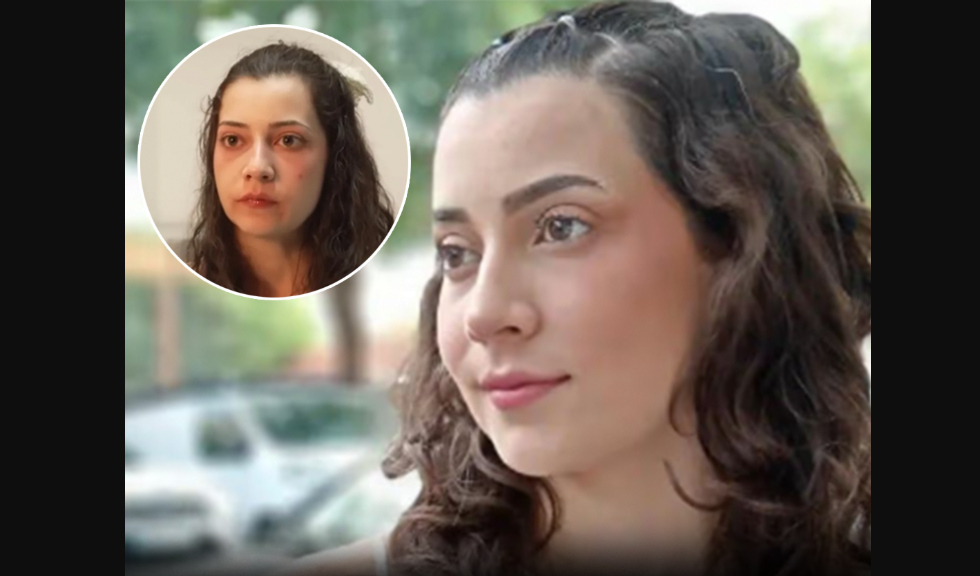
At only 25 years old, she had already faced more than many people encounter in an entire lifetime.
She survived two separate assaults, each one leaving emotional wounds that were not easy to heal or explain.
As time passed, those experiences were followed by years of psychological struggle that affected her sense of stability and well-being.
Then came a devastating fall that changed her physical reality completely, leaving her paralyzed and dependent on others for everyday tasks that once felt simple.
The life she found herself living became increasingly difficult to endure.
What people on the outside saw as a controversial or complex decision, she understood in a deeply personal way.
For her, it was connected to the constant presence of pain and the desire to bring that suffering to an end.
Her perspective came from lived experience, shaped by years that had tested her strength in ways few could fully understand.
In her final hours at Sant Camil Hospital in Barcelona, everything around her became quieter.
The legal battles that had surrounded her situation were no longer ongoing.
The arguments, the debates, and the attention that had followed her story all faded into the background.
What remained was a calm and heavy moment shared between Noelia and the people closest to her.
Her mother stayed near her throughout the night, offering presence and care while also carrying her own internal conflict about the decision.
Her father, who had taken legal steps in opposition to what was happening, was there as well.
It was not a moment built on agreement.
It was a moment built on being present, where love existed alongside different perspectives, without needing to resolve them.
Noelia spoke clearly about what she wanted in those final hours.
She did not want confusion or fear to shape the experience.
What mattered to her was having control over her choices, maintaining her dignity, and finding a sense of calm that had been missing from her life for a long time.
Even then, she focused on small details that carried meaning for her.
She chose to wear a dress that she loved, something that reflected her personality and how she wanted to be seen.
She took the time to put on makeup, not out of routine, but as a way of expressing herself and holding onto her identity.
These actions were meaningful to her.
They allowed her to face that moment in a way that felt personal and intentional.
Around her, there were reminders of her life beyond the pain she had experienced.
Four photographs had been carefully chosen and placed nearby.
Each one represented a memory, a connection, or a moment that still held importance.
They stood as quiet reflections of a life that included both hardship and moments worth remembering.
When the time came, the process itself did not last long.
What carried far more weight was everything that led up to it.
The years of experience, the emotional challenges, the decisions made along the way, and the presence of those in the room all gave meaning to that moment.
For Noelia, what mattered most was not debate or approval from others.
She was not trying to explain her choice to the world or seek validation.
What she was searching for was something deeply personal, something that cannot always be easily defined in words.
She was searching for peace.