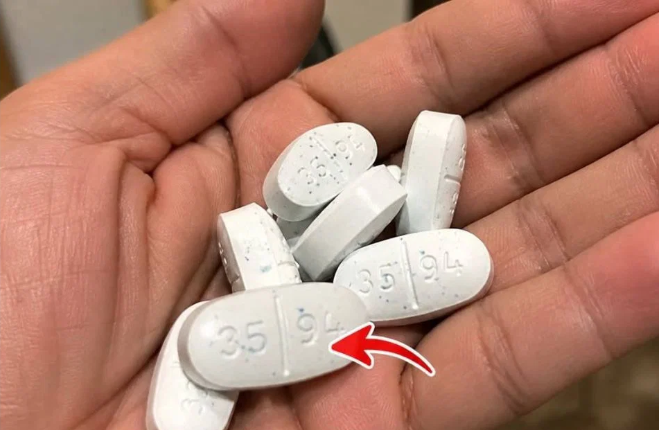
Patients and healthcare providers benefit from remaining alert when using medicines that may influence blood circulation, blood pressure, or clotting tendencies.
Certain medications carry possible associations with increased clotting risk in some individuals.
Understanding these connections supports safer use of prescribed treatments.
What Blood Clots Represent
A thrombus forms as an abnormal clot inside a blood vessel.
Blood clotting serves an essential role when the body needs to stop bleeding from an injury.
When a clot develops inside a vein or artery without an injury present, it can interfere with normal blood flow.
Such interference can lead to serious complications.
Pulmonary embolism occurs when a clot travels to the lungs.
Stroke develops when blood flow to the brain becomes blocked.
Heart attack results when a clot blocks blood flow to the heart.
Deep vein thrombosis occurs when a clot forms in a deep vein, frequently in the leg.
Even a single untreated clot carries the potential to become life-threatening.
Health regulators therefore examine medicines associated with higher clotting risk with careful attention.
Medications That May Require Additional Attention
Specific drug names vary across countries and regions.
Some commonly discussed categories include hormonal contraceptives, particularly certain newer generations.
Some anti-inflammatory medicines appear in discussions of possible clotting associations.
Certain weight-loss pills or appetite suppressants receive mention in safety reviews.
Rare cases have been linked to specific COVID-19 treatments or vaccines in regulatory communications.
Agencies such as the FDA, EMA, and national health departments may issue safety warnings, usage restrictions, recalls, or temporary suspensions when risks receive identification.
The possibility of increased risk may be higher among people with existing health conditions or other factors.
These factors include high blood pressure.
Obesity represents another consideration.
Diabetes can contribute to overall risk profiles.
A history of smoking may play a role.
Family or genetic history of clotting disorders receives attention in medical evaluations.
Warning Signs That Require Prompt Medical Evaluation
Emergency care should be sought immediately after recent medication use if certain symptoms appear.
Sudden chest pain warrants immediate attention.
Shortness of breath requires prompt evaluation.
Unexplained swelling in one leg or arm should not be ignored.
Severe headache or vision changes call for urgent assessment.
Fast, irregular, or unusual heartbeat deserves immediate medical review.
Rapid medical evaluation can support positive outcomes.
Symptoms should not be dismissed or expected to resolve without professional assessment.
Recommended Steps for Patients
Prescribed medication should not be stopped suddenly unless a doctor provides specific instructions.
Concerns about any medicine in use should be discussed with a doctor or pharmacist.
Official updates from national health authorities or trusted medical agencies provide reliable information.
Unusual side effects can be reported through the country’s adverse reaction reporting system.
These steps support informed and responsible medication use.
The Value of Ongoing Awareness
Staying informed about possible medication effects contributes to personal health protection.
Recognizing warning symptoms early supports timely intervention.
Reporting side effects contributes to broader safety monitoring that benefits the wider community.
In healthcare settings, one timely piece of information can help prevent serious outcomes for multiple individuals.
Patients who maintain awareness and engage with healthcare providers create conditions for safer treatment experiences.
Healthcare providers who remain attentive to emerging safety data continue to support patient well-being through evidence-based guidance.
The combination of patient vigilance and professional oversight strengthens overall medication safety practices.
This approach encourages responsible use of treatments while supporting the identification of potential concerns before they affect larger numbers of people.
Regular communication with healthcare professionals remains an important part of managing any medication regimen.
Official sources continue to provide updates as new information becomes available through ongoing research and monitoring programs.
Patients who follow established reporting channels contribute valuable data that helps refine safety recommendations over time.
The process of staying informed supports both individual health decisions and collective improvements in medication safety standards.
Healthcare systems benefit when patients and providers work together to recognize and address possible risks in a timely manner.
This collaborative approach aligns with the goal of maintaining effective treatments while minimizing unnecessary complications.
Awareness serves as a practical tool that supports better health outcomes across different patient populations and treatment categories.