3lor

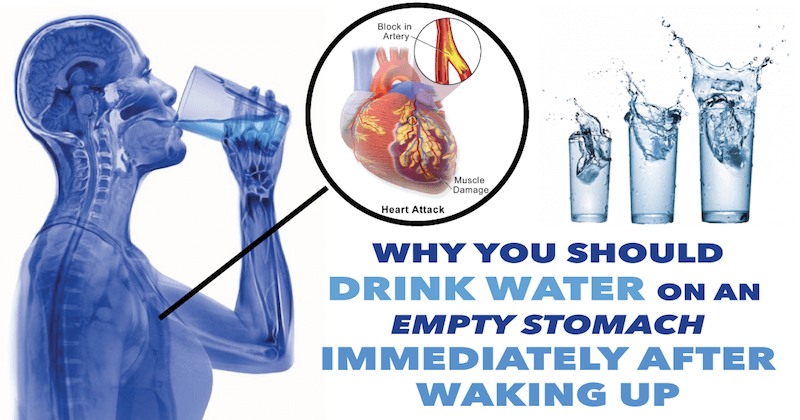
Amazing Benefits of Drinking Water on an Empty Stomach Right After Waking Up!

People who drink 2 or more glasses of water each morning before consuming any other food or drink have been shown to experience relief from heart disease, headaches, kidney disease, chronic pain, digestive problems, menstrual pain, and many other conditions. Drinking water in the morning can also help reduce stomach acid and maintain digestive regularity.

Advertisement

Scientific studies have proven this practice to be beneficial for health. Specifically, this routine is extremely effective in treating various conditions, including meningitis, arthritis, headaches, rapid heartbeat, diarrhea, vomiting, urinary and kidney diseases, epilepsy, bronchitis, asthma, diabetes, menstrual disorders, eye diseases, obesity, and many others.

Follow these guidelines to experience the positive effects of this Japanese ritual:

Advertisement
  1. Drink 16 oz of water immediately after waking up.
  2. After drinking, you can brush your teeth but wait 45 minutes before eating anything.
  3. After the 45 minutes, you may eat as usual.
  4. Avoid drinking or eating anything for one hour after meals to prevent slower digestion and the production of noxious gases.

By practicing this water habit regularly, you can help combat the aforementioned diseases and enjoy a healthier life. Here is an estimated timeline for practicing this routine to help with specific conditions:

  • Constipation: 10 days
  • Gastric issues: 10 days
  • High blood pressure: 30 days
  • Diabetes: 30 days
  • Tuberculosis: 90 days
  • Arthritis patients should practice this treatment for 3 days during the first week and then continue daily from the second week onward.

This water treatment has no side effects, although you may need to urinate more frequently at the beginning of the treatment.

Advertisement

4o

Related Posts:

The Surprising Name Behind Those Unusual Bumps on Corn

Corn Smut: From Garden Surprise to Celebrated Cuisine Advertisement If you grow corn at home or purchase it fresh from a local stand, you may have encountered an unexpected sight: swollen, irregular growths forming where neat rows of kernels should be. Many people pause at this moment, wondering whether the corn is ruined or unsafe. ... Read more

When Compassion Spoke Louder Than Entitlement

I was the only one who noticed that something felt wrong. Advertisement The house had changed. Not in any obvious way, but in a manner that settled heavily in the air. My stepfather’s home no longer carried the quiet comfort it once had. The silence was not peaceful. It lingered, thick and unsettling, pressing in ... Read more

8 Common Bathroom Habits That Can Affect Freshness — and How to Improve Them

As the years pass, our bodies change in ways that are often quiet and gradual. Skin becomes thinner and more delicate, hormone levels shift, and even perspiration behaves differently than it once did. These changes are a natural part of aging, yet they can sometimes bring unexpected concerns—one of the most common being changes in ... Read more

Why People Appeared Leaner in the 1970s — The Real Reasons Behind the Change

There was a period, not so distant in history, when excess weight was far less visible in everyday life. Looking back at family albums, school group photos, or crowded beaches from the 1970s, one detail stands out clearly: most people appeared physically balanced, active, and mobile. This observation often surprises modern viewers, especially when compared ... Read more

Choose One House to Live In Forever — Your Choice Says More About You Than You Think

At first glance, this may look like a lighthearted visual exercise. Six houses. Six distinct styles. One decision. Yet psychology has long suggested that the spaces we feel drawn to are rarely random. They often mirror our inner world, reflecting values we prioritize, needs we protect, and longings we may not always articulate. If you ... Read more

Reaching 60 in Strong Health: What It Often Signals About Longevity

Longevity is influenced by many factors, and genetics is only one part of the picture. A far more telling indicator of long life is the absence of certain chronic illnesses that commonly appear later in adulthood. When someone reaches their 60s, 70s, or even beyond without developing specific long-term conditions, it reflects a body that ... Read more

Leave a Comment