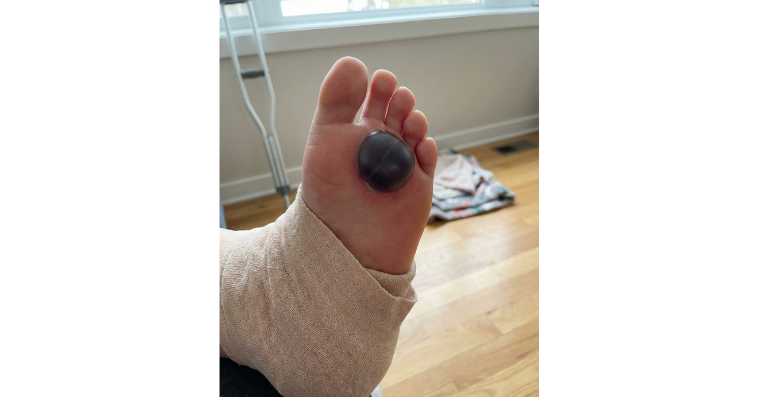
A blood blister can feel alarming when you first notice it. It often appears as a deep red or purplish bubble beneath the skin, sometimes developing quickly and without clear warning. The sudden change in appearance can cause concern.
In most cases, blood blisters are harmless and heal on their own. They can still be uncomfortable, tender to the touch, and inconvenient depending on their location. In certain situations, they may signal an underlying issue that deserves attention. Learning what a blood blister is and how to care for it allows you to respond calmly and recognize when medical guidance may be appropriate.
A blood blister forms when tiny blood vessels, known as capillaries, break beneath the surface of the skin. The outer layer of skin remains intact, which prevents the blood from escaping. Instead, the blood becomes trapped under the surface, creating a raised, fluid-filled area.
This spot often appears red, maroon, or purple. It usually looks darker than a typical blister filled with clear fluid. The size can vary, ranging from small and barely noticeable to larger and more uncomfortable.
Blood blisters most commonly develop on areas of the body that experience pressure or friction. These include:
Fingers and palms
Toes and the soles of the feet
Inside the mouth, including the cheeks, tongue, or gums
Each location brings its own type of discomfort. A blister on the finger may interfere with daily tasks. One on the foot can make walking painful. A blister inside the mouth may cause irritation while eating or speaking.
Common Causes of Blood Blisters
Most blood blisters occur due to sudden pinching or repeated friction against the skin. The force damages the small blood vessels underneath while leaving the skin’s surface unbroken.
Common causes include:
Slamming a finger in a door
Wearing tight or poorly fitting shoes
Using tools or sports equipment without protective gloves
Repeated movements that place continuous pressure on the same area of skin
Athletes, manual workers, and individuals who spend long hours on their feet may be more prone to developing blood blisters because of consistent friction and pressure.
Blood blisters inside the mouth can form for different reasons. The tissues in the mouth are delicate and sensitive, making them more vulnerable to injury.
Possible triggers include:
Accidentally biting the cheek or tongue
Dental procedures that irritate soft tissue
Sharp or poorly fitting dental appliances
Hot foods or drinks that injure the lining of the mouth
In many of these cases, the blister develops shortly after the injury occurs. The area may feel tender before the blister becomes fully visible.
Some individuals may notice that blood blisters form more easily than expected. This can happen in people with certain health conditions or those taking medications that affect blood clotting. For example, individuals on blood-thinning medication may bruise or develop blisters more readily after minor trauma.
Certain medical conditions that impact platelets or blood vessel strength can also increase susceptibility. If blood blisters appear frequently without clear injury, it may be wise to seek medical evaluation. A healthcare professional can assess whether further testing is necessary.
How to Care for a Blood Blister
In most situations, the safest approach is to leave the blister intact. The outer layer of skin serves as a natural protective barrier against infection. Popping or draining a blood blister increases the risk of introducing bacteria into the area.
To promote healing:
Keep the area clean and dry.
Avoid additional friction or pressure.
Cover the blister with a loose, sterile bandage if it is in a high-contact area.
Wear comfortable footwear if the blister is on the foot.
If a blood blister breaks on its own, gently clean the area with mild soap and water. Apply an antiseptic and cover it with a sterile dressing to protect it while it heals.
When to Seek Medical Attention
Although most blood blisters resolve without complications, medical advice may be appropriate if you notice signs of infection. These can include increasing redness, warmth, swelling, pus, or worsening pain. Fever accompanying a blister should also be evaluated.
Seek professional care if the blister is unusually large, extremely painful, or does not improve over time. Recurrent blood blisters without obvious cause also deserve medical assessment.
Final Thoughts
A blood blister may look dramatic, yet it is usually a temporary and manageable condition. Understanding how it forms and knowing how to care for it can ease anxiety and prevent unnecessary complications.
With proper attention and basic care, most blood blisters heal naturally. Staying aware of changes in your skin and responding thoughtfully helps protect your overall health and comfort.