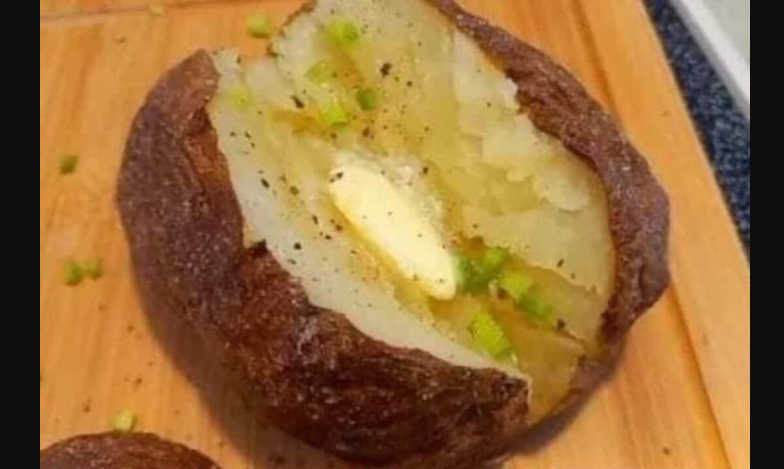
Baked potatoes have long held a special place at the table because they combine comfort, simplicity, and flexibility in a way few foods can match. With their gently crisped skin and soft, steaming interior, they offer a sense of warmth and familiarity that works in almost any setting. Whether served alongside a main course or presented as the centerpiece of a meal, baked potatoes feel reliable and welcoming. Their appeal lies not in complexity, but in balance: texture, temperature, and natural flavor working together in a quiet, satisfying harmony.
Another reason baked potatoes remain so popular is their adaptability. They fit easily into a wide range of eating styles, from traditional home cooking to more health-conscious or plant-based approaches. On their own, baked potatoes are naturally low in fat while providing fiber, potassium, and essential vitamins such as C and B6. Choosing the right type of potato makes a noticeable difference. Starchy varieties, especially russet potatoes, are well suited for baking because they develop a fluffy interior that contrasts beautifully with their sturdy skin. A light brushing of olive oil or butter and a modest sprinkle of salt allow the skin to bake into a flavorful, golden layer without overpowering the potato itself.
The preparation process is refreshingly uncomplicated, making baked potatoes accessible even for those with limited cooking experience. Begin by preheating the oven to 400°F (200°C), allowing it enough time to reach an even temperature. Scrub the potatoes thoroughly under running water to remove any soil, then dry them completely with a clean towel. This step is important, as moisture on the skin can interfere with proper crisping. Use a fork to pierce each potato several times, creating small openings that let steam escape as the potato cooks. If you enjoy a seasoned skin, rub each potato lightly with oil or melted butter and sprinkle with salt.
Place the prepared potatoes directly on the oven rack or on a baking sheet lined with parchment or foil. Baking times typically range from 45 to 60 minutes, depending on the size of the potatoes. Using potatoes of similar size helps them cook evenly. You will know they are ready when the skin feels firm and the inside yields easily to a fork or knife. Removing them from the oven and allowing them to rest briefly helps the interior settle, making them easier to open and serve.
Once baked, potatoes invite creativity. Traditional toppings such as sour cream, grated cheese, and chopped chives remain popular for a reason, offering richness and familiar flavor. Vegetables like steamed broccoli, sautéed mushrooms, or roasted peppers bring color and freshness, while beans, lentils, or seasoned chickpeas can turn a baked potato into a complete, nourishing meal. Herbs, spices, and sauces provide additional ways to customize each serving without complicating the process. Even simple additions such as black pepper, paprika, or garlic powder can subtly shift the flavor profile.
Baked potatoes also offer practical advantages beyond their taste. They store well in the refrigerator for several days and can be reheated in the oven or microwave with minimal effort. This makes them a convenient option for meal planning or using leftovers efficiently. Their enduring popularity comes from how easily they fit into everyday life, adapting to different preferences, schedules, and occasions. In a world filled with elaborate recipes and constant culinary trends, baked potatoes remain a reminder that straightforward food, prepared with care, can be both nourishing and deeply satisfying.