Ellen DeGeneres and Portia de Rossi have continued refining the gradual transition described in the earlier phase of their relocation, and new reports suggest they are now embracing a more flexible, hybrid way of living. This updated approach allows them to divide their time between the United Kingdom and the United States, giving them the freedom to adjust their routines based on personal needs, professional responsibilities, and emotional well-being.
According to those familiar with their decisions, this shift is not rooted in hesitation, but in thoughtful adaptation to the realities of their lives. Instead of treating relocation as something fixed or absolute, they appear to be creating a balanced lifestyle that lets them enjoy the quiet, natural beauty of the English countryside while continuing to nurture their long-standing ties to California and the communities that have shaped their careers.
Friends describe the arrangement as one that supports connection on both sides of the Atlantic. It allows them to remain present with the people and environments that matter most, without feeling limited by the idea of choosing a single permanent home.
A meaningful part of this evolving lifestyle comes from the relationship between personal fulfillment and social purpose. Ellen continues to be widely recognized for her advocacy in support of LGBTQ+ rights, equality, and inclusion. Those close to her emphasize that changing her physical location did nothing to diminish her commitment to these causes. Her emotional investment in social issues in the United States has remained strong.
Even while spending extended periods abroad, Ellen has continued to participate in charitable work, activism, and creative endeavors in the U.S. This reflects a steady awareness that personal retreat does not disconnect someone from the social and political developments that have shaped much of their life’s work.
Media observers note a broader pattern among public figures who consider international relocation during periods of political tension or cultural pressure. Many people initially explore the idea of moving abroad as a way to create distance from stress or public scrutiny, yet over time they discover that maintaining two homes — rather than fully relocating — provides both flexibility and stability. Ellen and Portia’s approach echoes this trend, signaling a desire for adaptability instead of rigid permanence.
Sources suggest that their decision to divide their time between countries aligns with a thoughtful view of long-term well-being. It highlights an understanding that both the tranquil pace of life in the UK and the warm, vibrant atmosphere of California can meet different needs at different times in their lives.
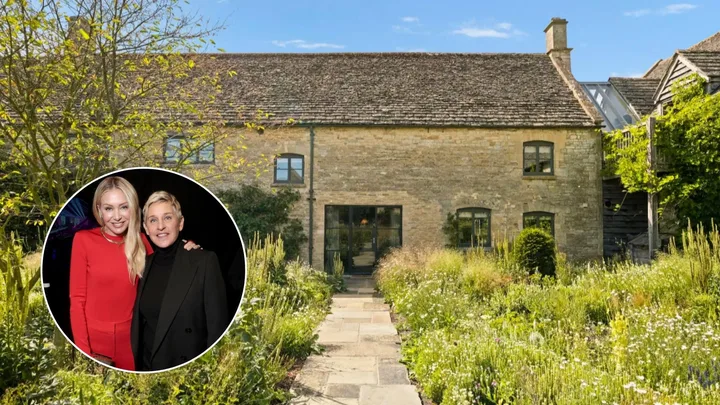
From a practical standpoint, maintaining residences in both places provides a wide range of options. The pair appreciate the quiet landscapes of the UK, where privacy and nature create a restful retreat, while California offers warmth, familiarity, and the professional and personal networks that have been central to their lives for decades.
Their seasonal planning appears intentional. Warmer months in the UK provide opportunities to enjoy gardens, long walks, and outdoor gatherings. Winters, with fewer daylight hours, can be balanced by spending more time in California, where sunshine, community, and creative collaboration support energy and motivation. Family events, professional obligations, and major holidays remain natural reasons to return to the United States throughout the year.
Financially and logistically, those close to the couple describe their arrangements as carefully structured. Real estate decisions, tax considerations, and travel planning have been made with long-term flexibility in mind. Even the sale of their Oxfordshire estate and the purchase of a new hilltop property were part of a strategy designed to keep their options open rather than settling into one irreversible path.
Public responses to these developments have been wide-ranging but largely understanding. Supporters recognize that any international move — particularly for two high-profile individuals — involves emotional adjustment, cultural adaptation, and practical challenges. Many observers note that the decision to develop a hybrid lifestyle reflects a healthy prioritization of stability, comfort, and emotional clarity.

Some critics have attempted to frame the shift as inconsistency. However, those familiar with the couple argue that such interpretations overlook the genuine complexities involved in relocating across borders while balancing personal values, relationships, climate differences, and ongoing professional projects.
Mental and emotional well-being has played a central role in Ellen and Portia’s decisions. Both have placed emphasis on environments that support creativity, reflection, and peace. Outdoor space, natural light, and community connection have become essential aspects of their day-to-day lives. Routine, nature, and a sense of spaciousness are said to help Ellen in particular maintain a healthy emotional rhythm.
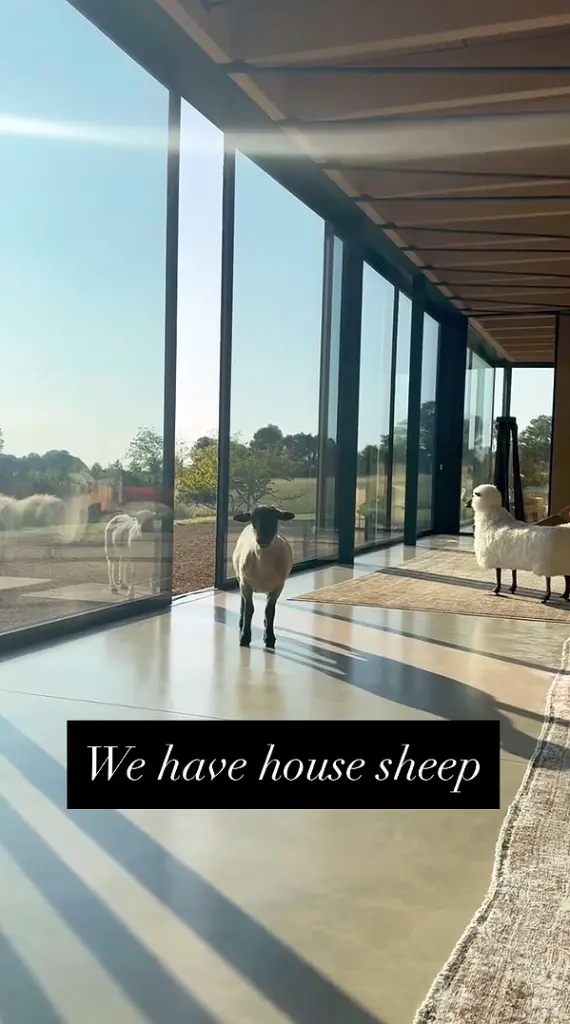
Friends describe their evolving lifestyle as one that supports personal stability, allowing each of them to operate at a pace that fosters clarity, productivity, and joy.
Another influential factor has been the rhythm of the seasons. The lush greenery of the British countryside offers tranquility and restorative calm, while long winters can place limits on social interaction and outdoor activity. California, with its stable climate, provides a counterbalance, giving them access to year-round sunlight, creative energy, and vibrant social life. By alternating locations based on what each season offers, the couple can create a lifestyle that supports both well-being and personal engagement.
Ultimately, their approach reflects a broader view of what “home” means. Rather than anchoring themselves to a single permanent location, Ellen and Portia appear to be embracing the concept of home as something shaped by comfort, emotional connection, and the ability to thrive.
Their life today embodies a modern perspective on mobility — one in which people can move between environments, participate fully in multiple communities, and create a lifestyle shaped by choice rather than limitation. Those close to them describe this philosophy as thoughtful and forward-looking, blending practicality with a deep sense of personal insight.
As a result, the narrative surrounding their relocation has shifted. What began as a story about a possible permanent move to the UK has become a more layered journey that prioritizes well-being, connection, and the ability to respond flexibly to life’s changing circumstances.
Although Ellen and Portia have not issued any final statement about long-term plans, the direction of their choices points to a deliberate and balanced approach — one that honors both their personal needs and their ongoing ties to family, community, and creative work.
In many ways, their story reflects a universal truth: as life evolves, so does our understanding of home. Their hybrid living arrangement illustrates how people can adapt thoughtfully to new phases of life, integrating past and present in ways that support emotional health, personal identity, and meaningful connection.