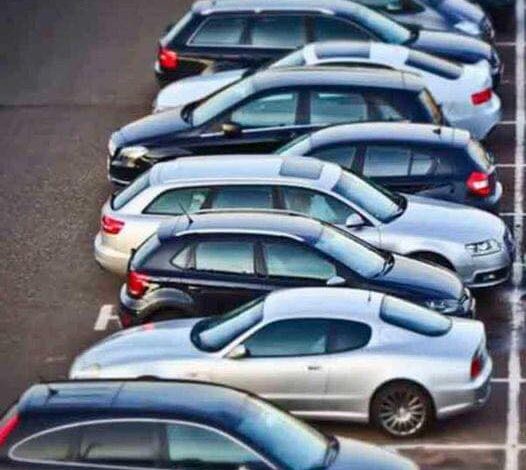
Backing into parking spaces is not the best option for many reasons. It can be difficult to judge the size of a space and how much room you will have to reverse safely. There is also the risk that you may miss something in your rear cross-traffic alerts and cause a collision with another vehicle.
Even with the latest safety technology, it is still very easy to make mistakes when reversing into a tight space. All of the risks aside, it can often be just plain annoying for other drivers who have to wait for you while you slowly maneuver your way into the spot, especially in a busy lot with few available spots.
It’s so risky and annoying, in fact, that it is illegal in some places. While backing into parking spaces is technically the best option, most of the population (in my opinion) just don’t have the skills to do so.
Backing Into Parking Spaces Is Dangerous
Drivers should be aware of their surroundings and be cautious when backing into a parking space. This is especially important in areas with high traffic volumes or in parking lots with many cars. Safety reasons aside, it can also be difficult to maneuver a vehicle into tight spaces without rear cameras or other alert technology. New automobiles may have view cameras that allow drivers to see what’s behind them when reversing, but not all vehicles come equipped with such features.
Backing up into parking spaces is a safety hazard as many people just don’t have the skill to do so. Not only are there other highway traffic and vehicles to contend with, but also pedestrians and objects that can’t be seen from inside the car. Backing up on roadways, driveways or in parking lots can increase risks of collision with other vehicles or people nearby. These collisions can cause serious injuries for drivers and pedestrians alike.
Backing Into Parking Spaces Is Annoying For Other Drivers
It is inconsiderate to other drivers when someone takes up more than one stall while they back into a space. Additionally, in a tight parking lot there may not be enough room behind you to make sure you can back into your chosen spot safely. On top of that, it takes longer. Even the most pro reverse parkers still take longer to back into a spot rather than just pull in like the rest of us.
The convenience of backing in may not outweigh the risk of collision or damage to your vehicle and other drivers’ vehicles, nor does it actually save you the time you think it is. It doesn’t actually make up for the amount of extra time you spent backing in beforehand. Pulling forward into parking spots benefits everyone involved. This will ensure that all vehicles are parked correctly and conveniently within the lot and reduce any potential risks for drivers and pedestrians alike.
Please Stop Backing In
Backing into parking spaces should be avoided for a number of reasons. Firstly, when you back into a parking space it can be difficult to get the full view of what is going on around you which can put your safety and the safety of others at risk. It is best to pull forward into a parking space as this will give you the best visibility and extra safety. Secondly, for larger-sized cars or size pickups, it may not always be feasible to back into a spot due to its size and positioning in relation to other vehicles.
Pulling forward is much easier in this instance as it allows more room when maneuvering and leaves less room for error when trying to get out of the space again. Finally, even if all drivers agree that backing into spaces is next best thing they should avoid doing so if they are in an area with limited lanes or lack of space within a lot.
It Could Be Dangerous
Backing into spaces can be a dangerous maneuver that can lead to accidents if not done correctly. For example, if a driver is backing an old, large SUV into a parking space, the driver may not be able to see the vehicles front wheels due to tinted glass or other obstacles. This could cause the vehicle to run into another car or object in its way. Additionally, traffic in parking lots can be unpredictable and drivers may not have enough control of their vehicles when backing up.
Advocates for safe driving suggest that drivers should always park facing forward instead of backing into spaces so they have better view of what’s ahead and are better prepared for any unexpected situation like other cars entering their space suddenly. Parallel parking in a space can be difficult enough as it is, and when you back into a parallel parking space, the front windshield can obstruct your view of other vehicles. When backing into a space, you must rely on your side mirrors to watch for any traffic or stationary objects that may be near the spot. This can require more attention and effort than if you were to park forward.
Additionally, if your vehicle is not in the correct position when backing in, there is potential danger of hitting another car or object with its back bumper. It’s important to give yourself plenty of room and time to maneuver to get into the right position before stopping. In conclusion, due to decreased visibility and increased difficulty maneuvering a vehicle while backing into a parallel parking space, it’s best practice for drivers to park facing forward instead to be better prepared for any unexpected situation on the road ahead. (2)
It’s Illegal In Some Places
In some instances, reverse parking might actually be against the law. Some municipal lots and busy parking lots in certain counties and states forbids the practice. This is because not only is backing into the spot risky, but when you pull out later the pedestrians and other vehicles don’t have the added benefit of seeing your brake lights. They can’t tell if you are stopping or not, which could end up in an accident. Some places with angled parking spots encourage it; however, most of the time it is just a nuisance at the least and a danger at the best to the pedestrians and cars around you (especially the cars so closely parked beside you).
Just Stop Backing Into Parking Spots, Please
Backing into parking spots creates an unhealthy culture of riskier practice, as it puts drivers and their cars at unnecessary risk. Taller trucks may even block the view of traffic lanes when attempting to back into a parking spot. Not only that, but this also increases the chances of being spotted by any thieves who may be lurking in the lot. Additionally, other drivers attempting to leave their spots may not see you back up and collide with your vehicle. (3)
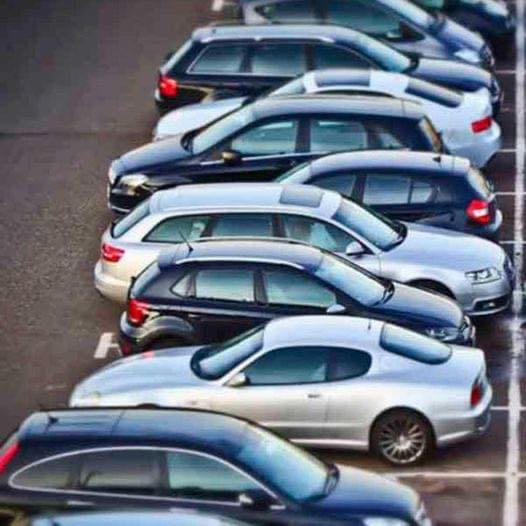
A photograph that shows cars parked in a parking spot is rarely a pretty sight. The right thing to do when parking your car is to look for an open space and carefully drive into it. If there isn’t a gap you can fit into, look for another spot. Backing up into the space can be risky, as you may not always have an accurate assessment of the gap size – incidentally leading to damage if you misjudge it.
Plus, backing in may put you at risk for a parking ticket. Traffic wardens, enforcement officers and meter maids can easily see the license plates and lot permit of vehicles parked with their front windows facing the street. This is standard policy for such professions – so it is best to park your car in an appropriately sized space with your permit tags on full display. Essentially, all of this is to say that if you think you are doing yourself and others a favor by backing into your parking spot, you’re not. So just pull in like the rest of us.