3lor

Hidden Dangers Lurking in Your Pillows

It’s important to have a good night’s sleep. But have you ever thought about what you’re sleeping on? Therefore, our pillows are crucial to that try.

Advertisement

There Are Potentially ‘Toxic’ Chemicals In Some Pillows

When we think of things that are not good or “toxic” for our health, we usually think of things we might eat or apply our skin. These can be food items, cleaning products, perfumes, and cosmetics. One amazing potential source of dangerous chemicals? Your pillow.

Flame Retardants

There are a variety of secret dangers that could be in or originating from your pillows. One of the most alarming is flame retardants. These chemicals are used to pillows to prevent them from catching fire, but they can also be harmful to your health.

Advertisement

Volatile Organic Compounds

Another danger is VOCs (volatile organic compounds). These are chemicals that can be placed into the air from your new pillows, and they can cause a range of health problems, including headaches, dizziness, and respiratory issues.

Dust Mites, Mold, Bacteria, and Fungi

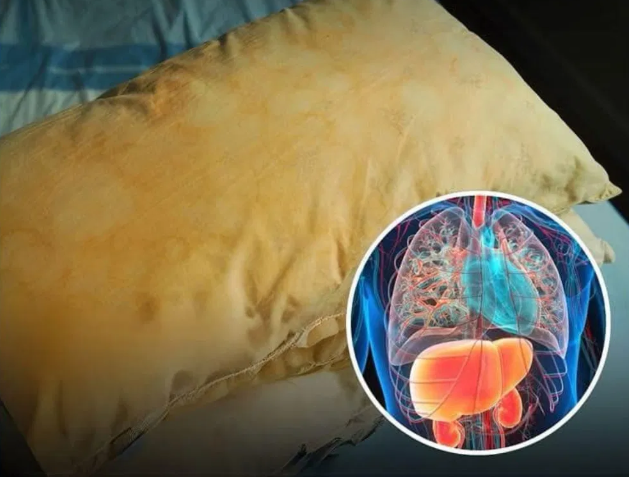
Most of us use the same pillow for months, if not years. Over time they gather not only dirt, oils and skin cells but also more problematic things like dust mites, mold, bacteria, and fungi. These can produce spores that will cause even healthy people to have breathing issues. Sleeping on a bacteria, fungi, and dust-mite-laden pillow could be troublesome if you have sensitive skin or skin issues such as eczema. (4)

Advertisement

Formaldehyde

Some people claim that pillows can consist of low levels of formaldehyde. This is because it is sometimes applied in textile manufacturing. The likelihood that your pillow consists of formaldehyde is quite low.

Which Pillows Consist of These Dangers?

Unfortunately, many pillows on the market today consist of flame retardants and VOCs, among other potential chemicals. Memory foam pillows are a popular culprit, as they are made from synthetic materials that can deliver harmful chemicals.

What Can People Purchase Instead?

What can you do to protect yourself from these hidden dangers? One option is to select pillows made from natural materials, such as bamboo or buckwheat. These materials are less likely to consist of harmful chemicals and can offer a comfortable and supportive sleeping experience.

The Bottom Line

The hidden dangers lurking in your pillow can have serious health problems. You can protect yourself and your loved ones from these risks by selecting a safe and natural pillow. Don’t ignore the importance of a good night’s sleep, and make sure that you’re sleeping on a pillow that encourages your health and well-being.


Related Posts:

How Many Hidden Threes You Spot Reveals a Lot About Your Personality

At first glance, the picture looks like nothing more than a simple bowl of soup resting on a wooden table. It appears ordinary, warm, and familiar. Yet the longer you study it, the more unexpected details begin to emerge. Shapes that once looked random suddenly take on new meaning. Curves begin to resemble symbols. And ... Read more

The Pope’s Single Word to America That Set Off a Worldwide Debate

In a place defined by centuries of ceremony, measured speech, and thoughtful ritual, an unexpected moment managed to capture global attention. Only a few days after his papacy began, Pope Leo XIV offered a response so brief and so deliberate that it immediately became the focal point of international conversation. Advertisement During a highly watched ... Read more

Obama Responds to Alex Pretti’s Death, Calls for Accountability and Thoughtful Review

The death of Alex Pretti, a 37-year-old intensive care nurse, has sparked a national discussion that extends far beyond Minneapolis. Footage from a federal enforcement operation captured a rapid and chaotic encounter that ended with a fatal outcome, prompting widespread concern and intense public reflection. Advertisement As the video spread across social platforms and news ... Read more

The White String in Your Eggs: What It Is and Why It’s Perfectly Normal

When you crack open an egg, you might notice a thin, white, string-like strand attached to the yolk.At first glance, it can appear unusual or even slightly concerning. Many people assume this feature signals that the egg is spoiled or imperfect, and some remove it by habit before cooking. Advertisement In reality, this small strand ... Read more

Simple Methods for Reviving Stained Baking Pans and Sheets — Bring Your Bakeware Back to Life

Maintaining clean bakeware can feel overwhelming, especially when stains, grease, or stubborn residue seem impossible to remove. Fortunately, simple household ingredients can restore nearly every type of pan when used correctly. Below is a clear, step-by-step guide that keeps the original structure of each method while offering fresh wording and layout. Advertisement Stainless Steel Problem: ... Read more

Opened a Can of Spam and Saw Clear Jelly? Here’s What It Actually Tells You (And When It’s Not Safe)

How to Tell If It’s Safe: The 3-Point Check Even though the jelly in Spam is completely normal, it is still wise to examine any canned meat before eating it. Canned products are made to last for extended periods, yet age, storage conditions, or unseen damage can affect safety. A brief inspection can protect your ... Read more

Leave a Comment

<!-- interstitial / put after -->