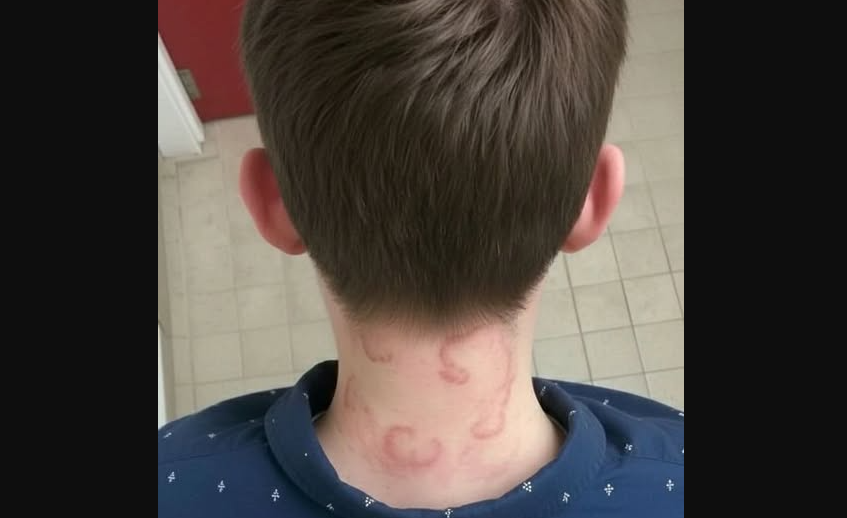
What began as a mild itch slowly revealed itself as a condition that demanded attention and understanding. At first, the skin felt irritated in a way that seemed familiar, accompanied by a burning sensation and red, swollen patches that appeared without warning and faded unpredictably. Like many people facing unexplained skin discomfort, he assumed the reaction stemmed from a common allergy related to food, contact with a surface, or environmental exposure. The symptoms felt inconvenient yet tolerable, until they returned repeatedly and began spreading to new areas.
As days passed, the episodes became harder to ignore. The itching intensified, and the raised patches became more pronounced. What initially appeared as a passing irritation started interfering with daily routines and sleep. The uncertainty surrounding the cause added another layer of stress, as each flare seemed to arrive without a clear explanation or pattern.
A medical evaluation eventually provided both clarity and concern. The diagnosis was urticaria, widely known as hives. This condition extends beyond a visible skin rash. It originates within the immune system, where mast cells release histamine into the bloodstream. This release causes fluid to leak from small blood vessels, resulting in raised, itchy welts that vary in size and location. While urticaria often resolves on its own, its behavior can change over time.
As the condition evolved, the reaction moved deeper beneath the surface of the skin. Swelling began to affect areas such as the lips and eyelids, creating noticeable puffiness. A tightening sensation developed in the throat, introducing a level of fear that had not been present before. This deeper swelling is known as angioedema, and when it involves the face or airway, it presents a serious health concern.
The shift from discomfort to apprehension marked a turning point. Breathing felt different during flare-ups, and the swelling carried a weight that could not be dismissed. Medical professionals emphasized that angioedema affecting the lips, tongue, or throat requires immediate attention, as airway involvement can escalate quickly.
Doctors worked to identify potential triggers that might be activating the immune response. They explored a wide range of possibilities, including foods, medications, infections, temperature fluctuations, physical pressure, and emotional stress. Despite thorough evaluation, no single cause emerged. This outcome is common, as many cases of urticaria occur without a clearly identifiable trigger.
Physicians explained that episodes lasting less than six weeks are classified as acute urticaria. When symptoms persist beyond that period, the condition is considered chronic and may continue for months or even years. Understanding this distinction helped frame expectations and informed long-term management strategies.
Treatment focused on calming the immune response and reducing symptom severity. Antihistamines became the primary approach, sometimes prescribed at increased doses under medical supervision. During intense flare-ups, corticosteroids were introduced to control inflammation. Topical treatments offered localized relief, easing itching and irritation on the skin’s surface.
Equally important was education. Learning to recognize early warning signs became a critical part of managing the condition. Medical guidance emphasized that swelling around the lips or throat, difficulty breathing, or rapid escalation of symptoms should never be overlooked. These signals indicate the potential for serious complications and require prompt medical care.
Over time, the experience reshaped his awareness of how the body communicates distress. Skin reactions that appear manageable can reflect deeper processes occurring internally. Paying attention to those messages allows for earlier intervention and greater control over outcomes.
Living with urticaria brought an unexpected lesson in vigilance and self-awareness. The condition demanded respect for symptoms that might otherwise be minimized. Through understanding, preparation, and appropriate treatment, fear gradually gave way to confidence. Recognizing the signs early transformed uncertainty into informed action, reinforcing that awareness can play a powerful role in protecting health and well-being.