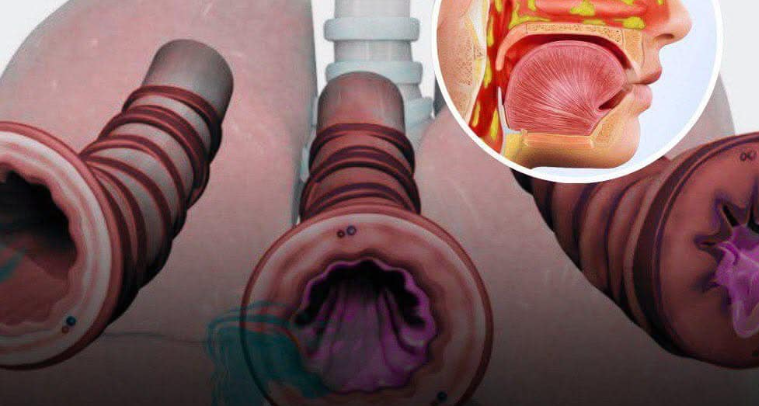
Colds, sneezing, and coughing are never enjoyable. One of the most inconvenient aspects of being unwell is managing persistent phlegm and mucus in the throat and chest. If you’ve been searching for ways to eliminate phlegm and mucus, you’re not alone. Constant coughing, throat discomfort, and difficulty breathing can disrupt your daily routine. Fortunately, there are many effective home remedies you can try to ease the discomfort and clear your airways.
What Is Phlegm, and Why Does It Build Up?
Phlegm is a thick, sticky substance created by the respiratory system, including the lungs, nose, and throat. Its purpose is to trap dust, bacteria, and irritants, ensuring your airways remain clear. However, excessive mucus can accumulate due to factors like colds, allergies, infections, smoking, or exposure to irritants, making it essential to address and reduce phlegm naturally.
Natural Remedies to Eliminate Phlegm and Mucus
Before resorting to medications, consider these simple home remedies to reduce mucus buildup:
Stay Well-Hydrated
Drinking plenty of fluids, such as water, herbal teas, and warm broths, can thin the mucus, making it easier to expel.
Gargle with Salt Water
Combine half a teaspoon of salt with warm water and gargle several times a day. This helps soothe an irritated throat and reduce mucus.
Try Steam Therapy
Lean over a bowl of hot water with a towel draped over your head and inhale the steam. This moistens airways and loosens mucus, helping with its removal.
Use a Warm Compress
Placing a warm towel on your chest or throat can alleviate congestion and aid in loosening mucus.
Honey and Lemon Mixture
Blend a tablespoon of honey with warm water or tea and squeeze in some lemon juice. Honey soothes the throat, while lemon helps break down mucus.
Run a Humidifier
Add moisture to the air using a humidifier to keep mucus in the throat and chest from thickening. Ensure regular cleaning to avoid bacteria growth.
Practice Nasal Irrigation
Use a saline solution or neti pot to rinse out nasal passages, clearing excess mucus and easing congestion.
Avoid Irritants
Stay away from cigarette smoke, pollution, and strong chemical odors, as these can increase mucus production and worsen congestion.
What to Avoid
To manage phlegm effectively, steer clear of the following:
Smoking or exposure to secondhand smoke.
Consuming dairy products, which can thicken mucus.
Overindulging in sugary foods and beverages.
Excessive use of decongestant sprays without consulting a doctor.
Suppressing your cough excessively, as it’s the body’s natural way to expel mucus.
When to See a Doctor
If these remedies fail to improve your symptoms or your condition worsens, consult a healthcare provider for an accurate diagnosis and appropriate treatment.
By using these remedies and avoiding common triggers, you can successfully reduce phlegm and mucus, promoting clearer airways and improved respiratory health.
Share this article with your friends and family on Facebook to help them breathe easier too!