The church bells had finished ringing when Savannah Cole stepped onto the Whitmore family grounds. Five children walked beside her, each dressed in black and holding onto emotions they could not fully describe. For ten years, Savannah had lived with a significant truth connected to one of Georgia’s most respected families.
While the Whitmores believed she had moved on after a difficult divorce, she had spent that decade raising five children on her own. She built a life through dedication, discipline, and steady determination. Savannah held no interest in revenge and no wish to reopen past difficulties. When news reached her that William Whitmore, her former father-in-law, had passed away, Savannah considered a choice she knew required attention. Standing at that funeral would bring her back to the place where her voice had once received little consideration and her experiences had been shaped by others who guided the narrative.
Years earlier, Savannah’s marriage to Grant Whitmore had ended quite suddenly. A hotel receipt, photographs, and statements of betrayal were presented to Grant. Before Savannah could offer her full account, the marriage reached its conclusion. In the elegant sitting room of his mother Vanessa’s home, her perspective met prepared materials and strong family expectations. Savannah had attempted to share that she held innocence in the matter and had prepared to reveal another important detail — that she was pregnant. Fear, pride, and external influences carried greater weight in that moment.
Divorced and separated at twenty-four, Savannah left with limited belongings and a deep emotional weight she worked to understand. She selected the path of survival over prolonged conflict with a family focused on its standing. She entered the Army, directed her energy toward creating stability, and prepared for motherhood with strength she discovered along the way.
The medical discovery that followed reshaped her path once more. Doctors identified that Savannah carried quintuplets. Her days centered on medical appointments, long nights, and the demanding care required for five newborns who arrived early. Ethan, Noah, Luke, Rose, and Emma needed extensive support in their beginning months. Savannah surrounded them with love, structure, and clear values. Questions about their father grew more present as the children developed. Each child showed noticeable similarities to Grant through their eyes, smiles, and mannerisms. Savannah maintained detailed records over the years, including medical information, legal materials, and documents linked to the divorce. She did so to preserve important facts until the appropriate time arrived for them to be known.
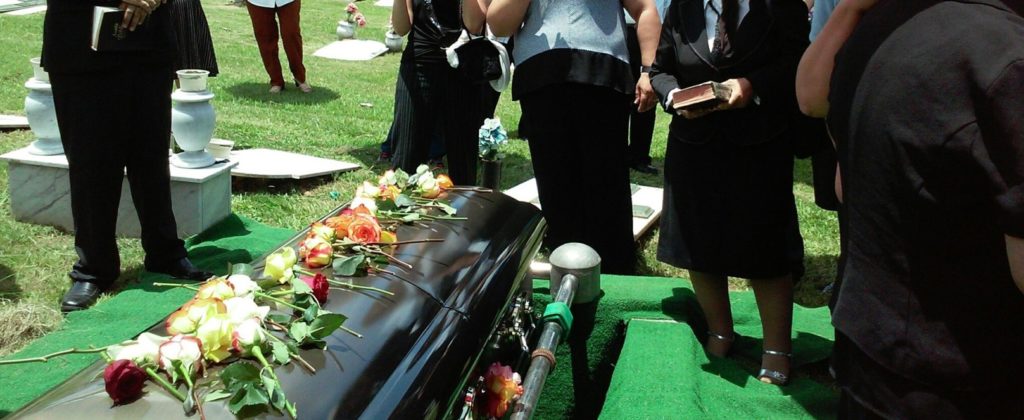
When William Whitmore’s obituary became public, Savannah paused to consider her next steps. Her children had reached an age where they asked meaningful questions about their background. They sought a connection to their family history and confirmation of their complete identity. On that gray Saturday morning, Savannah arrived at the funeral with a sense of resolve. Guests first observed her military uniform, then the group of children, and soon the clear family resemblances that created quiet reactions throughout the cemetery.
Grant looked in their direction and remained still. Recognition developed across his face as he observed each child standing with Savannah. Savannah shared the protected documents she had kept for years, including paternity information, earlier records, and materials that offered new perspective on the events surrounding the divorce. The gathering that started as a farewell developed into a time of reflection on past events and their effects.
Long-held matters came forward, family connections shifted, and the period of silence brought outcomes that required attention. Savannah had arrived to provide her children with acknowledgment, background, and openness. The legal and emotional developments that followed took place step by step through careful discussions and measured progress toward shared understanding. Grant encountered the reality of years that had passed and responsibilities he had not previously known. The children explored their family background in their individual ways, showing natural curiosity and care.
Months afterward, standing again near William’s grave, Savannah observed her children placing flowers and claiming a place in the family story that had once been kept from them. In that calm moment, she recognized the purpose behind her actions. The experience centered on safeguarding truth until it could stand clearly and ensuring her children would understand their full heritage without ongoing uncertainty.
Savannah’s journey demonstrates the dedication many parents show when building lives under challenging conditions. She maintained focus on providing stability and values for Ethan, Noah, Luke, Rose, and Emma while managing her own growth. The children developed strong characters through her guidance, excelling in school and forming meaningful connections in their community.
In the time since the funeral, several family conversations created opportunities for everyone to share their experiences. These exchanges helped address past misunderstandings and supported gradual healing within the family. Savannah continued her commitment to personal development, advancing in her career and participating in community activities that aligned with her values.
Many readers may find inspiration in stories of resilience and family reconnection. Savannah’s account highlights how preserving important information can lead to greater clarity over time. Her children now carry a more complete sense of identity, supported by both their mother’s love and new relationships within the Whitmore family.
The path forward includes ongoing communication and shared moments that strengthen bonds. Savannah approaches each day with appreciation for the life she created and the lessons gained through perseverance. Her story encourages families to value honesty, patience, and the importance of addressing truths when the moment feels right.