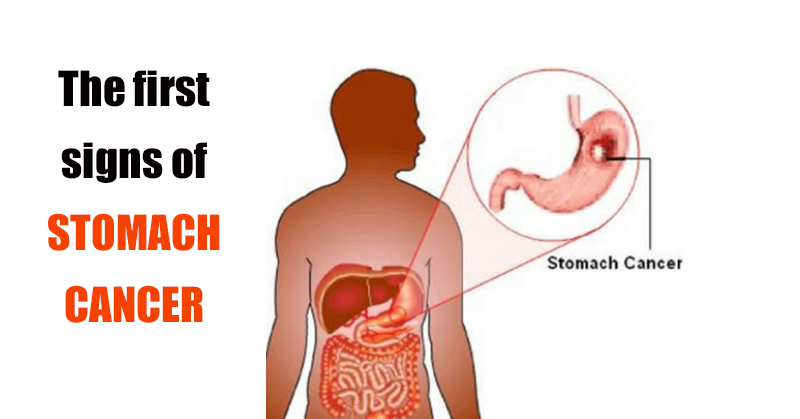
Stomach cancer is a gradually developing and often silent disease that can be challenging to treat, especially once it reaches an advanced stage. Recognizing the symptoms early is crucial to improving the chances of successful treatment and survival.
Despite significant advancements in medicine, a definitive cure for cancer remains elusive. However, recovery rates are highest when stomach cancer is detected early, though early detection can be difficult. Symptoms are often mistaken for other less severe issues, making it essential to stay informed about potential signs and consult a healthcare professional if concerns arise.
What is Stomach Cancer?
Stomach cancer is caused by the uncontrolled growth of abnormal cells within the stomach lining, which can lead to tumor formation in the stomach’s mucosal and muscular layers. The most prevalent form is adenocarcinoma, a type of cancer that begins in the glandular cells of the stomach.
Common Symptoms of Stomach Cancer
Early symptoms of stomach cancer can be subtle, which is why they are often overlooked. Here are some of the most common signs:
- Blood in the stool
- Anemia
- Persistent fatigue
- Irregular bowel movements
- Nausea and vomiting
- Loss of appetite
- Feeling full after consuming small meals
- Ongoing abdominal pain
As these symptoms are non-specific, they are frequently mistaken for other, less serious conditions. However, if these symptoms persist, it’s important to consult a healthcare professional for further evaluation.
Can Stomach Cancer Be Prevented?
While there’s no guaranteed way to prevent stomach cancer, making certain lifestyle choices may reduce the risk:
- Dietary Choices: Avoiding processed and sugary foods, as well as reducing intake of red and grilled meats, can positively impact stomach health. Many health professionals recommend a diet rich in fiber, nutrients, fresh fruits, and vegetables to support overall wellness.
- Turmeric’s Potential Benefits: Turmeric is widely recognized for its health benefits, including properties that may reduce cancer risk. It contains curcumin, a compound that has shown promise in studies for its anti-inflammatory and antioxidant effects.
Boosting the Effectiveness of Turmeric
Turmeric, while beneficial, has low bioavailability, meaning it is not easily absorbed by the body. Combining turmeric with black pepper, ginger, or olive oil can enhance its absorption rate significantly. For instance, black pepper can increase turmeric’s bioavailability by up to 2000%, making it an ideal pairing.
Here’s a simple turmeric mixture that you can incorporate into your diet to boost your immune system and potentially lower cancer risks:
Ingredients:
- ¼ teaspoon of turmeric
- ½ teaspoon of olive oil
- A pinch of black pepper
Preparation and Usage:
Mix the turmeric, olive oil, and black pepper together, and either consume the mixture directly or add it to salads and other dishes. Avoid cooking the mixture at high temperatures to preserve its beneficial properties. Consuming this mixture several times a day may support your immune system and general health.
Final Thoughts
Being aware of the signs of stomach cancer and making healthy lifestyle choices can be powerful tools in promoting wellness and potentially reducing cancer risk. Regular check-ups and maintaining a nutrient-rich diet are simple yet effective ways to support your health. Remember, early detection is key, and taking proactive steps today can make a significant difference in the future.