If the opportunity presented itself, would you take something that wasn’t yours? And would the decision feel different if the target weren’t a person, but a machine? Over the last decade, retailers across the United States have installed tens of thousands of self-checkout kiosks in an effort to reduce labor costs. These automated stations lower staffing needs, yet they also create new challenges—some of them extremely costly. One of the most significant issues is theft. By manipulating system weaknesses, shoppers have found ways to walk out with unpaid items, often through well-known tricks such as the infamous “banana method.”
The Banana Trick
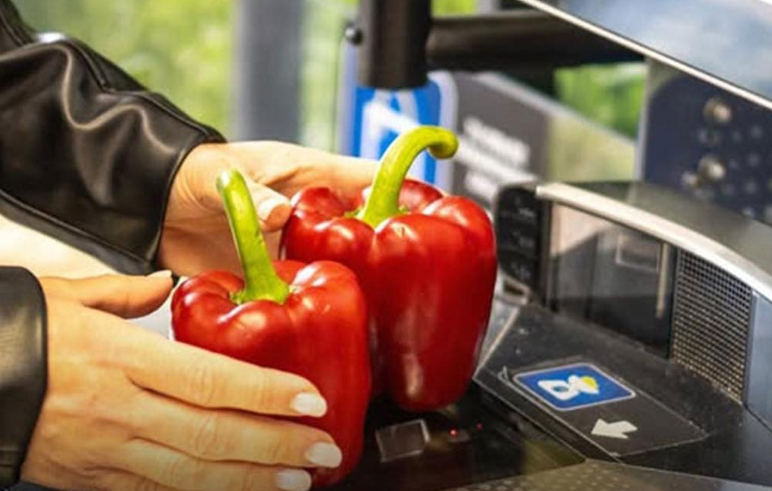
A survey conducted by Voucher Codes Pro, a coupon website, asked 2,634 consumers about their self-checkout habits. Nearly one in five openly admitted to stealing from a self-checkout kiosk at least once. More than half of those who confessed said they believed their chances of getting caught were slim. The methods used to fool the system vary, but several techniques remain common:
-
The Banana Trick
Entering the code for a very cheap item—like a banana—while purchasing a high-priced product. For example, someone might scan a banana code to avoid paying for a costly T-bone steak. -
The Pass Around
Placing an item into a shopping bag without scanning it at all. -
The Switcheroo
Peeling the barcode off a low-priced product and sticking it onto a more expensive one.
The Financial Impact
The consequences of these tactics are far from small. In 2015, criminologists at the University of Leicester examined one million self-checkout transactions over a full year. The total recorded sales amounted to $21 million, yet nearly $850,000 worth of items left the store without being paid for.
Why Do People Steal?
Researchers at Leicester argue that convenience is a major factor. People who normally would not consider stealing experience greater temptation when the opportunity is simple and low-risk. As the researchers noted, “People who traditionally don’t intend to steal [might realize that] … when I buy 20, I can get five for free.” For many, the intention to steal does not exist when they enter the store. The impulse appears only when they reach the self-checkout and notice how easy it is to exploit the system.
Reduced penalties for retail theft also influence behavior. In Dallas, Texas, police stopped routinely responding to thefts below $50, later raising that limit to $100 in 2015.
Morals Matter
Moral reasoning plays a significant role as well. Barbara Staib, director of communications at the National Association for Shoplifting Prevention, believes self-checkout stations make it easier for people to justify dishonest actions. She notes that the machines give a “false impression of anonymity,” which, in her words, “empowers people to shoplift.”
University of Manchester criminologist Shadd Maruna explains this mindset further. He points out that many individuals convince themselves there are no real victims. They tell themselves that no human being is harmed, only a large corporation that can absorb the loss. Some even frame theft as a kind of payback for cost-cutting measures like eliminating cashier positions.
Psychologist Frank Farley of Temple University adds that personality traits also influence these behaviors. He describes many shoplifters as having what he calls “type-T” (thrill-seeking) personalities. According to him, these individuals view theft as a form of stimulation that adds excitement to routine shopping.
Why Retailers Still Use Self-Checkout
Self-checkout machines first appeared more than a decade ago, and at first, customer frustration led some stores to remove them. In recent years, however, retailers have reintroduced them for several reasons. Before the COVID-19 pandemic, low unemployment made hiring difficult. At the same time, traditional retail stores were losing customers to online competition, and many shoppers were becoming increasingly comfortable interacting with machines.
Despite persistent challenges, retailers see financial benefits in keeping self-checkout stations available.
Reducing Theft Through Technology
Many stores previously relied on weight sensors to catch errors, but frequent false alarms frustrated shoppers. Disabling these sensors made the experience smoother—but also made theft easier. As a result, companies have shifted toward more advanced monitoring systems.
NCR Corp, which manufactures Walmart’s self-checkout machines, developed a video-based review system where off-site staff examine short clips of potential mis-scans. Walmart later adopted a sophisticated camera system from Everseen Ltd., designed to track customer movements and compare them with scanned items. When the system detects a mismatch, it automatically pauses the transaction and alerts an employee.
Embracing New Tools
Although self-checkout once faced heavy skepticism, modern technology has significantly improved the experience. Target, for example, now uses self-checkout in all but about 200 of its 1,900 stores. Company representatives have said that roughly one-third of customers prefer these machines. As systems evolve, so do their protections—meaning that tricks like the banana code may soon become far less effective.