It often begins during a peaceful evening, perhaps while brushing your child’s hair after a bath or relaxing together on the couch. Then something catches your eye. A tiny dark speck moving through the strands. It shifts, and your heart drops as your stomach tightens. Instinct takes over, and your mind rushes toward immediate identification. “Is it a tick? Is it a louse? Is it something dangerous?”
In 2026, families spend more time outdoors, and children experience more contact with nature than in previous generations. From school playgrounds to hiking trails, from backyards to weekend getaways, little “hitchhikers” are part of modern parenting. The panic is understandable. Every parent wants immediate clarity.
Before turning to harsh chemicals or racing to urgent care, pause for a moment. Most insects found on the scalp fall into a few categories, and learning their differences can prevent unnecessary worry. This guide provides a clear breakdown of what you might find, why itching develops, and the simplest, safest steps to manage the discovery.
1. The Usual Suspects: Understanding What You Saw
When a bug appears on a child’s scalp, three possibilities account for most cases. Correct identification solves the majority of the problem.
Suspect A: The Head Louse (Pediculosis)
Appearance: Similar in size to a sesame seed, usually tan or pale gray. They have no wings and cannot fly. Their legs are made for clinging to hair, not jumping.
Sign: Look for small teardrop-shaped nits tightly attached to the hair shaft, often behind the ears or near the nape. Nits do not fall away when touched; they remain stuck.
2026 Reality: Some lice strains have grown resistant to older chemical treatments. Physical removal through combing has become the most reliable approach.
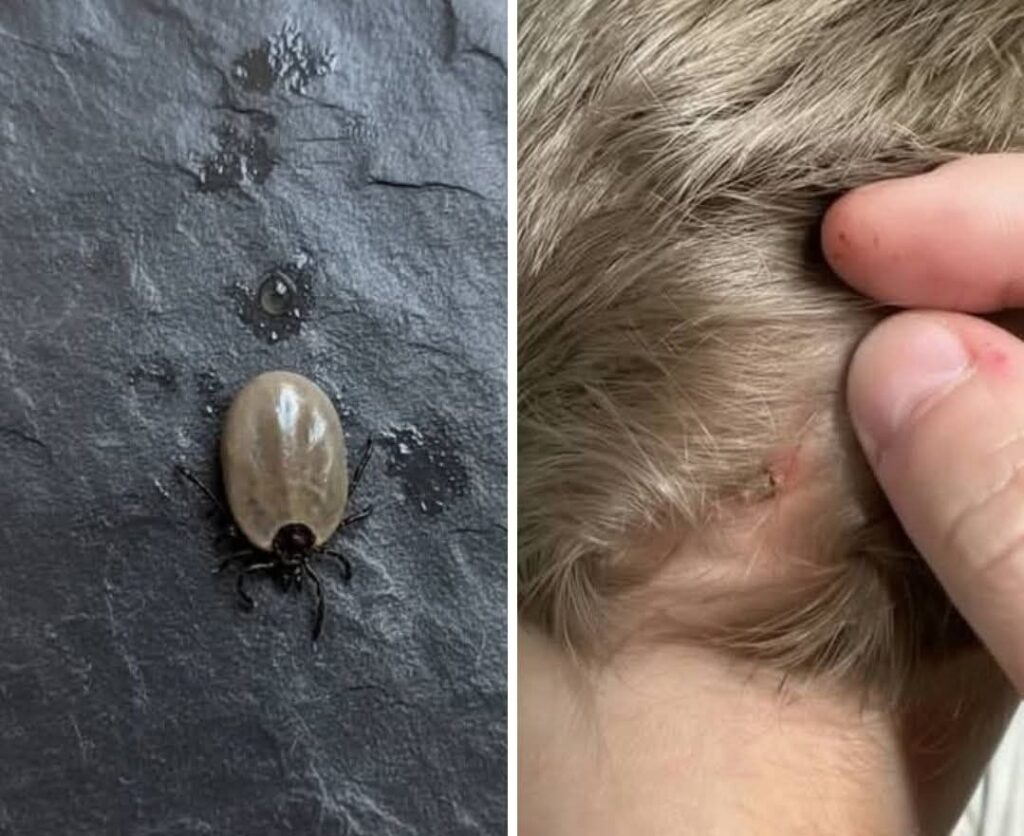
Suspect B: The Tick
Appearance: Flat, oval, and darker in color. A feeding tick may appear swollen, resembling a small grey bean.
Sign: A tick seeks a place to latch onto the skin. If the bug is firmly attached and unmoving, it may be a tick.
Why It Matters: Awareness of Lyme disease and Alpha-gal syndrome is higher than ever. Proper removal with clean tweezers is essential to protect your child’s health.
Suspect C: The Accidental Visitor
Appearance: Sometimes a bed bug or small beetle may end up on the scalp after a child has been resting or playing indoors.
Sign: These insects do not intend to inhabit the scalp. If you find one single bug with no eggs present, it may have wandered there temporarily.
2. The Itching Myth: Why Some Children Feel Nothing
A common misconception is that an itchy head appears immediately.
The irritation does not come from crawling. It develops from sensitivity to saliva, and that reaction can take several weeks to develop. Many children feel no itch at all, even with a full lice infestation. This is why routine checks matter more than waiting for scratching.
3. Treatment in 2026: Safe, Effective, and Calm
There is no need to panic-buy every product in the pharmacy.
For Lice:
“Wet Combing” remains the most reliable method. Thick conditioner immobilizes lice, and a quality metal nit comb removes them. Repeating the process every few days for two weeks clears most cases without exposure to harsh substances.
For Ticks:
Place the tick in a small jar with rubbing alcohol. In 2026, several apps allow you to upload a photo for species identification, helping you decide whether medical attention is necessary.
For the Home:
Lice cannot survive long away from a human scalp. Washing pillowcases and commonly used bedding on high heat is usually enough.
4. The Social Stigma Trap
Finding a bug on your child tends to trigger feelings of embarrassment. This belief needs to change.
Head lice grip onto clean hair most easily. A child with lice is often a child who plays closely with friends. Ticks attach to kids who spend time outdoors. Activity, not hygiene, is the true factor.
5. Nana’s Wisdom: A Bug Is Not a Character Judgment
Nana lived through generations of “scalp surprises.” Her calmness made everything feel manageable.
She used to say, “A bug on a child’s head is like an uninvited seed in the garden. It doesn’t reflect the gardener. It reflects the world outside.”
She believed routine, patience, and a bright light were stronger than fear.
She also relied on her “Tea Tree” tradition—adding a few drops to shampoo each Monday. She said the fresh scent created a natural barrier that many insects avoided.
The Takeaway: From Panic to Confidence
Finding a bug on your child’s scalp feels overwhelming, yet it is a manageable situation.
Identify what you are looking at. Observe whether it moves or attaches. Use the tools you have, and remember that it says nothing about your parenting. It is simply one of those unexpected moments life brings your way.
Have you ever had a scalp scare that turned out harmless, or discovered a remedy that worked wonders for your family?