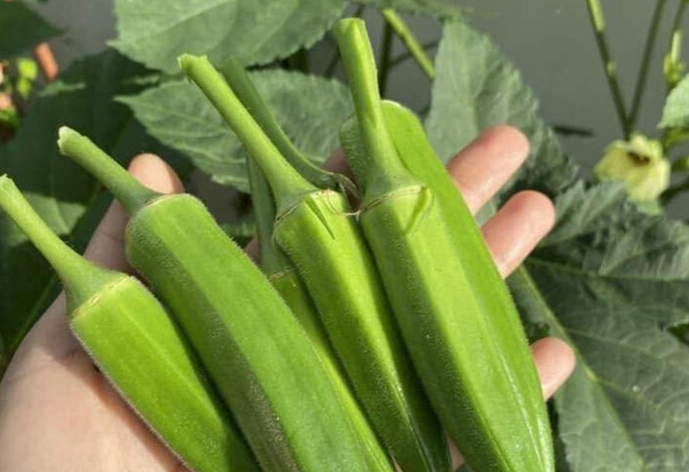
You can nurture vibrant health without expensive supplements or exotic superfoods that dominate wellness trends. Often, the most nourishing choices come from simple, everyday ingredients our grandparents relied on for generations. One such quiet powerhouse is okra, a bright green vegetable brimming with soluble fiber, essential vitamins, and potent natural antioxidants.
When prepared with care, enjoying okra several times a week gently encourages smooth digestion, helps maintain steady blood sugar, supports strong circulation, and contributes to resilient bones and joints. This humble vegetable fits beautifully into most diets, though people with specific health conditions benefit from introducing it mindfully and, when needed, under medical guidance.
Okra stands out for its remarkable ability to promote comfortable, regular digestion. Rich in soluble fiber and its signature soothing mucilage (the gentle gel that forms during cooking), it softens waste and helps everything move through the intestines with ease. Steamed or lightly boiled okra, paired with leafy greens and plenty of water, keeps the digestive system flowing naturally, often reducing the need for harsh laxatives. Many people notice smoother bowel movements within weeks when they include three to four small pods most days.
Among its many strengths, okra shines at helping the body maintain balanced blood sugar levels. The combination of fiber and mucilage slows the release of sugars after meals, preventing sharp spikes that challenge those managing diabetes or prediabetes. Cooking okra (steaming, boiling, or adding it to soups and stews) makes its gifts easier to absorb than drinking raw okra water. Individuals carrying extra weight around the midsection often feel particular benefits when this green pod becomes a regular part of vegetable-rich meals.
The heart also receives meaningful support from okra. Its abundant fiber binds excess cholesterol in the digestive tract and escorts it out of the body, while powerful antioxidants protect blood vessel walls from damage. Together, these actions encourage flexible arteries and healthy circulation. Enjoying okra two to three times weekly, simply steamed or boiled and seasoned lightly with lemon or herbs, delivers noticeable cardiovascular benefits over time.
Immunity finds a faithful friend in okra as well. Packed with vitamin C and protective flavonoids, it fuels the production of infection-fighting white blood cells and helps calm inflammation throughout the body. This makes it especially welcome for older adults, anyone recovering from illness, or those who frequently feel run-down.
Bones and joints gain quiet strength from okra’s generous supply of vitamin K and folate. Vitamin K guides calcium to the skeleton where it belongs, while folate supports ongoing tissue renewal. Postmenopausal women, seniors, and anyone noticing joint stiffness often appreciate the long-term difference regular okra makes. Pairing it with other calcium-rich foods (such as small fish with edible bones, dark leafy greens, or low-fat yogurt) and gentle daily movement like walking amplifies these protective effects even further.
Though okra remains safe and deeply nourishing for most people, a few situations call for gentle caution. Those with a history of calcium-oxalate kidney stones benefit from smaller portions and excellent hydration because okra naturally contains oxalates. Individuals sensitive to fructans (common in IBS) sometimes experience bloating, so starting with tiny amounts helps reveal personal tolerance. People taking blood-thinning medications need consistent vitamin K intake, including from okra, and should discuss changes with their doctor. Anyone managing diabetes with medication monitors glucose carefully when adding more okra to avoid levels dropping too low. In rare cases, latex-allergic individuals may react to similar proteins in okra and should stop immediately if itching or swelling occurs.
Okra never seeks the spotlight, yet its balanced blend of fiber, vitamins, antioxidants, and soothing mucilage quietly nurtures nearly every system in the body. For most adults, especially those over fifty, welcoming this modest green pod to the table several times a week enhances daily energy, eases digestion, protects the heart, and strengthens bones for years to come. Prepare it simply (steamed, boiled, or lightly sautéed with minimal oil and salt) and let its natural goodness shine alongside colorful vegetables, whole grains, and quality proteins.
Simple, affordable, and profoundly supportive, okra gently reminds us that some of the most healing foods have been waiting patiently on our plates all along.