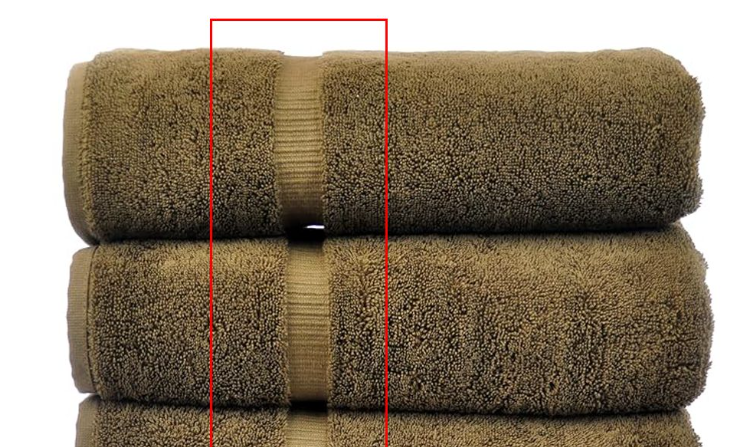
Bath towels are a staple in every household, yet few people pause to consider the intricate details that go into their design. Among these details are the lines that often adorn the surface of bath towels. These lines, which might seem purely decorative at first glance, actually serve specific purposes that enhance the functionality and longevity of the towel. Understanding these lines can lead to a greater appreciation of the craftsmanship involved in towel production.
Understanding the Purpose of Lines on Bath Towels
The lines on bath towels are not merely aesthetic choices made by designers. They are often the result of deliberate weaving techniques that serve multiple purposes. These lines can help with the absorption of water, the structural integrity of the towel, and even the tactile experience of using the towel. By examining the purpose of these lines, we can uncover the thoughtful engineering behind a seemingly simple household item.
Top Reasons for the Lines on Bath Towels
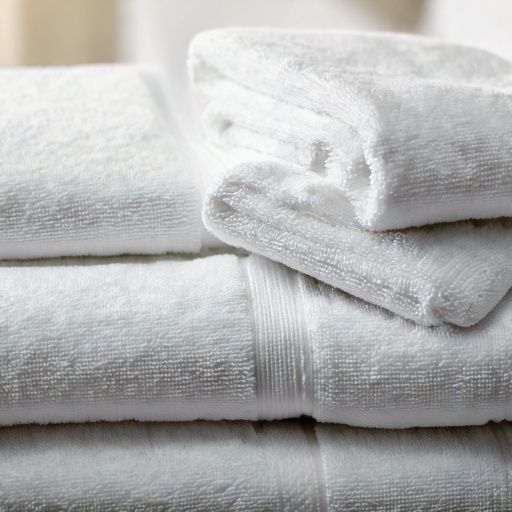
One of the primary reasons for the lines on bath towels is to enhance their absorbency. The lines are often created using a weaving technique that increases the surface area of the towel, allowing it to soak up more water. Additionally, these lines can help with the drying process, as they create channels that facilitate air flow. Another reason is to provide a visual cue for folding and hanging, ensuring the towel maintains its shape and appearance over time.
The Role of Tread Lines in Towel Longevity
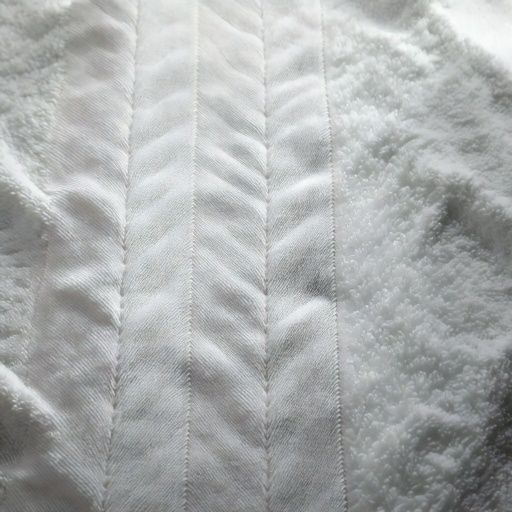
Tread lines, which are the raised lines found on some towels, play a crucial role in the durability of the towel. These lines are typically woven into the fabric using a technique that reinforces the structure of the towel, preventing it from fraying or losing its shape after repeated use and washing. Tread lines also help maintain the towel’s thickness and plush feel, contributing to its longevity.
How Dobby Weave Maintains Towel Structure
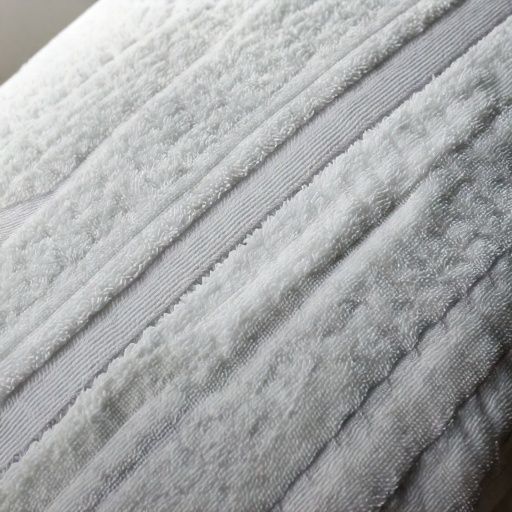
The dobby weave is a common technique used in the production of towels, characterized by small, geometric patterns. This weaving method is responsible for the lines seen on many towels and serves to maintain the towel’s structure. The dobby weave creates a tight, stable fabric that resists stretching and distortion, ensuring the towel retains its original form even after extensive use.
The Functionality of Dobby Borders in Towels
Dobby borders are the decorative bands often found at the ends of towels. While they add an aesthetic element, they also serve a functional purpose. These borders are typically woven more densely than the rest of the towel, providing additional strength to the edges and preventing unraveling. The dobby border acts as a frame, keeping the towel intact and enhancing its overall durability.
Conclusion: Appreciating the Design of Bath Towels
In conclusion, the lines on bath towels are far more than mere decoration. They are the result of sophisticated weaving techniques that enhance the towel’s absorbency, durability, and aesthetic appeal. By understanding the purpose and function of these lines, we can better appreciate the thoughtful design and craftsmanship that goes into creating a high-quality bath towel. The next time you reach for a towel, take a moment to consider the intricate details that make it an essential and enduring part of daily life.