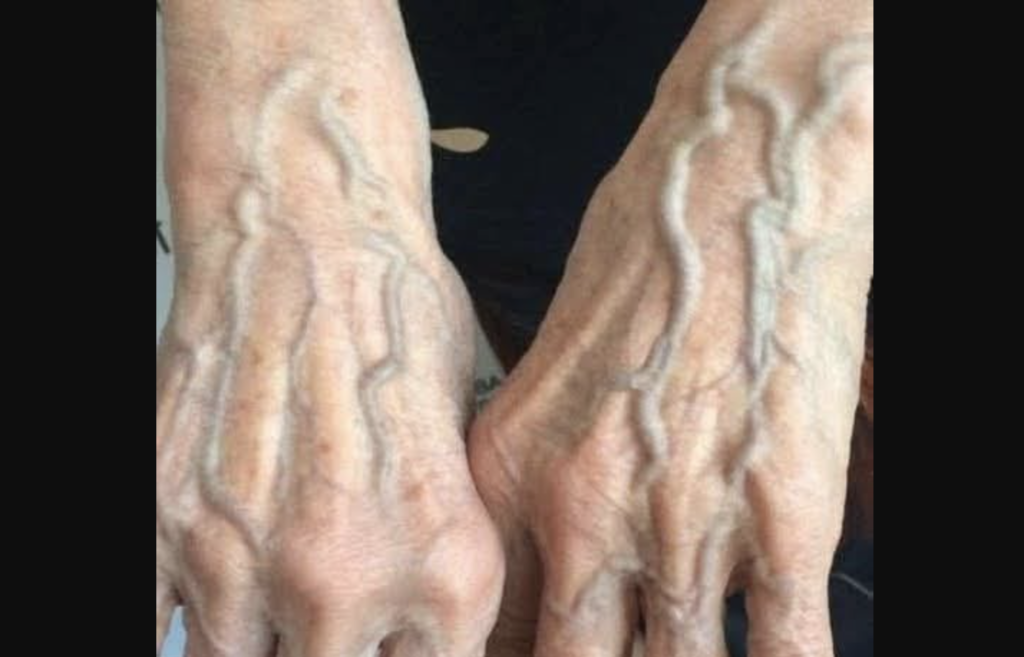
When you glance down at your hands and notice that your veins seem more visible than usual, it can spark a mix of curiosity and concern. Many people wonder whether this sudden prominence signals something serious. In reality, the appearance of visible veins can reflect several aspects of your health, lifestyle, and natural physiology. Some reasons are completely normal, while others may require closer attention.
A common explanation for more visible veins is low body fat paired with increased muscle tone. When the layer of fat beneath your skin becomes thinner, the veins naturally move closer to the surface.
Athletes, bodybuilders, and people who exercise regularly often see this effect, especially if their routines include strength training or consistent cardiovascular activity. As muscle mass increases, the surrounding veins expand to support better blood flow, and this change can make them more noticeable. For many individuals committed to fitness, prominent veins can be an indicator that their hard work is creating recognizable physical changes.
Another frequent cause is increased blood flow or elevated body temperature. When your body warms up—whether during a workout, on a hot day, after a warm shower, or during time spent in a sauna—your blood vessels widen as part of your natural cooling process.
This dilation improves circulation and helps transport oxygen and nutrients more efficiently to your muscles. As a result, veins can appear larger or more defined for a short period. This reaction is a normal part of your circulatory system functioning properly.
Genetics also play an important role in how visible your veins appear. Some individuals naturally have thinner skin, larger veins, or specific traits that make their vein patterns easier to see. If one or both of your parents have visible veins, there is a strong chance you inherited that characteristic. This genetic influence means that prominent veins do not automatically signal a health problem. Instead, they may reflect a natural feature of your body’s unique design.
As time passes, changes in the skin’s structure can also make veins stand out. Aging affects collagen and elasticity, causing the skin to become thinner and more transparent. With less cushioning and density, veins that were once less noticeable may begin to show more clearly.
Even though these changes are normal, many people choose lifestyle habits that support healthier skin, such as staying hydrated, using sunscreen daily, eating nutrient-rich foods, and avoiding prolonged sun exposure. These habits may help maintain skin strength and reduce vein visibility if that is a concern.
There are circumstances, however, where visible veins may signal an underlying circulatory or vascular condition. If the veins in your hands appear swollen, twisted, inflamed, warm to the touch, or painful, it may indicate issues such as varicose veins, chronic venous insufficiency, or, in more serious cases, deep vein thrombosis (DVT).
Symptoms like sudden color changes, uncomfortable pressure, or persistent swelling should never be ignored. Seeking guidance from a healthcare professional ensures that any potential problem can be identified early and treated appropriately.
Despite these possibilities, visible veins in most people are not signs of illness. They are often a reflection of physical fitness, natural genetics, or temporary changes in blood flow. Your veins carry out essential work every moment—moving oxygen, nutrients, and waste through your system—and sometimes their visibility is nothing more than a reminder of the vital job they perform.
However, paying attention to new or sudden changes is a healthy habit. If your veins become painful, look inflamed, or shift dramatically in appearance, consulting a medical expert is always the safest choice.
For many individuals, visible veins are the body’s quiet message:
💪 “You are active, healthy, and keeping your circulation strong.”