We often hear that sleeping at least seven hours each night is essential for good health, yet for many people this goal remains difficult to reach. Stress, irregular schedules, nighttime noise, and persistent insomnia frequently interfere with consistent rest. As a result, large numbers of adults operate on far less sleep than their bodies require. Recent findings from the sleep technology company Simba, which used artificial intelligence to analyze survey data, suggest that ongoing sleep deprivation leaves visible and measurable marks on the body. Specialists now warn that insufficient rest affects far more than energy levels, influencing hormones, skin health, digestion, and overall physical balance.
Hormonal Changes and Stress Response
Simba surveyed 2,175 adults in the United Kingdom, collecting detailed information about their sleep habits, physical health, and appearance. This data was then interpreted by an AI system that illustrated how the body changes when people sleep more or less than the recommended amount. According to Lisa Artis, Deputy CEO of Simba’s charity partner, The Sleep Charity, lack of sleep does not remain hidden beneath the surface.
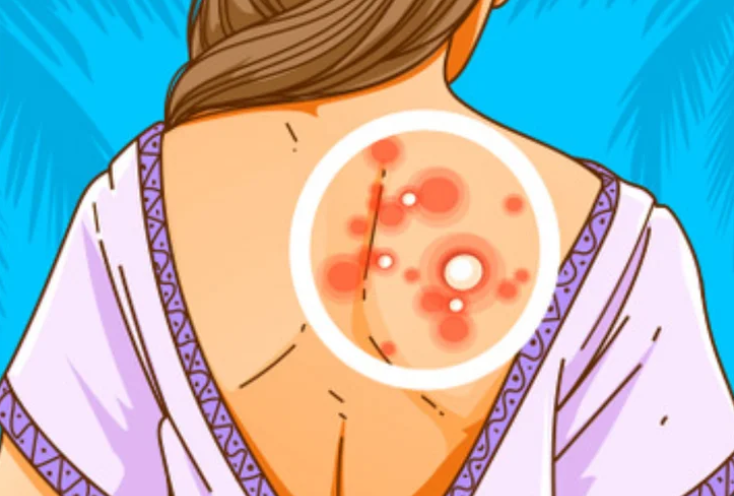
“When sleep is reduced, cortisol levels rise,” Artis explained. Cortisol is commonly known as the stress hormone, and elevated levels are linked to inflammation throughout the body. Increased cortisol can worsen existing skin conditions such as eczema and psoriasis, leading to redness, irritation, and persistent itching. Over time, the body remains in a heightened state of stress, which makes recovery more difficult and places strain on multiple systems.
Visible Effects on the Skin
One of the earliest areas to show signs of sleep deprivation is the skin. Reduced sleep limits blood flow during the night, which can cause the complexion to appear dull and uneven. Artis noted that when the body does not receive enough rest, the skin loses much of its natural vibrancy and glow.
Survey results reflected this pattern. Nearly one-quarter of respondents who slept fewer than seven hours reported increased skin sensitivity. Others experienced flare-ups of eczema, psoriasis, or a consistently tired-looking complexion. During healthy sleep cycles, the skin enters a repair phase in which blood flow increases and damaged cells are restored. Without sufficient rest, these restorative processes remain incomplete, leaving the skin more vulnerable to irritation and premature aging.
Nail Strength and Physical Repair
Sleep deprivation also appears to influence nail health. Around 15 percent of participants with poor sleep reported brittle or weakened nails. Nails rely on the body’s ability to repair and regenerate tissue, processes that occur most efficiently during deep sleep. When rest is repeatedly interrupted or shortened, the body struggles to maintain the strength and resilience of nails, hair, and connective tissue.
Weight Changes and Metabolic Disruption
Another significant effect of poor sleep involves weight regulation. The survey revealed that more than one-quarter of individuals who slept too little were overweight, and nearly one-third reported frequent bloating. According to Artis, this is closely tied to hormonal balance.
During sleep, the body regulates ghrelin and leptin, hormones responsible for hunger and fullness. When sleep is limited, ghrelin levels increase, stimulating appetite, while leptin levels decrease, reducing the sensation of satiety. This imbalance can lead to increased food intake, particularly cravings for sugary or high-calorie foods.
Artis also pointed out that sleep loss may influence how weight is distributed. Hormonal shifts can cause women to store more fat in the hips and thighs, while men may notice increased abdominal fat related to changes in testosterone levels.
Body Temperature and Circulation
Insufficient sleep can interfere with the body’s internal temperature regulation. Many people who sleep poorly report cold hands and feet. Body temperature follows circadian rhythms, and sleep loss disrupts this system. As a result, the body may struggle to maintain stable circulation, leading to discomfort in the extremities.
Digestive Health and Constipation
Sleep quality also plays a role in digestive function. Research examining the link between sleep disturbances and gastrointestinal health found that individuals with a history of poor sleep faced a higher risk of constipation. The digestive system depends on regular rest to maintain normal movement and balance. When sleep is disrupted, these rhythms may slow, contributing to discomfort and irregularity.
How Much Sleep Is Enough?
Sleep needs vary from person to person. The NHS generally recommends between seven and nine hours for healthy adults, though age, health status, and lifestyle all influence individual requirements. Children and teenagers need additional sleep to support growth and development, while newborns may sleep between eight and sixteen hours each day.
Chronic sleep deprivation affects far more than alertness. It influences hormones, appearance, digestion, and overall physical stability. These findings highlight the importance of prioritizing consistent, restorative sleep as a foundation for long-term health and well-being.