If a dog has ever sniffed you in an intimate area, the experience probably left you feeling caught off guard or uncomfortable. That reaction is entirely understandable from a human perspective, but from a dog’s point of view, the behavior is completely natural and firmly grounded in science.
Dogs possess a sense of smell that is estimated to be between ten thousand and one hundred thousand times more sensitive than that of humans. This extraordinary capacity allows them to gather detailed information about other living beings and their surroundings through chemical signals known as pheromones. What feels invasive or inappropriate to us is, for a dog, a primary method of communication and a way of learning about the world around them.
Understanding this behavior more fully helps dog owners respond to it with patience and knowledge rather than confusion or frustration. In this article, you will find a clear explanation of why dogs engage in this behavior, what they are actually searching for, when it falls within the range of normal and when it may signal something worth addressing, and how to manage it in a way that is respectful to both you and your dog.
How the canine nose actually works
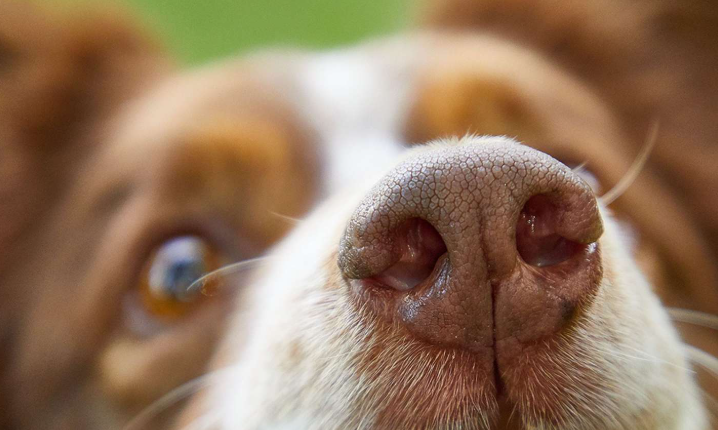
The dog’s sense of smell is its most developed and relied-upon sense. Dogs have approximately three hundred million olfactory receptors in their nasal passages, compared to roughly five million in humans. Their brains are also structured to process chemical information with remarkable depth and precision, enabling them to identify a wide range of biological details about other animals and people, including health status, dietary habits, and emotional states.
Dogs are also capable of detecting pheromones, which are invisible chemical signals that carry information about sex, fertility, mood, and overall physical condition. This is the underlying reason why dogs can detect illnesses, hormonal changes, and even shifts in human emotion. When a dog sniffs an intimate area, it is reading a concentration of chemical data that is simply not perceptible to human senses.
What a dog is actually looking for
Many people assume this behavior has a sexual motivation, but that interpretation misunderstands how dogs process the world. The motivations behind sniffing are biological and social in nature.
Pheromones allow a dog to detect information about hormonal cycles in other animals and even in humans, offering signals related to fertility and reproductive health. The scent of the body also reflects what a person has been eating, how well hydrated they are, and whether any digestive changes are taking place. Dogs are capable of picking up on these details through smell alone.
Beyond physical health, dogs are also reading emotional states. Hormones associated with stress, anxiety, or excitement are detectable through scent, and sniffing is one of the ways dogs assess the emotional condition of the person in front of them. There is also a dimension of identity recognition at work. When a dog sniffs a person, it is reinforcing its recognition of who that individual is, which in turn strengthens the bond between animal and owner and supports the dog’s sense of security.
The instinctive and social roots of this behavior
Sniffing is a behavior deeply embedded in the nature of dogs and in the broader family of canids. In the wild, wolves and other related species use olfactory contact as a primary means of identifying members of their group, establishing social hierarchies, and assessing reproductive status. It functions as a form of chemical language.
Domestic dogs carry this instinct forward and apply it within their interactions with humans. Other animals such as foxes also rely on scent for social recognition and communication. For dogs, sniffing a person is not an anomaly or a sign of poor training in isolation. It is an extension of deep-rooted social behavior that has been part of canine life for thousands of years.
When this behavior is normal and when to pay attention
In most cases, sniffing is entirely within the range of normal behavior. It tends to appear as curiosity-driven exploration with no aggression attached. It is particularly common in younger dogs and in highly sociable breeds. It may occur during play, when a dog is seeking attention, or when meeting someone new for the first time.
There are situations, however, that warrant closer attention. If the sniffing is accompanied by nipping, growling, or any form of aggression, that combination is worth addressing. Behavior that becomes obsessive and cannot be interrupted with a simple command is also a signal that something more is going on. Repeated attempts to mount people alongside persistent sniffing may indicate a need for professional guidance. In these cases, consulting a certified dog trainer or a veterinarian is a sensible step.
How to manage the behavior effectively
Managing this behavior does not require harsh correction. Positive, consistent training is the most effective approach. When a dog begins sniffing in an unwanted way, redirecting its attention toward a toy or a treat is a straightforward technique that works well over time. Rewarding the dog when it responds to a command and moves away from the behavior reinforces the lesson in a way the dog can understand and remember.
Teaching clear verbal commands such as “no” or “enough” and using them consistently builds a reliable response. Physical boundaries can also be helpful in specific situations, such as limiting a dog’s access during private moments or using temporary barriers when needed. Keeping a dog well-bathed and groomed reduces some of the triggers for excessive curiosity. Regular daily exercise and walks are also important, as physical activity reduces overall anxiety and lowers the likelihood of obsessive behaviors developing.
The benefits of understanding this behavior
Taking the time to understand why dogs sniff in this way brings several genuine benefits to the relationship between a dog and its owner. Responding with knowledge rather than alarm prevents unnecessary conflict and strengthens the bond between human and animal. Dogs that are educated from an early age are far less likely to develop unwanted habits that become harder to correct later on. Providing adequate physical exercise and mental stimulation keeps stress levels low and promotes overall wellbeing in the dog.
A few fascinating facts worth knowing
The capabilities of the canine nose extend well beyond social interaction. Dogs have been shown to detect serious illnesses including diabetes and certain forms of cancer through scent alone. Research has documented cases where dogs identified early-stage pregnancies in humans by sensing hormonal changes. Some professionally trained dogs are now used to help identify emotional shifts in people living with anxiety or depression, offering a form of support that relies entirely on the dog’s olfactory intelligence.
A final word
Even when the behavior feels uncomfortable in the moment, sniffing is a natural and scientifically grounded part of how dogs experience the world and connect with the people around them. Understanding it for what it truly is makes it far easier to respond calmly and effectively.
Redirecting attention with positive reinforcement, setting clear and consistent limits, and providing your dog with enough physical activity and mental engagement are the most reliable tools available. These approaches support a living arrangement that works well for both the dog and the people it shares its life with, built on mutual respect and a genuine understanding of canine nature.