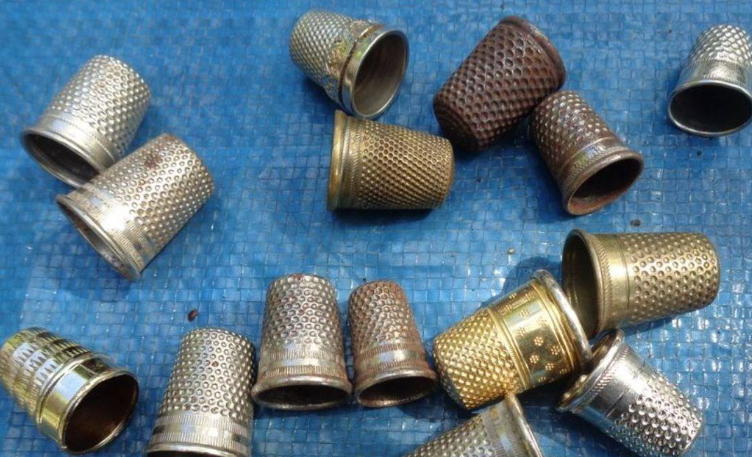
Thimbles may seem like small, unremarkable tools at first glance, but they hold an important place in the world of hand sewing. These protective coverings, usually crafted from metal or plastic, are worn on the fingers—most commonly the middle finger or thumb—to shield the skin from being poked by the needle. When sewing through thick or tightly woven fabrics, a thimble allows the user to apply pressure without discomfort, making each stitch smoother and more controlled.
Modern thimbles come in an array of designs, sizes, and materials. Some are simple and functional, while others are decorated with patterns or textured surfaces that help prevent slipping. Although many people associate thimbles with metal construction today, their earliest forms were made from leather, which offered flexibility and basic protection. The name itself is believed to have evolved from “thumb-bell,” a term describing the bell-shaped cap originally worn on the thumb.
A Glimpse Into Their Long History
Thimbles have been part of human craftsmanship for thousands of years. Archeological discoveries reveal their use in ancient China and the Roman Empire, where they were carved from bone, cast in bronze, or shaped from ivory. These early thimbles were functional tools, yet they also held value within the household.
In Europe during the 16th and 17th centuries, thimbles reached a new level of significance. Wealthy families often commissioned thimbles made from silver or gold, sometimes embellished with engravings or small gemstones. These ornate thimbles were treasured enough to be passed down through generations, symbolizing both utility and status. Their craftsmanship reflected the importance of sewing in daily life and the cultural pride placed on handmade goods.
Why Thimbles Became Essential Sewing Tools
Although their appearance has changed over time, the purpose of a thimble remains consistent. It supports the hand during sewing by offering protection and improving control. Without it, pushing a needle through stubborn fabric can be painful and slow.
Thimbles help in several practical ways:
– They provide pressure for driving a needle through layers of fabric, leather, or denim.
– They reduce the risk of small but painful needle injuries that can occur with repeated stitching.
– They enhance precision and speed by giving the user a stable surface to guide the needle.
Different crafts often require specific thimble styles. Quilters, embroiderers, tailors, and leatherworkers all rely on variations designed to match their particular techniques. For many sewing professionals, a well-fitted thimble becomes a trusted companion during long hours of work.
A Look at the Many Types Available Today
Thimbles now exist in numerous forms to accommodate personal preference and sewing style:
Closed-top thimbles are the classic design, fully covering the fingertip. They are ideal for everyday sewing tasks and offer strong protection.
Open-top thimbles, sometimes called tailor’s thimbles, have an exposed top that provides more flexibility and accommodates longer fingernails. This style is a popular choice for professional garment makers.
Leather thimbles offer softness and comfort. Their gentle texture makes them easy to work with, particularly for beginners or those handling delicate fabrics.
Adjustable ring thimbles resemble small metal rings with grooves designed for side-pushing motions. Quilters often prefer them because they allow a highly customized fit.
Some thimbles combine materials, such as leather models reinforced with metal plates. These are especially useful for repetitive tasks like quilting, where durability is essential.
Materials That Shape Their Function
Thimbles continue to be made from a wide range of materials, each selected for particular strengths:
– Metal varieties, including steel, brass, copper, and silver, remain popular due to their long-lasting durability.
– Plastic and resin thimbles are affordable, lightweight, and suitable for general sewing.
– Leather offers flexibility and comfort, making it ideal for gentle handwork or extended use.
These material differences allow crafters to choose the tool that best fits their needs, whether for occasional home sewing or specialized professional work.
Thimbles may be small, but their impact on sewing practice is significant. They embody centuries of craftsmanship, culture, and practical design. For anyone who sews—whether occasionally or daily—a thimble serves as a reminder that even simple tools can carry deep history and timeless usefulness.